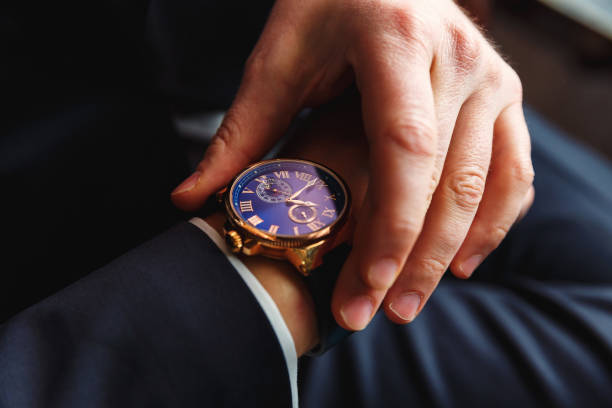
Have you ever looked at several luxury watches and felt stuck because too many of them seemed right at first glance?
That is a common problem, and it often happens when emotion moves faster than logic. A watch can look sharp, feel special, and still turn out to be the wrong fit for your budget, lifestyle, or long-term plans.
That is why serious buyers do not begin with the final purchase. They begin with a clean process. First, they identify what matters most. Then, they remove options that fail to meet those standards. Step by step, the list gets smaller, and the decision gets clearer.
Starting With Purpose
Before buyers compare cases, dials, or movements, they usually ask one simple question: ” Why am I buying this watch? That question shapes every step that follows. A watch for daily wear will not be judged the same way as a watch meant for formal use, milestone gifting, or long-term collecting.
Some buyers want a dependable piece they can wear often. Others want something with stronger emotional value, family meaning, or collector appeal. Once the purpose becomes clear, many choices start falling away on their own. That is important because a smaller pool makes research more focused and less confusing.
Daily Wear Or Special Use
A buyer looking for an everyday watch will often focus on comfort, durability, easy reading, and practical sizing. In contrast, a buyer shopping for occasional use may care more about design details, finishing, or rarity. This is where logic starts doing real work.
For example, a larger case may look bold in photos, yet it may feel heavy during long wear. A dress-focused watch may look elegant, but it may not suit an active routine. So, buyers usually match the watch to real life instead of chasing appearance alone.
This stage is also where many people start to find your perfect watch by filtering choices around use, size, and personal taste rather than reacting to impulse. That shift makes the process much stronger from the start.
Setting A Firm Budget
After purpose, the budget becomes the next filter. This does not mean buyers only look at the price tag. Smart buyers think in full cost terms. That includes the purchase price, future service costs, insurance, possible strap or bracelet changes, and value retention over time.
A firm budget creates discipline. Without it, buyers often drift toward watches that feel exciting in the moment but stretch their finances too far. On the other hand, a realistic price range keeps the search grounded and makes comparisons more honest.
Once the budget is fixed, buyers can focus on value instead of noise. They can ask sharper questions. Is this watch priced fairly for its age and condition? Does it include original accessories? Has it been serviced? Is there visible wear that affects value?
Price Versus Value
Price alone never tells the full story. A lower initial price can look attractive, yet hidden service needs may turn it into a costly choice later. By contrast, a higher-priced example in stronger condition may offer better peace of mind and better long-term value.
Checking Fit And Comfort
A luxury watch can be technically impressive and still fail for one simple reason: it does not feel right on the wrist. That is why fit becomes a major deciding factor once the list starts getting shorter.
Buyers usually look at case diameter, thickness, lug shape, bracelet feel, and overall balance. A watch that seems perfect in photos may sit too high, be too wide, or feel awkward during daily use. Since luxury watches are personal objects, comfort matters more than many first-time buyers expect.
Even visual balance plays a role. Some people prefer a clean and quiet look. Others want more wrist presence. Neither choice is wrong, yet the fit has to support the buyer’s style and comfort at the same time.
Wrist Feel And Wear Time
This stage often separates attractive options from practical ones. Buyers imagine real use. Can this watch be worn for hours without discomfort? Will it work with workwear, casual clothing, and formal settings? Does the dial remain easy to read in different light?
As these questions are answered, the shortlist becomes more realistic. The buyer moves from fantasy to ownership logic, and that is where stronger decisions are made.
Reviewing Condition And Service History
Condition is one of the strongest filters in the buying process. A watch may have visual appeal, but heavy polishing, replaced parts, deep scratches, moisture damage, or missing records can change the equation fast.
Care history matters because luxury watches are mechanical objects that need attention over time. Buyers often ask when the watch was last serviced, who handled the work, and whether the parts remain correct for the piece. Strong records can increase confidence. Weak records can create doubt.
That is one reason service knowledge becomes part of the buying decision, not just an afterthought. A buyer comparing options may think ahead about maintenance standards, parts, and long-term care. In that context, learning about services such as Patek Philippe watch repair can help buyers understand how important expert maintenance is when narrowing serious options.
Red Flags To Remove Early
Buyers often cut watches from their list when they see:
- Missing service details
- Over-polished cases
- Poor-quality replacement parts
- Inconsistent paperwork
- Damage not reflected in the price
These warning signs do not always mean a watch should be rejected at once. Still, they do call for caution, and many buyers would rather move on than take on extra risk.
Final Thoughts
Buyers narrow down luxury watch options by using a calm and structured method. They begin with purpose, set a tight budget, check comfort, review condition, and think about future care. Each step removes weak options and brings the right one closer.

Lynn Martelli is an editor at Readability. She received her MFA in Creative Writing from Antioch University and has worked as an editor for over 10 years. Lynn has edited a wide variety of books, including fiction, non-fiction, memoirs, and more. In her free time, Lynn enjoys reading, writing, and spending time with her family and friends.