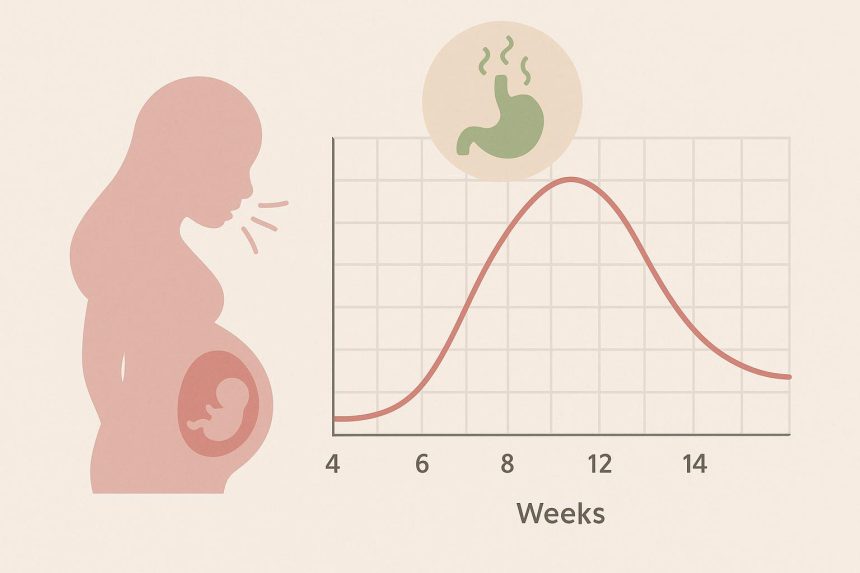
Nausea during pregnancy, commonly referred to as morning sickness, is a common symptom in early pregnancy. It usually starts around weeks 4 to 6 as pregnancy hormones rise and becomes more noticeable around weeks 8 to 9. For most women, symptoms gradually improve by the end of the first trimester (weeks 12 to 14). While it can be uncomfortable, nausea is generally a normal sign of hormonal changes and part of early pregnancy.
For expert guidance and care during pregnancy, women can visit St. Michael’s Elite Hospital for professional support.
What Are The Symptoms of Nausea in Pregnancy?
Pregnancy nausea can vary in intensity from mild queasiness to frequent vomiting. Some women experience symptoms only in the morning, while others may feel nauseous throughout the day.
Common symptoms include:
- Constant queasy feeling
- Vomiting
- Increased sensitivity to smells
- Loss of appetite
- Fatigue or weakness
- Excess saliva or dry mouth
If these symptoms become severe or persistent, don’t hesitate to contact us for professional guidance and support.
When Does Nausea Start in Pregnancy?
Nausea usually begins early in pregnancy due to rising hCG and estrogen levels. Most women notice symptoms between weeks 4 and 6, which may gradually intensify over the next few weeks. While some experience mild discomfort, others may have more noticeable symptoms affecting daily activities. During this time, consulting a healthcare provider at Sugar Land Hospital can help ensure proper care.
How Long Does Nausea Last in Pregnancy?
The duration of pregnancy nausea varies from woman to woman, but most cases follow a general timeline. While many women feel relief after the first trimester, some may experience symptoms for a longer period depending on hormonal changes and individual health factors.
Early Pregnancy (Weeks 4–6)
Nausea often begins between the fourth and sixth week of pregnancy as hormone levels rise quickly. During this stage, many women first notice mild queasiness, sensitivity to smells, or occasional nausea. Symptoms may appear suddenly and can occur at different times throughout the day.
Peak Symptoms (Weeks 8–9)
Morning sickness often becomes stronger around weeks eight to nine. Hormone levels, particularly hCG, reach high levels during this period, which can intensify nausea and vomiting. Many women consider this phase the most uncomfortable part of pregnancy-related nausea.
Improvement in the Second Trimester (Weeks 12–14)
For most women, nausea begins to improve near the end of the first trimester, around weeks 12 to 14. As hormone levels gradually stabilize, the body starts adjusting to pregnancy. Many pregnant women experience noticeable relief once they enter the second trimester.
Nausea That Lasts Longer
In some cases, nausea may continue until weeks 16 to 20 or occasionally throughout the entire pregnancy. Although this is less common, some women may still experience mild nausea during later months. Persistent symptoms should be discussed with a healthcare provider to ensure proper care.
Severe Pregnancy Nausea (Hyperemesis Gravidarum)
A small number of women develop hyperemesis gravidarum, a severe form of pregnancy nausea. This condition causes frequent vomiting, dehydration, and difficulty keeping food down. Medical treatment may be required to manage symptoms and maintain proper nutrition during pregnancy.
What Causes Nausea During Pregnancy?
Pregnancy nausea can occur due to several physical and hormonal changes in the body:
- Hormonal Changes: Rapid increases in hCG and estrogen affect digestion, triggering nausea and vomiting.
- Increased Sense of Smell: Heightened sensitivity to odors like cooking, perfumes, or cleaning products can worsen nausea.
- Low Blood Sugar: Long gaps between meals may cause nausea; small, frequent meals can help.
- Stress and Fatigue: Physical or emotional stress, fatigue, and lack of sleep may intensify nausea.
- Sensitive Digestive System: Slower digestion and relaxed digestive muscles can lead to bloating, acid reflux, and nausea.
How to Treat Nausea During Pregnancy?
Treatment for pregnancy nausea depends on the severity of symptoms and may include:
- Vitamin B6 supplements: Often recommended to help manage mild nausea and reduce queasiness
- Safe anti-nausea medications: Prescribed by a healthcare provider if symptoms persist or worsen
- Stay hydrated: Drink plenty of water and other fluids to prevent dehydration
- Eat light, frequent meals: Small meals throughout the day can help minimize nausea and improve digestion
- Rest and relax: Taking breaks and avoiding overexertion can reduce nausea triggers
- Avoid strong odors: Stay away from smells that worsen nausea, like certain foods or perfumes
- Medical evaluation: Needed in severe or persistent cases to ensure proper care and prevent complications
When to Go to the ER?
Although mild nausea is common during pregnancy, certain symptoms require immediate medical attention.
Seek emergency care if you experience:
- Severe or persistent vomiting
- Inability to keep food or fluids down
- Signs of dehydration, such as dizziness or dark urine
- Weight loss during pregnancy
- Vomiting blood or severe abdominal pain
Prompt medical care can help protect both the mother and the developing baby.

Lynn Martelli is an editor at Readability. She received her MFA in Creative Writing from Antioch University and has worked as an editor for over 10 years. Lynn has edited a wide variety of books, including fiction, non-fiction, memoirs, and more. In her free time, Lynn enjoys reading, writing, and spending time with her family and friends.