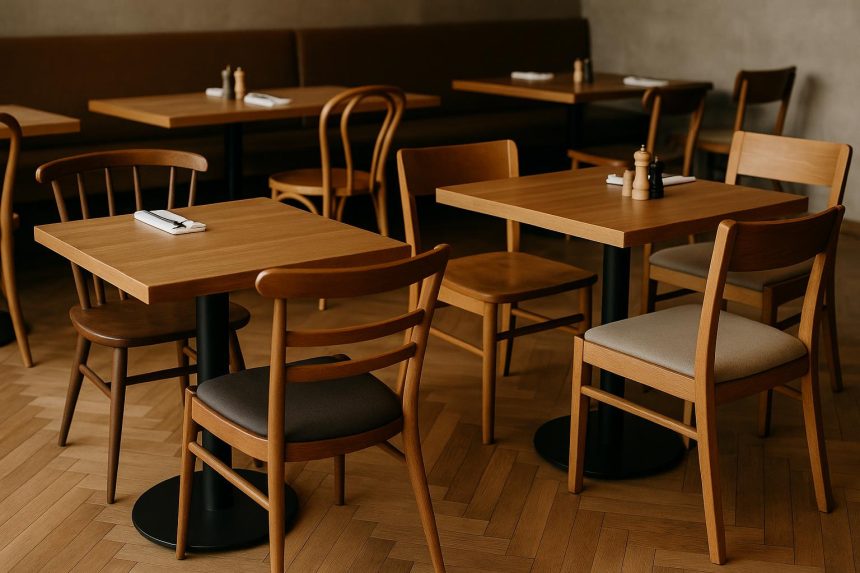
Walk into any dining space, and the first thing your eyes settle on is not always the food, the lighting, or even the people. It is the seating. Premium-quality restaurant chairs quietly shape the way a restaurant feels, how long guests stay, and how comfortable they are while they eat. Yet when it comes to describing those chairs, many people overthink it.
In an industry where clarity matters, especially one projected to reach around $1.5 trillion in annual sales, communication needs to be simple, direct, and useful. Whether you are writing product descriptions, training staff, or explaining options to a client, the goal is not to sound technical. The goal is to be understood instantly.
That is where clear language becomes powerful. Instead of piling on jargon, the best descriptions focus on what people actually notice, feel, and care about.
Start With What People See First
Before anyone sits down, they look. Visual impressions happen fast, often in seconds, and they set expectations for the entire dining experience.
A strong description begins with the obvious details:
- Shape and structure: is the chair sleek, bulky, curved, or straight
- Material: wood, metal, upholstered, or a mix
- Color and finish, natural wood tones, matte black, polished chrome, or textured fabrics
Instead of saying “a contemporary seating solution with ergonomic features,” it is far more effective to say, “a slim black metal chair with a curved back and a smooth seat.” One paints a clear picture. The other sounds impressive but vague.
Clarity here helps both customers and teams align quickly. Everyone knows exactly what is being discussed without needing to decode it.
Focus on How It Feels to Sit
Once the visual is clear, the next question is comfort. Guests may not always describe it out loud, but they feel it immediately.
Think in simple, relatable terms:
- Is the seat firm or cushioned
- Does the back support the posture or encourage relaxed seating
- Is it designed for quick meals or long conversations
A phrase like “slightly padded seat with a supportive back that keeps you upright” communicates far more than technical wording. It tells the reader what to expect in real use.
Restaurants that understand this often see longer dwell times and higher spend per table, simply because guests feel comfortable enough to stay.
Explain the Purpose Without Overthinking It
Every chair serves a role. Some are built for speed and turnover, others for comfort and atmosphere. Describing that purpose clearly avoids confusion.
For example:
- A lightweight metal chair works well in fast-paced environments
- A fully upholstered chair suits longer dining experiences
- Stackable chairs support flexible layouts and easy storage
Instead of using complex phrases, connect the chair to its job. When people understand why a chair exists, they understand its value.
Keep Materials Simple and Familiar
Materials can quickly become overwhelming if described in overly technical terms. Most readers are not looking for manufacturing details. They want to know what the chair is made of and how it behaves.
Simple descriptions work best:
- Solid wood, sturdy and warm in appearance
- Metal frame, durable and easy to maintain
- Upholstered seat, softer and more comfortable
If needed, you can add one layer of detail, but only if it adds meaning. For instance, “solid wood frame with a smooth walnut finish” is clear and useful. There is no need to go further unless the audience requires it.
Use Comparisons People Already Understand
One of the easiest ways to simplify descriptions is by relating them to familiar experiences.
Instead of technical language, try:
- “Feels like a classic café chair.”
- “Similar to what you see in modern bistro.s.”
- “Designed like traditional diner seating, but with a cleaner finish.sh”
These comparisons help people picture the chair instantly without needing to analyze every detail. It reduces friction in communication and speeds up decision-making.
Avoid Words That Sound Impressive but Say Little
In hospitality content, certain words appear often but rarely add clarity. Terms like “premium,” “innovative,” or “high end” can sound appealing, but they do not tell the reader anything specific.
Clear language replaces those words with meaning:
- Instead of “premium build,” say “thick wood frame that feels solid.”
- Instead of “modern design,” say “clean lines with no extra detailing.”
- Instead of “ergonomic,” say “curved back that supports your posture.e”
The more concrete the language, the easier it is for someone to understand and trust what they are reading.
Think About Maintenance and Daily Use
Chairs in commercial spaces are not just about looks. They are used constantly, cleaned frequently, and moved around throughout the day.
Describing how a chair handles daily use adds real value:
- Easy to wipe down surfaces
- Scratch-resistant finishes
- Lightweight enough to move but stable when in use
These details matter to operators far more than decorative language. They speak directly to cost, efficiency, and long-term performance.
Keep Sentences Short and Direct
Even the best description can lose its impact if it is buried in long, complicated sentences. Simplicity in structure is just as important as simplicity in wording.
Short sentences improve clarity:
- “This chair has a solid wood frame.”
- “The seat is lightly padded.”
- “It works well in busy dining rooms.”
Each sentence delivers one idea. That makes it easier to read, easier to scan, and easier to remember.
In a fast-moving industry, that kind of clarity can make a real difference, especially when decisions need to be made quickly.
Match the Tone to the Audience
Not every description needs to sound the same. A designer, a restaurant owner, and a casual reader may all look for different details.
Still, the foundation remains simple language:
- Designers may want a bit more visual detail
- Operators may focus on durability and maintenance
- Customers may care about comfort and appearance
Adjusting tone does not mean adding complexity. It means choosing which details to highlight while keeping the language clean and understandable.
Why Simplicity Wins Every Time
At its core, describing restaurant chairs is not about showing expertise through complicated words. It is about making information accessible.
Clear descriptions:
- Reduce confusion during purchasing decisions
- Help teams communicate faster and more accurately
- Improve customer understanding and expectations
In a competitive hospitality landscape, small improvements in clarity can lead to better decisions, smoother operations, and stronger guest experiences.
Bringing It All Together Without the Noise
Simple language does not mean limited language. It means intentional language. Every word should serve a purpose, helping the reader see, feel, and understand the chair without effort.
When descriptions are clear, they do more than inform. They guide decisions. They build confidence. They make the entire process, from browsing to buying to sitting down, feel effortless.
And in a business where experience is everything, that kind of clarity is not just helpful. It is essential.

Lynn Martelli is an editor at Readability. She received her MFA in Creative Writing from Antioch University and has worked as an editor for over 10 years. Lynn has edited a wide variety of books, including fiction, non-fiction, memoirs, and more. In her free time, Lynn enjoys reading, writing, and spending time with her family and friends.