Stephen Robert is a senior executive, financier, and philanthropist whose charitable efforts focus on improving access to essential resources and healthcare. Based in New York, Stephen Robert previously served as chairman and CEO of Oppenheimer & Co. and later guided Oppenheimer Group, Inc., playing a key role in the firm’s growth and eventual sale to the Canadian Imperial Bank of Commerce. Alongside his wife, Pilar Crespi Robert, he co-founded the Source of Hope Foundation, an organization that assists under-resourced communities around the world in gaining access to clean water, food, and medical care. Through this foundation, the couple supports sustainable development projects, including water access initiatives in Ethiopia. Their broader philanthropic work also includes funding the Stephen Robert and Pilar Crespi Robert Rapid Medical Evaluation Center at Columbia Presbyterian Hospital, which helps improve the efficiency and accessibility of emergency medical care for thousands of patients.
Source of Hope Brings Clean Water to Communities in Ethiopia
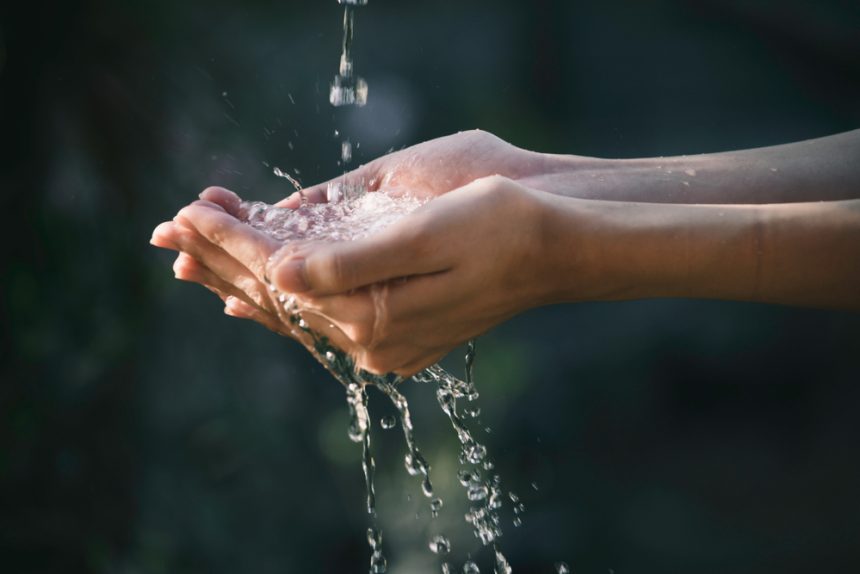
Access to clean water is one of the most basic yet critical components of health and well-being, and for many communities worldwide, it remains a daily struggle. In Ethiopia, where water scarcity and unsafe drinking water continue to affect millions, the work of organizations like the Source of Hope Foundation has made a meaningful difference. By focusing on clean water initiatives, the foundation is helping to improve health, reduce disease, and create opportunities for education and economic growth.
Source of Hope has taken a hands-on approach to addressing water challenges in Ethiopia. The foundation partners with local communities to identify areas most in need and then implements sustainable water solutions. It can include digging wells, installing pumps, and creating filtration systems that provide safe drinking water year-round. The foundation emphasizes not only infrastructure development but also community education on hygiene practices, water conservation, and system maintenance. This dual approach ensures that the benefits are long-lasting and that communities can continue to independently manage and protect their water resources.
Unsafe water is a leading cause of preventable diseases, including diarrhea, cholera, and other waterborne illnesses. For children, contaminated water can contribute to high rates of infant mortality and malnutrition. By providing reliable access to safe water, organizations such as Source of Hope reduce these risks and help children grow healthier and stronger. Families spend less time traveling long distances to collect water, thereby allowing children to attend school and adults to focus on work, thereby strengthening the overall social and economic fabric of communities.
Water projects also have ripple effects beyond immediate health benefits. Access to clean water supports agriculture, enabling small-scale farming that provides food security and income. It can also foster local entrepreneurship, as women and men invest time saved from water collection into small businesses or other productive activities. Communities with dependable water sources often see improvements in school attendance, particularly for girls, who traditionally bear the responsibility of fetching water. This form of social transformation demonstrates that access to clean water is not only a health issue but also a catalyst for broader development.
Source of Hope’s work in Ethiopia aligns with a global understanding that water, sanitation, and hygiene are essential human rights. The United Nations Sustainable Development Goal 6 specifically calls for universal access to safe and affordable drinking water by 2030. Foundations such as Source of Hope contribute to these goals by addressing local needs through culturally sensitive and sustainable solutions. Their efforts underscore that even a small investment in water infrastructure can yield substantial, measurable benefits for entire communities.
Education and local engagement are central to the foundation’s strategy. By teaching community members about water safety, the foundation ensures that the impact of each project extends far beyond its initial construction. Residents gain the skills to maintain systems and to advocate for their health and environmental needs. This approach empowers communities to take ownership of their water resources, creating resilience and sustainability that lasts long after the initial intervention.
In the broader context, the work of Source of Hope illustrates why access to clean water is a cornerstone of development. It is about health, education, economic opportunity, and dignity. In Ethiopia, the foundation’s initiatives demonstrate that providing safe water is not simply a humanitarian effort but a pathway to long-term social and economic growth.
About Stephen Robert
Stephen Robert is a New York based executive and philanthropist who previously served as chairman and CEO of Oppenheimer & Co. and later led Oppenheimer Group, Inc. After decades in finance, he and his wife, Pilar Crespi Robert, focused their efforts on philanthropy through the Source of Hope Foundation. The organization supports underserved communities worldwide by expanding access to clean water, food, medicine, and microfinance opportunities while also supporting healthcare initiatives such as the Rapid Medical Evaluation Center at Columbia Presbyterian Hospital.

Lynn Martelli is an editor at Readability. She received her MFA in Creative Writing from Antioch University and has worked as an editor for over 10 years. Lynn has edited a wide variety of books, including fiction, non-fiction, memoirs, and more. In her free time, Lynn enjoys reading, writing, and spending time with her family and friends.