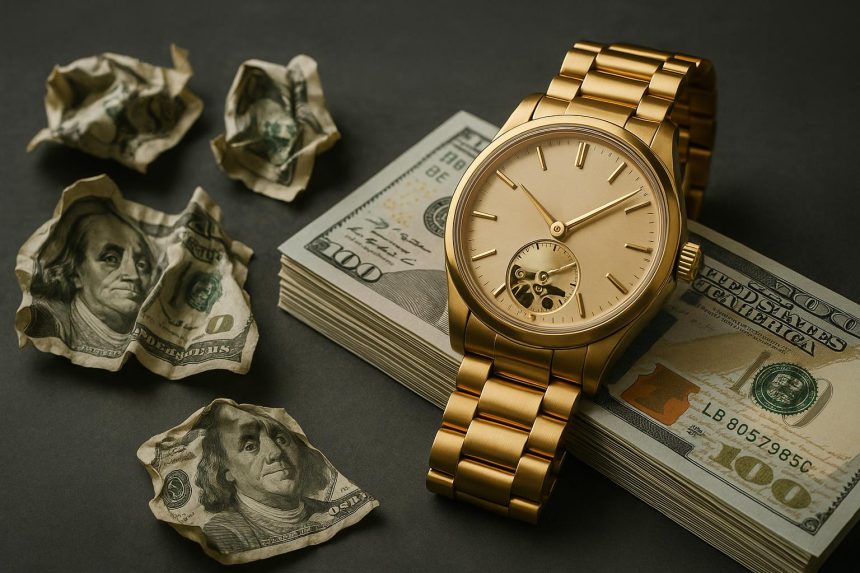
Selling a luxury watch in New York City may seem simple at first. You walk into a buyer’s office, show the watch, and leave with a check. But in reality, the process is often more complex than most people expect, and a small mistake can cost you hundreds or even thousands of dollars without you realizing it. That happens more often than you’d think, especially in a market as competitive as NYC. Whether someone wants to sell Rolex NYC, part with a vintage family watch, or trade a rare collector’s piece, the difference between a smart sale and a disappointing one usually comes down to preparation.
Th e luxury watch industry evolves quickly. The prices keep changing, fashion changes in no time, and buyers are very conscious of certain aspects that others may not even notice. One watch that is common to one person may be extremely valuable to a collector. At the same time, a seemingly perfect watch may turn out to be less valuable due to an artificial spare part or a lack of paperwork.
Failing to Understand the Real Market Value of a Luxury Watch
One of the biggest mistakes sellers make is assuming they already know what their watch is worth. Some people think their watch should sell for close to the retail price because they barely wore it. Others go the opposite direction and accept low offers because they don’t realize how valuable their model has become over time.
The truth is, luxury watch pricing isn’t straightforward. A watch’s resale value depends on several things working together, including:
- Brand reputation
- Model rarity
- Overall condition
- Production year
- Service history
- Original packaging and papers
- Market demand
- Material type
- Limited-edition status
Take Rolex sports models, for example. Stainless steel versions often sell faster and sometimes for more money than gold models. That surprises many first-time sellers because gold sounds more valuable on paper. But collectors usually care more about demand and rarity than raw material value.
Another common mistake is relying on online listings to estimate value. A watch listed for $25,000 doesn’t necessarily sell for that amount. This is just the same as trying to estimate the value of real estate based only on online information. Experienced dealers check completed deals, auction results, and prices offered by other dealers before they buy.
Timing is important, but most people tend to ignore it. There are some watches that get increased popularity during Christmas or New Year holidays, when tax returns are made, or following major events related to the industry. Many watch models see a surge in demand after a celebrity is spotted wearing them.
Rushed sellers almost always end up leaving money on the table. Someone facing an urgent expense may accept the first offer simply to get the process over with. Buyers can sense that urgency immediately. If you want a stronger negotiating position, it helps to:
- Get multiple appraisals
- Research your exact reference number
- Compare recent sales data
- Learn whether the model is discontinued
- Understand current collector trends
- Avoid making emotional decisions
The more informed you are, the harder it becomes for someone to undervalue your watch.
Overlooking Documentation, Condition, and Authentication Standards
Luxury watch buyers in NYC are extremely cautious, and they have good reason to be. The market is filled with counterfeit watches, stolen pieces, aftermarket modifications, and questionable repairs. Because of that, buyers pay attention to every tiny detail. One missing warranty card or replacement bracelet can affect the final offer more than most sellers expect.
A complete watch package usually includes:
- Original box
- Warranty card
- Purchase receipt
- Service records
- Manuals
- Extra bracelet links
- Authentication paperwork
Think of it like selling a car. A vehicle with maintenance records and original paperwork instantly feels more trustworthy than one without any history. Watches work the same way.
Condition also plays a huge role, but this is where many sellers accidentally hurt their own value. For example, some owners polish their watches aggressively before selling them because they think it’ll make the watch look newer. In reality, over-polishing can actually reduce collector appeal. Sharp edges become rounded, factory finishing disappears, and experienced buyers notice immediately.
In the watch world, originality matters a lot. Another expensive mistake involves aftermarket parts. Replacing original dials, bezels, hands, or bracelets with non-factory components can significantly lower resale value. Even if the watch still looks beautiful, collectors often prefer untouched originality over surface perfection.
This becomes especially important for people trying to sell patek philippe watch NYC because high-end collectors are incredibly detail-oriented. A tiny modification that seems harmless to an everyday owner might raise red flags for serious buyers. Authentication standards in NYC are also stricter than many people realize. Professional buyers inspect things like:
- Serial numbers
- Movement condition
- Engravings
- Dial consistency
- Bracelet construction
- Service components
- Water resistance indicators
Covering up any scratches or hidden repairs won’t help, either, because an expert buyer can spot problems within minutes. It’s always easier to be honest about the things you know about the watch. Mention any wear on the timepiece. Let your buyer know whether or not the bracelet was repaired at some point.
Before meeting with a buyer, it’s smart to:
- Organize all paperwork and accessories
- Use authorized service centers only
- Avoid unnecessary polishing
- Take clear, natural photos
- Be upfront about flaws or repairs
Those small steps can make a surprisingly big difference.
Choosing Convenience Over Expertise When Selling
Watch collectors pay more attention to speed than experience, which leads to serious losses. In New York City, there are plenty of options for selling luxury watches. These include pawnshops, jewelry stores, online markets, auctions, private collectors, and other independent retailers. At first sight, they may all seem alike, but the difference lies in the experience of the dealer and payment terms.
Quick cash transactions are a good example of this problem. The process is convenient, but convenience usually costs something. For some customers, time is an important consideration rather than offering the correct market price for their watches. This does not mean that all quick customers offer poor conditions. Online marketplaces bring their own risks, too. While private sales can sometimes earn more money, they also open the door to scams, fake payments, chargebacks, and unsafe in-person meetings. Meeting strangers with a five-figure watch isn’t exactly stress-free.
Another incorrect assumption people make about jewelry purchases is that all jewelry customers understand the finer points of luxury watches. In reality, a generic jewelry retailer would miss important nuances regarding dial variants, collector references, and production limitations. This is where knowledge comes in handy.
For people searching for the best place to sell Rolex, reputation should matter more than flashy advertising or quick promises. A trustworthy buyer will usually provide:
- Clear evaluation methods
- Authentication explanations
- Market-based pricing
- Secure payment options
- Insurance protections
- Verified business history
- Transparent fee structures
Smart purchasers should also be able to articulate how they determine value. It is generally a bad sign when an individual does not wish to discuss the rationale behind pricing.
Professional watch buyers often base offers on:
- Current market demand
- Condition adjustments
- Wholesale vs. retail margins
- Service costs
- Inventory turnover
- Brand popularity
Without that kind of transparency, sellers may not understand why one buyer is willing to offer several thousand dollars more than another. An auction house is always a choice, especially for collectors’ items. However, the majority of first-time sellers do not comprehend the lengthy process that will be involved in the sale.
Consignment deals can also be frustrating. Your watch may sit for months without selling while market demand shifts around it. At the end of the day, the best-selling strategy depends entirely on the watch itself. A vintage Patek Philippe deserves a different approach than a modern Rolex Submariner. Understanding the difference can have a major impact on the final payout.
Conclusion
Selling a luxury watch in NYC isn’t just about finding a buyer and accepting an offer. It’s about understanding the market, knowing what your watch is truly worth, and avoiding the small mistakes that quietly reduce value.
A missing warranty card, a rushed decision, an unnecessary polish job, or an inexperienced buyer can easily cost thousands of dollars. And unfortunately, many sellers don’t realize it until the deal is already done.
The people who get the best results are usually the ones who take their time. They research current market trends, gather multiple opinions, organize documentation, and work with experienced professionals who understand luxury timepieces inside and out.
Luxury watches go beyond being mere accessories; they are collectibles whose worth can be evaluated on the market. Taking time during the selling process, rather than acting in a hurry, can have a significant impact. In the rapidly paced city of New York, information might be considered a seller’s greatest asset.

Lynn Martelli is an editor at Readability. She received her MFA in Creative Writing from Antioch University and has worked as an editor for over 10 years. Lynn has edited a wide variety of books, including fiction, non-fiction, memoirs, and more. In her free time, Lynn enjoys reading, writing, and spending time with her family and friends.