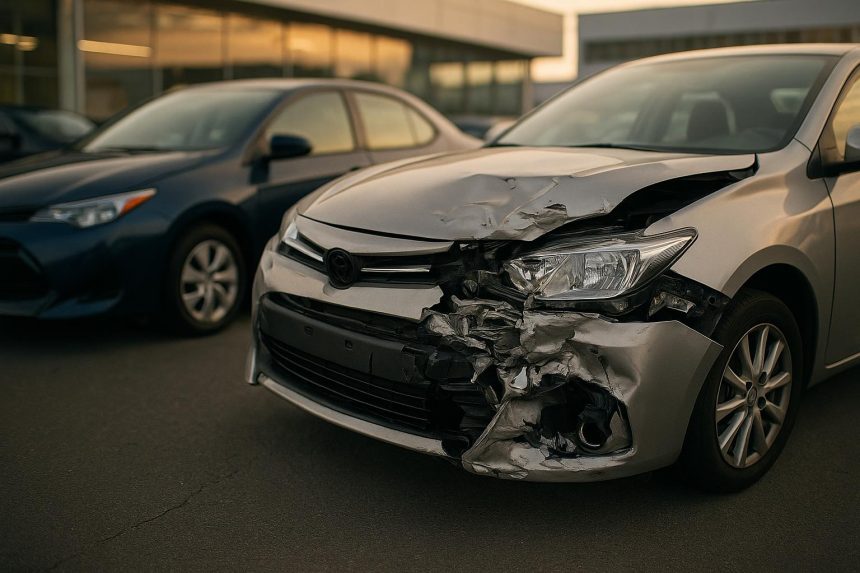
You got into a fender bender. The body shop did great work. The paint matches. The dents are gone. So why does your car still feel like it lost something? It did. It lost money. Even after a full repair, most cars are worth less than before the crash. This drop is called diminished value, and almost nobody talks about it until it is too late.
The Repair Bill Is Only Half the Story
When your car gets fixed, the shop focuses on function and looks. They want the doors to close right and the paint to shine. But buyers care about something else. They care about history. Once your car has an accident on record, it carries that label forever. A clean title with a crash report is simply worth less than one without. This is where a lot of people get stuck. They assume that once repairs are done, the story ends. It does not. If the other driver was at fault, you may have more room to push back than you think.
This is often the point where people search for a Texas car accident lawyer to understand what other losses, beyond the obvious repair costs, they might be able to claim. That can include the difference between your car’s pre-accident value and its value after repairs. Even with quality work, buyers may hesitate when they see the accident history. The loss may never appear on the repair invoice, but it can still affect your finances.
The Paper Trail That Follows Your Car Forever
Every accident gets logged. Vehicle history reports pick it up. Dealerships see it. Even private buyers can pull a report in minutes. So when it comes time to sell or trade in your car, that record speaks louder than your fresh paint job. Think of it like a resume with a gap on it. You can explain the gap all day, but the person reading it still notices. Cars work the same way. Buyers assume something might be hiding under the hood, even when nothing is. That hesitation translates directly into a lower offer. This loss is real, but it is also often overlooked. Most drivers focus so much on medical bills and repair costs that they forget their car’s resale value took a hit too.
The impact can be especially noticeable with newer vehicles, luxury models, or cars that had a strong resale value before the crash. A buyer may compare your repaired vehicle with similar accident-free cars and offer less simply because the history report raises questions.
How to Actually Push Back on the Loss
So what can you do about it? First, get everything documented. Take photos before repairs begin. Keep every estimate, every invoice, and every communication with the shop. This paper trail becomes your evidence later. Next, understand that timing matters. Insurance companies often move fast on repair costs but slow down when it comes to anything extra. If you wait too long to raise the diminished value issue, you may lose your window to file a claim in your state.
Good documentation and clear communication go a long way here. In fact, many of the same habits that help you protect your rights after a collision apply directly to this situation too. Staying organized, following up in writing, and avoiding vague statements to adjusters can make a real difference in what you ultimately recover.
It also helps to get a second opinion on your car’s value. Dealerships, independent appraisers, and even online valuation tools can give you a rough sense of the gap between your car’s pre-accident and post-accident worth. This gives you a number to work with instead of guessing.
When you have that number, compare it with the insurer’s offer rather than accepting the first figure automatically. Ask how they calculated the amount and what comparable vehicles they used. If their valuation seems low, your records and independent evidence give you something concrete to challenge.
When Insurance Says No
Here is the tricky part. Not every insurance policy covers diminished value the same way. Some only pay out if the other driver was clearly at fault. Others cap the payout so low it barely covers anything. And in some states, insurers can deny these claims outright unless you push hard. This is where a lot of people feel stuck. You did everything right. You reported the accident. You got repairs done. And still, the insurer says the value drop is not their problem. Do not take that as the final word. Insurance companies count on people giving up after the first denial. A polite but firm follow-up, backed by documentation, often changes the outcome. If that still does not work, escalating the claim or seeking legal guidance becomes a reasonable next step.
Before accepting a denial, ask the insurer to explain the decision in writing. Knowing exactly why they rejected the claim can help you identify missing evidence, incorrect assumptions, or policy language that may support a reconsideration or appeal.
Small Steps That Make a Big Difference
You do not need to become an expert in insurance law to protect yourself. A few simple habits can make the process smoother. Start by understanding your coverage before anything happens. Many drivers are surprised to learn that basic property damage liability coverage on their policy can play a role in these situations, especially when someone else’s car loses value because of a crash you caused, or when you are trying to understand what the other driver’s policy might owe you. Knowing how this coverage works before you need it saves confusion later.
Also, keep your maintenance records up to date. A well-documented service history can help offset some of the buyer hesitation that comes with an accident report. It will not erase the diminished value entirely, but it can support your case that the car was well cared for. Finally, talk to your insurer early. Ask direct questions about diminished value coverage in your state. Some policies include it. Others do not. Knowing where you stand before an accident happens puts you in a much stronger position if one ever does.
The Bottom Line
A crash does not just cost you time in the body shop. It can quietly cost you money every time you think about selling or trading in your car. Most people never think about this until they are staring at a lower offer than expected.
The good news is that this loss is not automatically something you have to accept. With the right documentation, a clear understanding of your coverage, and a willingness to ask questions, you can push back on the full financial impact of an accident, not just the visible damage. Cars carry stories. Sometimes those stories cost more than we expect. But knowing what to look for, and who to talk to, puts you back in control of the outcome.

Lynn Martelli is an editor at Readability. She received her MFA in Creative Writing from Antioch University and has worked as an editor for over 10 years. Lynn has edited a wide variety of books, including fiction, non-fiction, memoirs, and more. In her free time, Lynn enjoys reading, writing, and spending time with her family and friends.