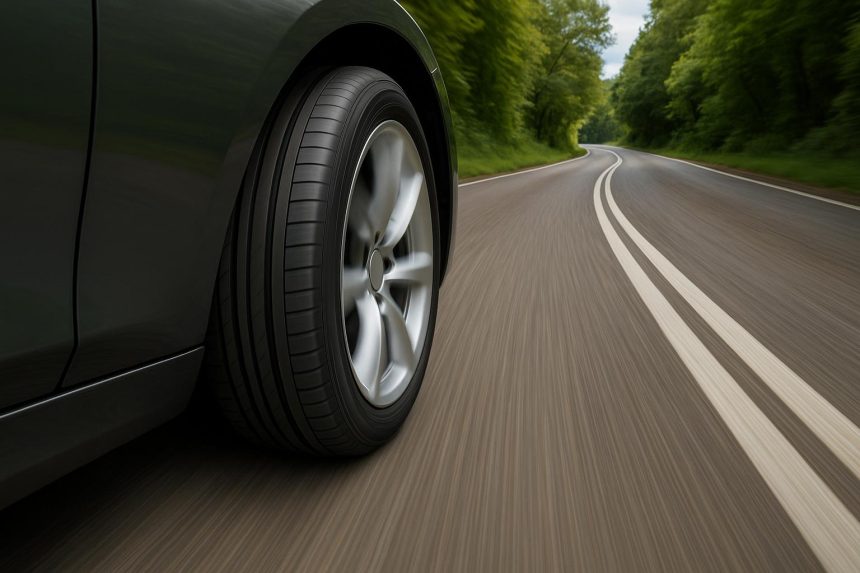
Most drivers never think about tire alignment until something feels wrong. By then, the problem has already crept into their daily routine. The steering wheel pulls slightly to the left. The car drifts when you release your grip. These small annoyances reveal something important. Your connection to the road depends on geometry you cannot see.
Tire alignment affects every moment you spend behind the wheel. It influences how your car responds to your inputs. It determines whether driving feels effortless or exhausting. Understanding this relationship can transform how you experience your daily commute.
The Feeling of Control
Imagine holding a conversation while walking beside someone. Now imagine that same conversation while walking on a tilted surface. You would constantly adjust your balance. Your attention would split between the discussion and your footing. This is what happens when alignment goes wrong.
Properly aligned tires allow your car to travel straight without correction. Your hands rest easy on the wheel. Your mind stays focused on traffic and navigation. The vehicle becomes an extension of your intentions. You turn, and the car turns. You accelerate, and the motion feels direct. This seamless connection creates confidence.
When alignment drifts, that confidence erodes. Drivers often describe a vague sense of unease. They cannot pinpoint the problem. The car still moves. The brakes still work. But something feels off. This psychological burden accumulates over time. Short trips become slightly stressful. Long drives become genuinely tiring.
Safety Lives in the Margins
Highway driving reveals alignment issues most clearly. At higher speeds, small deviations become magnified. A slight pull becomes a persistent tug. Drivers compensate without realizing it. They grip the wheel tighter. They make constant micro-corrections. Their reaction time to genuine emergencies suffers because their attention is already divided.
Consider a sudden obstacle in your lane. A properly aligned car responds instantly to your steering input. The tires grip the pavement at the angles the engineers intended. Your evasive maneuver happens as quickly as your reflexes allow. Nothing interferes with the transfer of your intentions to the road.
Now consider the same scenario with poor alignment. The tires meet the pavement at compromised angles. Your initial steering input produces a slightly delayed response. The car resists your correction before obeying. These delays measure in fractions of a second. Those fractions determine outcomes.
Wet roads amplify these differences. Rain reduces traction for every vehicle. Properly aligned tires maximize the available grip. Misaligned tires waste precious contact. Drivers often blame weather for accidents that actually involve compromised vehicle geometry. The rain simply exposed a weakness that already existed.
The Gradual Shift
Alignment problems rarely announce themselves dramatically. They arrive slowly. A pothole here. A curb strike there. Each impact nudges the geometry slightly. The changes happen so gradually that drivers adapt without awareness. They adjust their grip. They change their seating position. They modify their expectations of how the car should feel.
This adaptation creates a dangerous blind spot. Drivers believe their car handles normally because they have forgotten what normal feels like. Only when they drive a different vehicle do they notice the contrast. The rental car feels stable. Their own car suddenly feels loose. The comparison reveals what routine obscured.
Many drivers begin searching for answers at this point. They type symptoms into search engines. They read forums discussing common problems. Phrases like tire alignment waco appear as they research local solutions. The internet connects them with services that can diagnose their specific situation. But the research phase often comes years after the problem began.
Passenger Perception
Drivers are not the only ones who sense alignment issues. Passengers feel them too. They may not understand the cause. They simply notice that rides feel uncomfortable. Children complain more during long trips. Elderly passengers grip the door handles. Everyone senses the subtle instability even if they lack the vocabulary to describe it.
This affects families in meaningful ways. A car that feels secure becomes the preferred vehicle for road trips. A car that feels unpredictable gets left in the garage when options exist. Alignment influences decisions that drivers never consciously connect to their tires.
The Mental Load of Driving
Modern life demands cognitive resources. We navigate complex schedules. We manage relationships through our phones. We process information constantly. Driving should offer a brief respite. The familiar route to work should require minimal mental effort. The commute should allow our minds to wander productively.
Poor alignment steals this respite. It demands attention that should flow elsewhere. It transforms routine drives into low-grade stress tests. Over months and years, this drain accumulates. Drivers arrive at destinations slightly more depleted than necessary. They attribute their fatigue to traffic or work. The real culprit hides in their wheel geometry.
Proper alignment returns driving to its rightful place. The commute becomes meditation. The road trip becomes adventure. The act of driving shifts from burden to pleasure. This psychological benefit rarely appears in discussions of vehicle maintenance. Yet it may matter more than any other factor.
Trusting Your Vehicle
Trust develops through consistent experience. A car that behaves predictably earns trust. A car that surprises its driver loses trust. Alignment sits at the foundation of this relationship. Every turn confirms or contradicts your expectations. Every highway merge tests whether the car will go where you point it.
Drivers who trust their vehicles make better decisions. They merge with confidence. They navigate unfamiliar roads without anxiety. They respond to emergencies with clear minds. This trust flows from thousands of small moments when the car did exactly what they expected.
Alignment maintains this trust invisibly. When geometry stays correct, drivers never think about it. They simply enjoy the accumulated confidence of reliable response. When geometry drifts, trust erodes in ways that feel personal. Drivers lose faith in their car without understanding why.
Conclusion
Tire alignment shapes your driving experience in ways that transcend mechanics. It influences your perception of safety. It affects your mental state during commutes. It determines whether driving feels like freedom or obligation. These consequences deserve attention even when nothing seems obviously wrong.
The road constantly tests your vehicle. Maintenance preserves your connection to it. That connection deserves protection. Your daily experience depends on angles you cannot see and forces you cannot feel directly. Honoring that invisible relationship keeps driving the pleasure it should be.

Lynn Martelli is an editor at Readability. She received her MFA in Creative Writing from Antioch University and has worked as an editor for over 10 years. Lynn has edited a wide variety of books, including fiction, non-fiction, memoirs, and more. In her free time, Lynn enjoys reading, writing, and spending time with her family and friends.