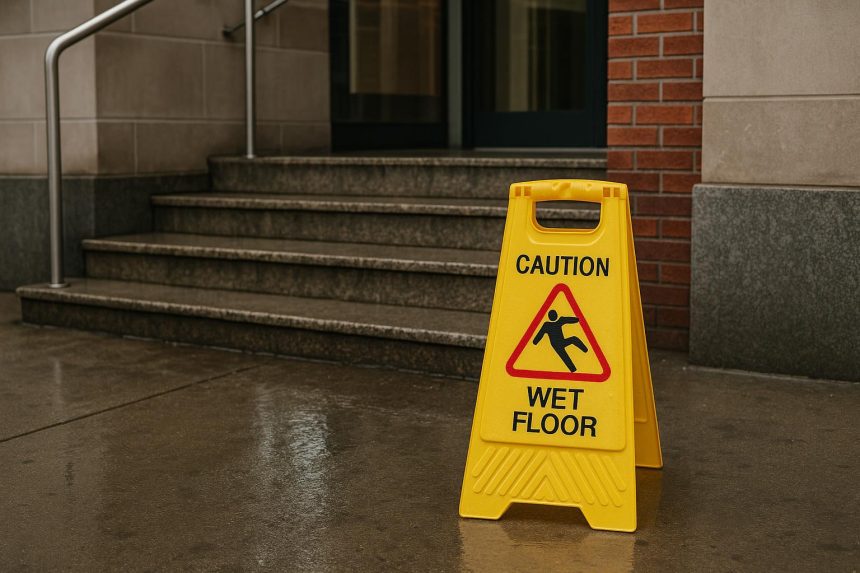
A slip and fall can happen in seconds, but the effects may last for months or even years. If you are injured because of an unsafe property condition, speaking with a slip and fall accident attorney in Springfield can help you understand your legal options and determine whether you may have a claim.
Springfield has a mix of older sidewalks, commercial properties, apartment buildings, public spaces, and areas affected by winter weather. Hazards such as uneven pavement, wet floors, poor lighting, damaged stairs, and untreated ice can lead to serious injuries. When a property owner or another responsible party fails to address a dangerous condition, questions about premises liability may arise.
Understanding Premises Liability
Premises liability generally involves injuries caused by unsafe conditions on someone else’s property. Property owners and others responsible for maintaining premises generally have a duty to use reasonable care to keep the property reasonably safe for lawful visitors.
The details matter in these cases. Simply being injured on another person’s property does not automatically mean the owner is legally responsible. The circumstances surrounding the hazard, how long it existed, and whether the responsible party knew or reasonably should have known about it can all affect a claim.
Defining Negligence in Property Cases
Negligence may involve a property owner or business failing to take reasonable steps to address a known or foreseeable hazard. Examples may include a spill that is not cleaned up, a damaged handrail, inadequate lighting, broken flooring, or snow and ice that have not been properly addressed.
Evidence showing how long the condition existed can be particularly important. Maintenance records, inspection schedules, photographs, witness statements, and security footage may help establish whether the responsible party had a reasonable opportunity to identify and correct the problem.
Why Local Knowledge Matters in Springfield
Claims involving public property can involve different rules from accidents at privately owned businesses or homes. For example, Massachusetts law requires written notice within 30 days for certain injury claims involving defects in public ways. The exact requirements depend on where and how the injury occurred, making it important to identify applicable deadlines early.
Local knowledge can also help when determining which party was responsible for maintaining the area where the accident occurred. Depending on the circumstances, responsibility could involve a property owner, tenant, management company, maintenance contractor, municipality, or another party.
Local Rules and Procedures
A lawyer familiar with Springfield and Massachusetts premises liability cases can investigate the accident, preserve evidence, identify potentially responsible parties, and communicate with insurers.
Local ordinances and property maintenance requirements may also become relevant depending on the location and type of hazard involved. However, violating a maintenance rule does not necessarily determine liability by itself. The complete facts of the accident still need to be considered.
Dealing With the Insurance Company
After a slip and fall, an insurance adjuster may contact you and ask questions about what happened. The insurer may request a recorded statement, medical records, or other information while investigating the claim.
It is important to understand that the insurance company represents its own financial interests. Statements made shortly after an accident may later become part of the claim file, particularly if there is a disagreement about how the fall happened or the extent of the injuries.
Be Careful With Early Statements
Consider speaking with a legal professional before providing a recorded statement or signing documents you do not fully understand. An attorney can communicate with the insurer and help ensure that information about the accident and your injuries is presented accurately.
Insurance companies may also examine whether the injured person contributed to the accident. For this reason, details such as footwear, warning signs, lighting, visibility, and the condition of the walking surface may become important.
Economic and Non-Economic Damages
A serious fall can create financial problems in addition to physical injuries. Medical treatment may include emergency care, diagnostic testing, surgery, medication, rehabilitation, and follow-up appointments.
If an injury prevents someone from working, lost income may also become part of the financial impact. These measurable losses are commonly referred to as economic damages.
Calculating the Full Impact of an Injury
Some losses do not come with a simple receipt or invoice. Depending on the circumstances, an injured person may also experience physical pain, emotional distress, reduced mobility, or difficulty participating in activities they previously enjoyed.
The value of a claim depends on many factors, including the severity of the injury, medical treatment, recovery time, lost income, available evidence, and how the injury affects everyday life.
Planning for Future Medical Needs
Not every slip and fall injury heals quickly. Serious fractures, head injuries, back injuries, and joint damage may require surgery or extended rehabilitation. Some people may also need ongoing medical care or assistance with daily activities.
Before resolving a claim, it can be important to understand the likely long-term effects of the injury. Accepting a settlement before future medical needs are clear could leave an injured person responsible for expenses that arise later.
Evidence Can Make a Major Difference
Strong evidence can help establish what caused a fall and who may have been responsible. If it is safe and physically possible, photographs or video of the hazardous condition should be taken soon after the accident. Conditions can change quickly, especially when the hazard involves water, snow, ice, debris, or a temporary obstruction.
Witness contact information can also be valuable. Someone who saw the accident or noticed the dangerous condition beforehand may be able to provide important information later.
Seeking prompt medical attention is equally important. Some injuries may not produce severe symptoms immediately, and medical records can document the connection between the accident and the treatment that followed.
Preserving Physical and Digital Evidence
Clothing and footwear from the day of the accident may sometimes become relevant evidence, so consider keeping them in their original condition. Nearby businesses or properties may also have surveillance cameras that recorded the incident or the condition of the area before the fall.
Security footage is not always stored indefinitely. Identifying potential video evidence early may improve the chances that it can be preserved before it is automatically deleted or recorded over.
Documenting Your Recovery
Keep copies of medical bills, treatment records, receipts, employment documents, and correspondence related to the accident. Following recommended medical treatment can also provide a clearer record of your recovery.
A personal journal may help document pain levels, physical limitations, missed work, and activities that have become difficult because of the injury. These details can provide context that medical bills alone may not show.
It is also sensible to use caution when discussing an active injury claim on social media. Public posts, photographs, and videos may be reviewed and interpreted in ways that do not reflect the full circumstances of your recovery.
Moving Forward After a Springfield Slip and Fall
A slip and fall claim can involve questions about property maintenance, negligence, medical treatment, insurance coverage, damages, and filing deadlines. The strength of any case depends on its individual facts, which is why preserving evidence and understanding the applicable legal requirements can be important from the beginning.
For Springfield residents injured because of a potentially unsafe property condition, learning about their rights can help them make informed decisions about what to do next. Taking reasonable steps to document the accident, obtain appropriate medical care, and understand available legal options can provide a stronger foundation for pursuing fair compensation when another party may be responsible.

Lynn Martelli is an editor at Readability. She received her MFA in Creative Writing from Antioch University and has worked as an editor for over 10 years. Lynn has edited a wide variety of books, including fiction, non-fiction, memoirs, and more. In her free time, Lynn enjoys reading, writing, and spending time with her family and friends.