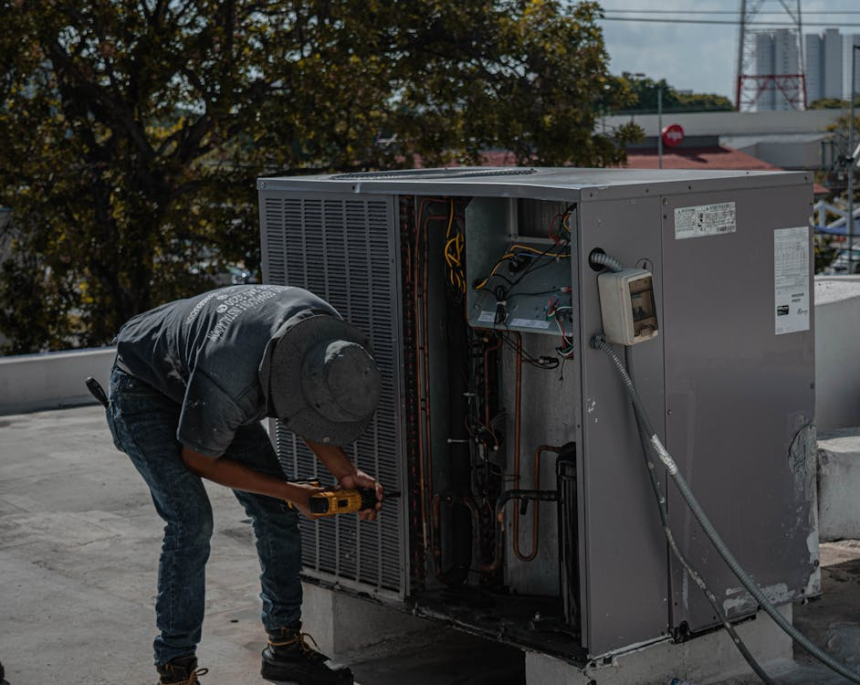
There are 110,000 unfulfilled technician roles every day across the domestic mechanical trade landscape. Naturally, a gap this massive forces contractors to re-evaluate how they deploy their remaining crews. Relying on paper tickets or whiteboards and memory is no longer a viable way to run a service business.
Manual workflows create bottlenecks that cap revenue growth, frustrate field staff, and even alienate homeowners who expect instant service updates.
Companies are adopting digital tools to turn logistical chaos into structured data that optimizes daily schedules.
Eliminating Scheduling Bottlenecks and Dispatch Errors
Manual dispatching slows down response times and leaves service technicians idling between calls. When office staff rely on spreadsheets or paper schedules, tracking technician availability in real time becomes impossible. This lack of visibility leads to double-booked appointments, missed service windows, and excessive drive times across town.
Digital dispatch tools fix this by providing a live view of the entire field workforce.
Smart scheduling software uses location data to match the right technician with the right job based on proximity and skill level. Dispatchers can adjust schedules instantly when emergency calls come in, pushing updates directly to a technician’s mobile device. With this agility, HVAC companies can reduce fuel costs and minimize wear on fleet vehicles.
Accelerating Cash Flow via Digital Invoicing
Slow billing cycles drain working capital and create administrative burdens for growing service companies. Waiting for field technicians to turn in paper invoices at the end of the week delays payment collection and increases billing errors. Implementing a centralized Service Fusion HVAC management system resolves these issues by allowing field technicians to generate accurate invoices and process secure payments right from the job site.
Digital billing tools empower technicians to capture signatures, upload job photos, and email professional receipts before leaving the customer’s property. This eliminates manual data entry back at the home office.
Optimizing Maintenance Contracts
Reactive business models leave mechanical contractors vulnerable to seasonal revenue dips. Transitioning to a proactive service model stabilizes cash flow through structured maintenance agreements.
And as the demand for energy-efficient HVAC solutions rises, keeping complex modern systems running at peak performance requires consistent oversight. Digital operational tools automate the tracking of recurring service agreements so no customer is overlooked.
Contractors who use digital agreement tracking see several operational advantages:
- Automated service reminders eliminate manual customer outreach
- Detailed equipment logs help technicians spot system wear early
- Predictable maintenance schedules fill gaps during slow seasons
Automated Notifications and Customer Experience
Homeowners expect transparency. They want real-time updates, and clear communication from service providers. Vague service windows and unannounced arrivals lead to missed appointments and frustrated clients.
Digital operations platforms solve this by automating customer touchpoints from the initial booking to the final invoice.
Emergencies happen, dispatch backup crews instantly, keep homeowners updated without extra administrative stress. Text notifications alert customers when a technician is en route, noting the technician’s name, photo, and a live tracking map. Clarity here reduces customer anxiety and lowers inbound office calls.
Empowering Field Technicians with Mobile Data Access
Field technicians perform better when they have immediate access to complete job histories and technical documentation. Expecting a technician to diagnose a complex system without knowing its repair history leads to prolonged diagnostic times and lower first-fix rates. Mobile field applications deliver this critical asset directly to smartphones and tablets.
Access job history, technicians diagnose system faults quickly, maximizing daily revenue becomes much easier. Armed with historical data, notes from previous technicians, and equipment manuals, field staff can make informed repair recommendations on site.
Modernizing Mechanical Service Analytics
Relying on gut instinct to make business decisions limits a contractor’s ability to scale effectively. Digital operational tools capture valuable performance metrics that reveal the true health of a service company. Recent market analysis shows that cloud-based field service deployments now claim over 65% of the market share as businesses prioritize data-driven operations.
Analytic dashboards allow business owners to:
- Track technician productivity
- Monitor average job profitability
- Identify which marketing campaigns yield the highest return on investment
Budgeting and business planning are no longer a guessing game. Contractors can use insights like these to optimize pricing strategies and make strategic hiring decisions.
Navigating the Trade Industry Technical Shift
For service businesses aiming to remain competitive, transitioning from analog workflows to digital operational tools is no longer a luxury. It’s a necessity. Centralized management systems significantly improve operations and protect cash flow through fast invoicing.
Explore the website’s business and tech sections for more articles on digital tech and operational efficiency.

Lynn Martelli is an editor at Readability. She received her MFA in Creative Writing from Antioch University and has worked as an editor for over 10 years. Lynn has edited a wide variety of books, including fiction, non-fiction, memoirs, and more. In her free time, Lynn enjoys reading, writing, and spending time with her family and friends.