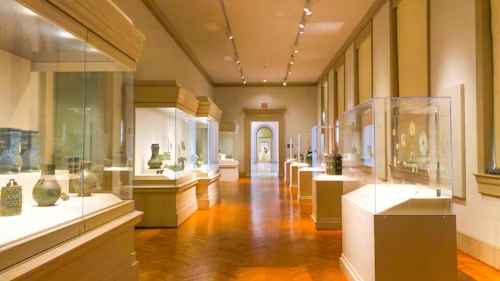
If you’re an avid art collector or you work in a gallery or museum, then you’ll know how essential it is to protect your art between showings. This is especially the case if you’re relocating or you’re moving your pieces to a new premises. Being a collector also means that you may need new pieces transported to your home or gallery.
With this in mind, many people opt to make use of museum display cases to house their fine art once it arrives. However, have you given any thought to how you will wrap or package pieces that don’t travel in cases? This post shares a few expert tips to help you package everything from paintings to artefacts safely.
Proper Packaging Makes All the Difference
Protecting your fine art and precious artefacts during transport can be daunting. Depending on the nature and value of the items you’re moving, a simple cardboard box may not suffice. This is why it’s essential to start your packaging process well in advance.
Proper care and consideration should be given to finding the best packaging materials and media to ensure a safe journey. Here are a few tips that our expert shipping team want you to consider.
- Where Possible, Use Professionals
One of the top tips our team recommends is to opt for a professional packaging service that specialises in packaging fine art and artefacts. These types of professionals have significant expertise in protecting, preserving, and preparing artwork for storage or safe transit, no matter the distance.
More good news is that many of these services make use of tailored packaging solutions that have been designed to keep your unique artwork and artefacts safe and preserved. This is essential if your items can easily be damaged by exposure to humidity or even normal air.
Opting for a reputable packaging service means that you will have access to a range of custom art packaging solutions, which include the following:
- Museum-grade crates: If you’re planning a long-distance trip or an international freight trip, it’s always a good idea to opt for museum-grade crates. These are customised to the size required and are also fully enclosed, and their shock-absorbency ensures that they can handle a long journey.
- Slotted and travel frame crates: For artworks that will be going on tour around the country, our experts recommend durable slotted travel frame crates. These crates are designed for fast and secure access, making it simple for you to safely offload your artwork at each stop.
- Stillages: If you need to move an unusually shaped piece of artwork, then your professional packaging service will recommend using one or more stillages. This usually refers to a custom-designed storage unit that resembles a pallet. Designed with a protective cage or sides, a stillage can securely transport any-sized item.
- Soft packing: This refers to packaging designed specifically for framed pieces or artefacts that require minimal handling. This type of packaging is ideal if you’re moving your artwork locally, where there won’t be a lot of moving the item and repacking onto different trucks or planes. That means, if you’re moving your artwork down the road, this option is worth considering.
- Always Opt for Sturdy Backing Boards
If you’re going to be moving your artwork yourself, you may not see the need for a professional packaging service. If this is the case, our experts recommend following a few tips to ensure that your artwork and artefacts remain safe.
In this instance, the first tip is to ensure that only quality packaging material is used. This includes opting for sturdy backing boards to keep painted pieces from bending. Always opt for solutions made of chipboard for additional support.
- Invest in Durable and Appropriate Packaging Material
The next step is to opt for durable packing paper, foam spacers, bubble wrap, and any other filling material that will prevent your artwork from getting damaged. It’s essential to check that your preferred packaging material is safe to use on your specific artwork or artefact.
The last thing you need is to have your artwork ruined by the packaging material. It’s also essential to label all your packages. Be sure to add your address and contact numbers. This will ensure that any misplaced pieces can find their way back to you.
Our experts also advise you to add protective stickers to the outside of your packages. Common examples of these include options that read, “FRAGILE”, “DO NOT BEND”, or “CONTAINS GLASS”. Where possible, always have an employee accompany the artwork on local transports to ensure safe handling.
Final Thoughts
Moving your artwork can be stressful, especially since many things can go wrong in the transit process. With this in mind, experts recommend using a professional art packaging service to package all your artwork.
Tailored packaging solutions such as crates and specially designed cases are often used to ensure that delicate or highly valuable pieces are moved safely and securely. Using a professional service ensures that your artwork has an extra layer of protection during the journey. It’s as simple as getting a quote for your custom packaging solution!

Lynn Martelli is an editor at Readability. She received her MFA in Creative Writing from Antioch University and has worked as an editor for over 10 years. Lynn has edited a wide variety of books, including fiction, non-fiction, memoirs, and more. In her free time, Lynn enjoys reading, writing, and spending time with her family and friends.