Staying active is vital for overall health, even for people with chronic respiratory conditions, such as asthma, chronic obstructive pulmonary disease (COPD), pulmonary fibrosis, and long-term breathing issues after illness or medical treatment. If you’re battling a chronic respiratory condition, this guide provides essential tips on how you can exercise safely without compromising your health and well-being.
Start With Medical Guidance
Before starting a new exercise routine or changing an existing one, it’s imperative that you consult your healthcare provider. A basic medical review typically includes breathing tests, heart health screenings, and an inspection of medications. This step can help set safe limits and identify symptoms that shouldn’t be ignored during physical activity.
For individuals managing serious diagnoses like lung cancer, medical guidance is especially important. Some patients may also be navigating legal or financial concerns at the same time, often with the help of a lung cancer lawyer.
Choose Activities that Support Breathing
Low- to moderate-intensity activities are often the best place to begin. Exercises like walking, stationary cycling, swimming, or using an elliptical machine allow you to move at your own pace while keeping your breathing under control. These options can also improve endurance without placing too much strain on your joints and lungs.
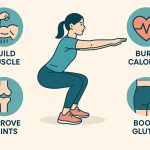
Strength training can also be helpful when done thoughtfully. Utilizing lighter weights and focusing on controlled, slow movements helps build muscle safely. Be mindful of your breathing, exhale during effort, and avoid holding your breath. Stretching and gentle yoga can further improve flexibility and posture, which may help make breathing feel easier and more comfortable.
Pay Attention to Your Body
Listening to your body is key when exercising with a respiratory condition. If you notice persistent shortness of breath, wheezing, dizziness, chest discomfort, or fatigue that doesn’t improve with rest, it’s time to slow down or stop. Simple tools like a heart-rate monitor or perceived exertion scale can help you stay within safe limits.
It’s also important to pace yourself and gradually increase intensity rather than pushing too hard too quickly. Taking regular breaks, staying well hydrated, and choosing activities that allow you to efficiently control your breathing can significantly help reduce strain.
Get Support When Needed
Supervised exercise programs, including pulmonary rehabilitation or physical therapy, can be especially helpful for those with more advanced breathing limitations. These programs offer structured workouts, breathing techniques, and close monitoring, making it easier to build strength and confidence safely.
When healthcare providers collaborate, exercise plans tend to be more effective. Coordination between pulmonologists, physical therapists, and orthopedic specialists ensures that both lung function and joint health are taken into account.
Endnote
Living with a chronic respiratory condition doesn’t mean giving up on physical activity. The goal isn’t to push through discomfort, but to develop a routine that supports long-term health and independence.
With proper guidance, awareness of warning signs, and realistic expectations, exercise can become a safe and rewarding part of daily life, helping you feel stronger, move comfortably, and stay engaged in the activities that you genuinely enjoy.

Lynn Martelli is an editor at Readability. She received her MFA in Creative Writing from Antioch University and has worked as an editor for over 10 years. Lynn has edited a wide variety of books, including fiction, non-fiction, memoirs, and more. In her free time, Lynn enjoys reading, writing, and spending time with her family and friends.