Imagine walking into a pharmacy to buy medicine. You expect safety, quality, and effectiveness. You trust that what is on the label is exactly what is inside the bottle. Now, apply that same logic to vaping. When you inhale vapor into your lungs, the quality of that device and the e-liquid inside it matters immensely.
Unfortunately, as vaping has grown in popularity, so has a shadowy marketplace of counterfeit devices. These aren’t just cheaper knock-offs, but also unregulated, untested, and potentially dangerous imitations. While saving a few dollars might seem appealing at the checkout, the long-term cost to your well-being isn’t worth it.
In this guide, we will dive deep into why choosing authentic vape products is non-negotiable for your safety. We will explore the hidden dangers lurking in fake devices and give you practical tools on how to spot counterfeit vapes so you never get duped.
The Reality of the Counterfeit Market
The counterfeit vape market is massive. Because popular disposable vapes and e-liquids are in high demand, bad actors rush to produce look-alikes that bypass all safety regulations. These manufacturers do not care about your experience or your health; they care about quick profits.
When you buy a fake, you aren’t just getting a lower-quality experience. You are effectively stepping outside the safety net created by industry standards and government regulations. Authentic manufacturers spend millions on research, development, and compliance. Counterfeiters spend money on copying the box.
The Serious Health Risks of Fake Vapes
The biggest issue with counterfeits isn’t that they might stop working; it’s that they can actively harm you. The health risks of fake vapes are documented and severe, ranging from chemical exposure to physical injury.
Mystery Ingredients and Chemical Contaminants
Authentic e-liquids are made in clean, controlled environments (often ISO-certified labs) using food-grade ingredients: Propylene Glycol (PG), Vegetable Glycerin (VG), nicotine, and flavorings.
Counterfeit labs are often dirty, unsterilized basements or warehouses. To cut costs, fake vapes may contain:
- Heavy Metals: Cheap heating elements can leach lead, nickel, and chromium into the vapor you inhale.
- Pesticides: Since they don’t use pharmaceutical-grade nicotine, the extraction process can leave behind harmful agricultural chemicals.
- Vitamin E Acetate: This thickening agent was linked to serious lung injuries (EVALI) in the past. While banned in legitimate products, illegal manufacturers may still use it.
- Unknown Fillers: Without oversight, there is no way to know what liquid is actually in the tank.
Dangerous Hardware and Battery Malfunctions
Authentic vape manufacturers use high-quality lithium-ion batteries with built-in safety protections. These chips prevent the device from overheating, short-circuiting, or overcharging.
Fake vapes typically use rejected or low-quality batteries to save money. They often lack the essential safety chips that regulate power output. This drastically increases the risk of the device overheating in your hand, catching fire in your pocket, or even exploding during use. When you buy authentic vape products, you are paying for the safety mechanisms that prevent these disasters.
Inconsistent Nicotine Levels
Authentic products state their nicotine strength clearly (e.g., 20mg or 50mg), and you can trust that accuracy. Counterfeit products often have wildly inconsistent nicotine levels. One puff might deliver nothing, while the next delivers a toxic dose that can cause nausea, headaches, and a rapid heart rate.
The Benefits of Choosing Authentic Vape Products
Choosing genuine products isn’t just about avoiding the bad; it’s about ensuring a consistent, enjoyable, and safer experience.
Rigorous Testing and Quality Control
Legitimate brands—like those found in reputable vape shops—are subject to strict regulations depending on their region (such as the PMTA process in the USA or TPD compliance in Europe). This means their devices undergo rigorous testing for emissions, electrical safety, and ingredient purity.
When you hold an authentic device, you know that the materials used (plastics, metals, cotton wicks) are heat-resistant and safe for inhalation.
Innovation and Experience
Authentic brands invest heavily in technology to improve your experience. For example, reputable brands develop leak-proof technologies (like “Juicy Lock” systems) and advanced mesh coils that deliver smooth flavor without burning. Fake devices often use outdated technology that results in burnt hits, leaking e-liquid, and poor battery life.
How to Spot Counterfeit Vapes Before You Buy
The counterfeiters are getting better at copying packaging, but they usually miss the details. If you know what to look for, you can protect yourself. Here is how to spot counterfeit vapes like a pro.
Commonly Counterfeited Vape Brands and Their Warning Signs
Some vape brands are so popular that they frequently become targets for counterfeiters. Here are some of the most counterfeited brands—along with what makes them appealing to fakers and which red flags to watch out for:
- Elf Bar: One of the world’s most popular disposable vape brands. Counterfeits typically have blurry text, spelling errors, or lack a security code on the packaging.
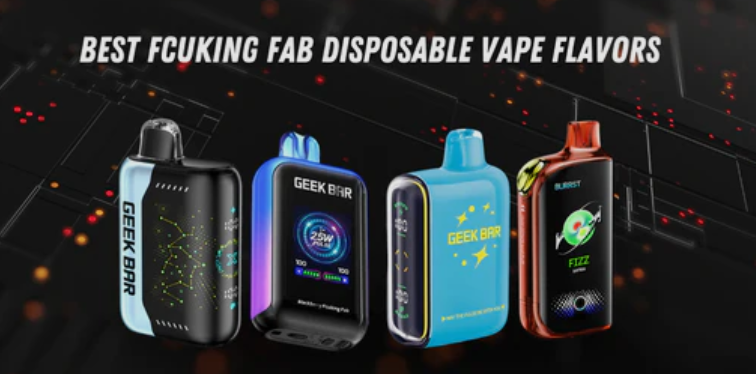
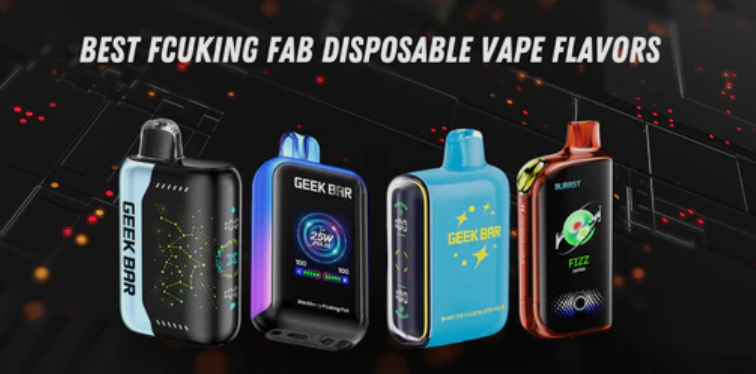
- Geek Bar: Known for high quality and diverse flavors, Geek Bar fakes may contain poor batteries, causing overheating or leaks.
- Juul: Extremely popular in the U.S. for its compact size and nicotine delivery. Fake Juul devices are often suspiciously cheap and miss official authentication features
- Nexa Vape: High-end products like the Nexa Ultra II 50000 and Nexa Pix 35000 are targeted because of their unique transparent tanks and large puff counts. Fakes may lack leak-proof technology (like Juicy Lock), leading to leaking or poor flavor.

- HQD: Popular worldwide, especially in Asia and the Middle East. Counterfeits may have short battery life, and their packaging colors or fonts might differ slightly from authentic products.
- Voopoo: Advanced tech and stylish design, especially the Drag series, make Voopoo fakes appealing. Watch for missing chip technologies or unstable performance.
- SMOK: As a veteran in the industry, SMOK devices and accessories are widely counterfeited. Imitations may lack scratch-and-check security codes and feel flimsier in hand.
These brands are all targeted because of their reputation for reliability and the strong market demand for their products, making them profitable for illegal copycats.
1. Verify the Authenticity Code
Most reputable vape brands (such as Nexa, Elf Bar, Geek Bar, etc.) include a security label on their packaging. This label usually features:
- A holographic strip
- A scratch-off section revealing a unique code
- A QR code
Action Step: Always scratch off the code and verify it on the manufacturer’s official website before you open the device. If the website says the code has been checked hundreds of times before, it is likely a fake.
2. Check the Packaging Quality
Authentic brands pride themselves on premium presentation. Look for:
- Pixelated or blurry text: Fakes often scan the original box, leading to fuzzy print.
- Spelling errors: Typos in the instructions or ingredients list are a huge red flag.
- Color discrepancies: The shade of the box might look slightly “washed out” compared to the original.
3. The “Too Good to Be True” Price Test
If a device normally costs $25 and you see it for $10 at a gas station or a flea market, walk away. Margins in the vape industry are relatively tight. A massive price drop usually means the seller bought counterfeit stock for pennies on the dollar.
4. Inspect the Device Quality
Once you open the box (if you’ve already bought it), check the build quality.
- Does the device rattle when you shake it?
- Is the airflow hole misaligned?
- Does the LED light look dim or the wrong color?
- Does the flavor taste “off,” chemical, or burnt immediately?
If you notice any of these signs, stop using the device immediately and dispose of it properly.
Where to Buy Genuine Devices
The safest way to ensure you are buying authentic vape products is to choose your retailer carefully.
- Official Brand Websites: Buying directly from the manufacturer is the safest option. However, most of the official websites don’t sell their products directly.
- Authorized Distributors: reputable online vape stores will often list their authorized status. Like Nexa Vapes, you can buy from nexa-vapes.com. It is the authorized distributor.
- Established Local Vape Shops: Dedicated vape shops have a reputation to protect. They generally vet their suppliers strictly. Avoid buying vapes from untrusted sources like social media marketplaces, unauthorized convenience stores, or street vendors.
Conclusion
Your health is not something to gamble with. The health risks of fake vapes—from exploding batteries to inhaling heavy metals—are real and dangerous. While the lower price tag of a knock-off might be tempting, it comes at the cost of safety standards, quality control, and peace of mind.
By taking a few seconds to verify your device and ensuring you only purchase authentic vape products, you can protect yourself. Always check the code, watch the price, and buy from trusted sources. Safe vaping is smart vaping.

Lynn Martelli is an editor at Readability. She received her MFA in Creative Writing from Antioch University and has worked as an editor for over 10 years. Lynn has edited a wide variety of books, including fiction, non-fiction, memoirs, and more. In her free time, Lynn enjoys reading, writing, and spending time with her family and friends.