Anxiety is a common yet deeply personal experience. While symptoms may look similar from the outside, the triggers behind them are often unique to each person. In NSW, the expansion of telehealth clinics has made mental health support more accessible, particularly for those who find traditional face-to-face appointments difficult. These digital consultations provide a flexible, private setting to explore the roots of anxiety in a way that respects your pace and comfort level.
At Horizon Health, we understand how important it is to feel safe when talking about mental wellbeing. Many people now choose to book telehealth appointments because they offer greater emotional ease and remove the pressures of commuting or sitting in a crowded waiting room. But how do telehealth clinics actually help patients explore anxiety triggers, and can this format really provide effective support?
Recognising Anxiety Triggers
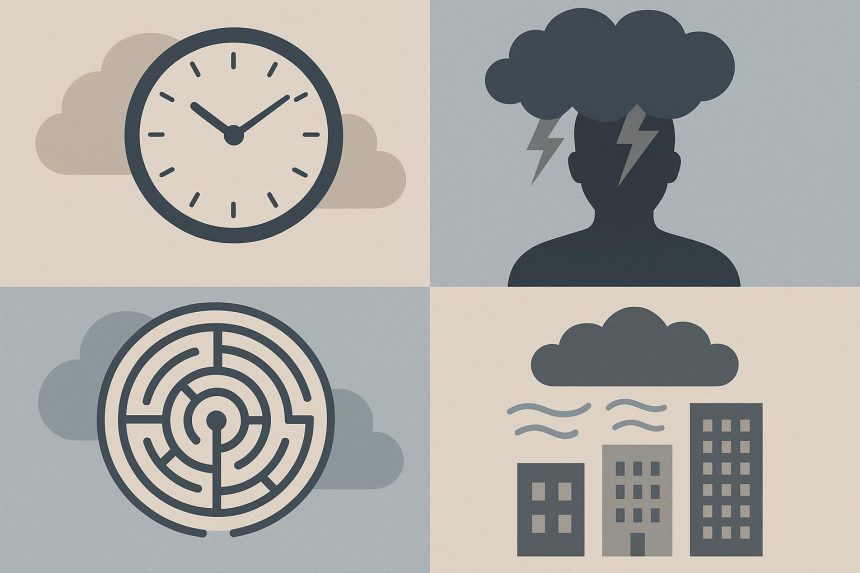
Triggers are events, thoughts, or environments that lead to feelings of unease, stress, or fear. For some, it may be a crowded space; for others, a certain memory, social situation, or even a simple routine task like answering an email. These responses are often subconscious and may not seem logical on the surface.
A common question in early mental health sessions is, “Can a telehealth doctor really help identify anxiety triggers just by talking?” The short answer is yes, but it relies on building a trusting, open dialogue. When you speak with a qualified practitioner in a space where you feel in control, you are more likely to notice and share patterns in your emotional reactions.
How Telehealth Supports Calmness and Self‑Awareness
Many patients report feeling more relaxed during online consultations. This is not just about convenience; it is about feeling grounded. Being in a familiar environment can reduce background anxiety, making it easier to focus on what is truly causing distress.
When you book telehealth appointments through services like Horizon Health, you gain access to experienced clinicians trained to listen for subtle cues, tone of voice, pauses, or recurring phrases. These details can be pivotal in helping identify thought patterns that lead to anxious responses.
People often wonder, “Is telehealth suitable for talking about personal or intense topics?” For many, the answer is yes. Some patients find it easier to speak openly when not in the same room, which can lower the fear of being judged.
Common Anxiety Triggers
Although anxiety triggers are highly individual, clinicians frequently hear similar themes from patients during sessions in NSW, such as:
- Work‑related stress from unrealistic deadlines or unhealthy workplaces
- Fears about illness or uncertainty about the future
- Past trauma or unresolved conflict
- Feelings of isolation, especially among remote or rural patients
- Financial worries and cost‑of‑living pressures
Telehealth offers a supportive way to talk through these concerns without the added stress of preparing for an in‑person visit. This flexibility is especially helpful for people in regional NSW, where mental health services can be harder to access.
Exploring Triggers Through Conversation
One of the most effective tools for uncovering anxiety triggers is reflective conversation. Skilled clinicians guide patients with gentle, structured questions that do not feel confrontational or rushed.
This process often includes:
- Mapping the emotional impact of recent events
- Noticing physical responses (such as chest tightness or restlessness)
- Observing recurring thought loops or behaviours
You do not need a formal diagnosis to begin this work. Patients sometimes ask, “Will I need a diagnosis before I can talk about anxiety triggers?” Not at all. It’s proactive to understand your triggers before discussing any label. At Horizon Health, we aim to meet you where you are, whether you are experiencing general unease or managing long‑term anxiety.
Empowering Patients Through Telehealth Sessions
Anxiety often stems from a sense of powerlessness. One of the key benefits of telehealth is that it gives some of that control back to you. You choose the environment, you decide the pace, and you have greater flexibility with scheduling.
When patients can book telehealth appointment times that fit their day, they are less likely to feel rushed or emotionally unprepared. This helps reduce spikes in stress during the session itself.
It is also common to worry, “What if I feel worse after a session?” It is natural to feel temporarily unsettled after talking about emotional topics. Over time, however, consistent telehealth appointments help build momentum and can reduce the emotional extremes that come with only seeking help in moments of crisis.
How NSW Clinics Address Mental Health Concerns
Clinics across NSW are adapting to changing patient needs, and telehealth has become a lasting part of that change. Instead of relying solely on city-based centres, people in regional and rural communities can now see qualified clinicians without leaving their homes.
Practitioners have also modified their approach to prevent patients from feeling overburdened. This might include shorter but more frequent sessions or combining telehealth with written exercises and grounding techniques. These gentle, structured methods allow people to engage with their anxiety in a manageable way.
The growing number of people searching for telehealth appointments in NSW shows how public confidence is shifting. More individuals are realising that they do not need to wait until a crisis to seek support.
What to Expect When Booking an Appointment
Booking a telehealth appointment should feel straightforward. At Horizon Health, patients can:
- Choose their practitioner
- Select a time that suits their schedule
- Receive a clear confirmation with simple instructions on how to join the call
No complex software is required; everything is designed to be secure, private, and easy to use. People often ask, “Will I see the same doctor each time?” Wherever possible, yes. Consistency is important when exploring anxiety triggers and tracking progress over time.
Another concern is, “What if I don’t know what to say?” That is completely okay. Telehealth clinicians are trained to guide the conversation without pressure, allowing room for pauses and reflection when needed.
Finding Continued Support for Anxiety
Identifying anxiety triggers is not a one‑time task, it is an ongoing process that benefits from patience, support, and the right environment. Telehealth clinics in NSW have opened new pathways for people to explore their mental health without the barriers that once stood in the way.
If you have felt unsure about starting therapy or did not know where to begin, telehealth can be a gentle first step. By choosing to book telehealth appointment sessions through services like Horizon Health, you can explore your triggers with compassionate, qualified professionals who understand how anxiety unfolds over time and support you as you learn to respond differently.

Lynn Martelli is an editor at Readability. She received her MFA in Creative Writing from Antioch University and has worked as an editor for over 10 years. Lynn has edited a wide variety of books, including fiction, non-fiction, memoirs, and more. In her free time, Lynn enjoys reading, writing, and spending time with her family and friends.