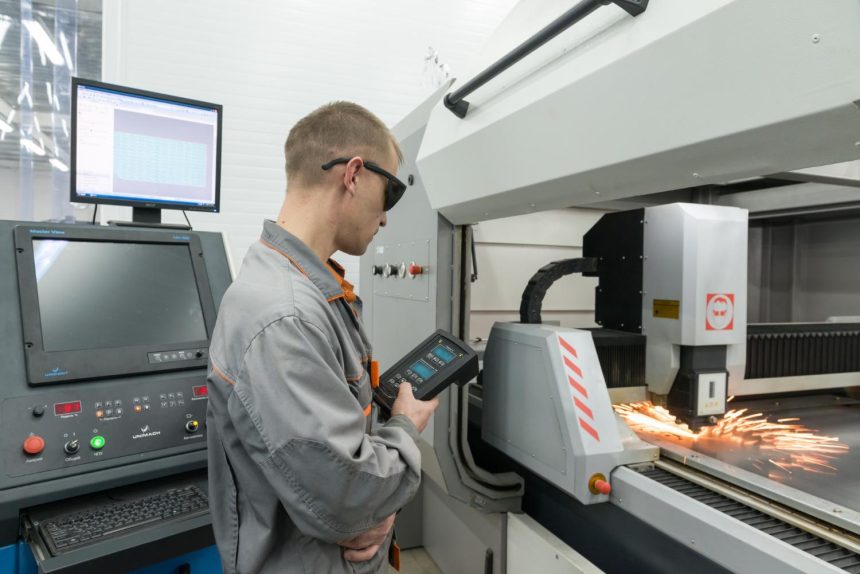
Looking for a fiber laser that definitely fits your save, price range and production goals — not one which just appears brilliant at the spec sheet? You’re in the right location. As a Fiber Laser Welder by profession, I’ve put together a friendly, realistic manual that cuts via advertising fluff and enables you to choose the proper fiber-laser system for steel reduction in 2026. We’ll cover why fiber lasers depend, the specs that drive overall performance, how to consider value-per-component, and a quick client’s tick list you can use today.
Why pick out a fiber laser? The brief solution
Fiber lasers give first rate beam quality, stable energy and high electric efficiency. That approach quicker slicing, narrower kerfs, much less maintenance and higher repeatability compared with older gasoline lasers. For maximum metallic shops, that aggregate translates immediately into higher throughput and lower walking expenses — especially while you cut skinny to medium plate and sheet metals.
Key specs that honestly affect cutting overall performance
When you overview datasheets, recognition on these practical specs — the numbers with a view to alternate your components, productivity and wallet:
- Laser energy (W / kW): Determines maximum reducing thickness and velocity. Entry and mid-variety production systems typically span from ~1 kW to 12 kW in the market; ultra-excessive strength structures exist for very thick plates.
- Beam first-class / M²: Lower M² means tighter cognizance and finer reduction. If you want skinny-sheet precision, prioritize brilliant beam fine over uncooked strength.
- Wavelength & coupling: Most business fiber lasers use ~1064 nm — that couples properly with not unusual metals and enables whilst reducing reflective substances like copper and aluminum.
- Assist gasoline assist: Nitrogen offers clean, oxide-unfastened edges for stainless and aluminum; oxygen increases pace on carbon metal but modifications part chemistry. Your components and end necessities dictate gas preference.
- Cutting head and nozzle design: The head’s autofocus, nozzle alternatives and height control affect side first-rate and pierce reliability. Don’t skimp here.
What “value-consistent with-component” in reality method (and how to estimate it)
Cost-in keeping-with-component has three main additives: capital costs, consumables & utilities, and hard work/overhead.
- Capital fee: Fiber laser structures vary broadly — from low-priced workhorse machines to high-stop, automatic manufacturing cells. Industrial consumers ought to anticipate a wide variety (entry structures vs. Excessive-precision manufacturing strains), and overall established value includes automation, chiller, fume extraction and fabric dealing with.
- Operating fees: Electricity, assist gases, optics replacements and periodic provider contracts. Fiber lasers are appreciably extra electricity efficient than older CO₂ systems, which lowers long-term operating cost.
- Throughput & yield: Faster reducing speeds and lower scrap costs reduce value in line with part faster than marginally lower purchase rate. Measure real slicing cycle times for consultant jobs (not seller demos).
A simple way to estimate: calculate hourly walking fee (amortized capex + electrical + gasoline + maintenance + operator) and divide by using the wide variety of correct elements produced in step with hour. That gives you actionable numbers to compare companies.
Material & thickness realities (what strength buys you)
Don’t pick out energy through the most important number on the brochure — pick out it through the substances and thicknesses you run most usually. For example, skinny steel and aluminum sheets paintings particularly well at decreasing kW ranges with speedy speeds; thicker plates need higher energy and different help-fuel strategies. Cutting charts and real check cuts are non-negotiable — posted pace/thickness charts supply a start line however usually run your elements earlier than you buy.
Fiber laser vs CO₂ — is it time to switch?
If you’re getting into high-quantity metallic reduction, fiber lasers typically win: better electrical performance, much less maintenance and quicker metal slicing. CO₂ still has area of interest blessings for some non-steel work or particular side finishes, however for maximum metal stores in 2026 fiber is the default choice.
Practical consumer’s checklist (short)
- ✅ Define your activity mix (materials, thickness, element size, each day hours) — match electricity to fact.
- ✅ Ask for real cuts: vendor check your precise component report and demand samples.
- ✅ Check general mounted cost: chiller, extraction, safety & automation upload up.
- ✅ Verify carrier & spares: reaction time, nearby techs and optics availability.
- ✅ Measure CAPEX vs TCO: evaluate amortized buy + running expenses in keeping with element, not simply sticky label fee.
- ✅ Think destiny: modular heads, upgradeable lasers and automation paths enlarge ROI.
Laser welding & integration note
If you propose to pair reducing with downstream becoming a member of, don’t forget that laser-reduce facet excellent affects weld prep and laser welding outcomes. Cleaner, regular edges reduce transform time and make computerized welding or assembly greater dependable. If welding is a part of your workflow, coordinate cutting head choices and aspect finishes together with your welding engineers — the small choices now can pay off at meetings. (For actual global welding sources, see VPG Laser’s welding applications web page.)
Final concept
Choosing the right fiber laser in 2026 is much less about the biggest electricity quantity and more approximately matching functionality in your actual workload, measuring price according to part, and making plans for service and future automation. If we are aware of the specs that remember, run actual checks, and evaluate general fee, we’ll select machines that preserve parts steady and margins healthy — that’s the smartest purchase any day.

Lynn Martelli is an editor at Readability. She received her MFA in Creative Writing from Antioch University and has worked as an editor for over 10 years. Lynn has edited a wide variety of books, including fiction, non-fiction, memoirs, and more. In her free time, Lynn enjoys reading, writing, and spending time with her family and friends.