Scott Mullady is a long-standing financial professional with more than three decades of experience in retirement plan administration, investment advisory services, and financial planning. As president of Heritage Pension Advisors, Inc. in Commack, New York, he works closely with business owners and plan participants on qualified retirement plan design, compliance, recordkeeping, and long-term sustainability. In parallel, Scott Mullady serves as a registered representative with Arkadios Capital, providing strategic investment guidance shaped by changing economic conditions.
His professional background includes prior advisory roles with Cetera Advisor Networks and extensive experience educating CPAs, human resource professionals, and business leaders on retirement investing and macroeconomic trends. With a foundation in economics and finance, his work often addresses how inflation, interest rates, and policy shifts affect retirement outcomes. This perspective informs practical discussions around savings behavior, portfolio review, and income planning in environments marked by rising costs and changing yields.
How Inflation and Rates Affect Retirement Planning
Many people understand that inflation and interest rates influence the economy, but few recognize how directly these forces affect retirement decisions. Whether someone is saving through a 401(k), preparing to draw income from investments, or managing plan options as an employer, shifts in inflation and interest rates reshape what retirement readiness looks like today.
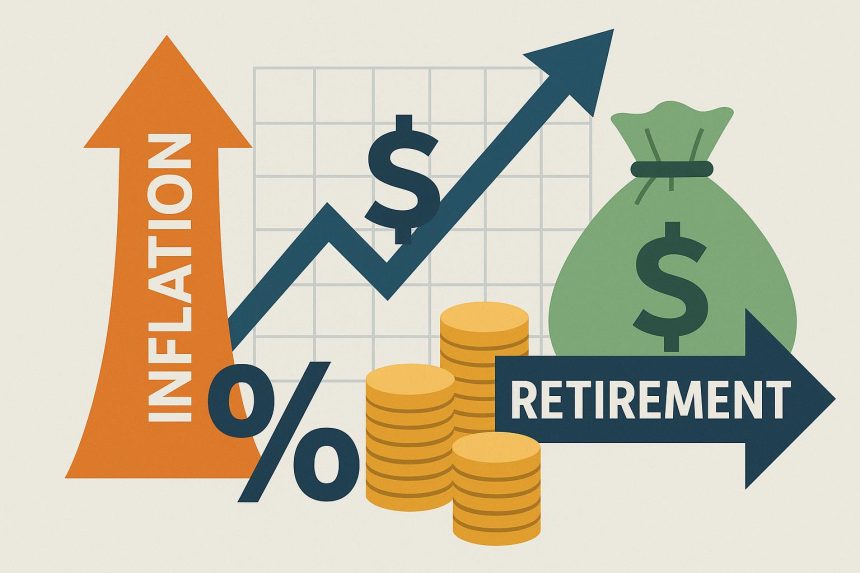
After recent years of higher prices and changing borrowing costs, many savers have started reviewing their assumptions more often, rather than treating retirement targets as “set and forget.” Inflation steadily erodes the value of future dollars. Many long-range retirement projections assume inflation of roughly two to three percent per year. At an inflation rate of about two and a half percent per year, one million dollars today would buy only about six hundred ten thousand dollars’ worth of goods in twenty years.
Interest rates shape what different investments pay and how they behave. When rates rise, banks may offer better returns on savings accounts, and new bonds tend to pay more. When rates fall, those safe yields shrink, and savers may feel more pressure to chase growth. These shifts do not predict market moves, but they change the tradeoffs that affect real-world planning.
For retirees, low rates often lead to income shortfalls. Savings accounts, certificates of deposit (CDs), and bonds pay lower interest rates, leaving some people with fewer dollars coming in. To cover expenses, they may draw more from principal, which can make a plan more fragile, especially when prices rise at the same time.
One effective response is increasing contributions. A higher savings rate can help offset the declining buying power of future withdrawals. Some savers build that increase into their routine, like raising deferrals after a raise or paying off a loan. The goal is to keep a savings pace that still works if everyday costs rise faster than expected.
Investors also benefit from reviewing their portfolio mix. When rates shift, the balance between growth and stability can change, particularly as retirement nears. Some people rebalance manually; others review whether their current fund choices still match their timeline and risk tolerance. Even a quick review can prevent portfolio drift that undermines the plan over time.
Some investors include inflation-aware options, such as Treasury Inflation-Protected Securities (TIPS), to reduce inflation’s impact on bond returns. These government-backed bonds adjust with inflation and help protect purchasing power. Some people use TIPS directly, while others hold them through mutual funds as part of a broader strategy.
Cash planning matters more when markets and inflation move together. Some retirees maintain a buffer of cash or liquid assets to avoid selling long-term investments during downturns. That reserve protects the rest of the portfolio against loss and provides flexibility if bills rise faster than expected.
Macroeconomic changes also influence retirement timing. Some people delay retirement when rising costs make their original budget feel unrealistic. Even a short delay can reduce early withdrawals and give savings more time to support later years. Others revise how they draw income by pausing big purchases, reducing withdrawals, or choosing which accounts to tap first.
While no one can predict inflation or rate shifts with precision, a few public signals can help people stay oriented. Inflation readings, central-bank rate decisions, and trends in household costs provide context for whether a retirement plan still fits current conditions. Used proactively, these signals can prompt earlier updates to contribution targets, spending assumptions, and withdrawal plans when higher costs appear in the budget.
About Scott Mullady
Scott Mullady is the president of Heritage Pension Advisors, Inc., where he specializes in qualified retirement plan administration, including design, compliance, and recordkeeping for corporate clients. Based in Commack, New York, he also serves as a registered representative with Arkadios Capital, providing investment advisory services. With more than 30 years of experience, his background includes advisory roles with Cetera Advisor Networks and regular speaking engagements for professional and academic audiences focused on retirement planning and economic trends.

Lynn Martelli is an editor at Readability. She received her MFA in Creative Writing from Antioch University and has worked as an editor for over 10 years. Lynn has edited a wide variety of books, including fiction, non-fiction, memoirs, and more. In her free time, Lynn enjoys reading, writing, and spending time with her family and friends.