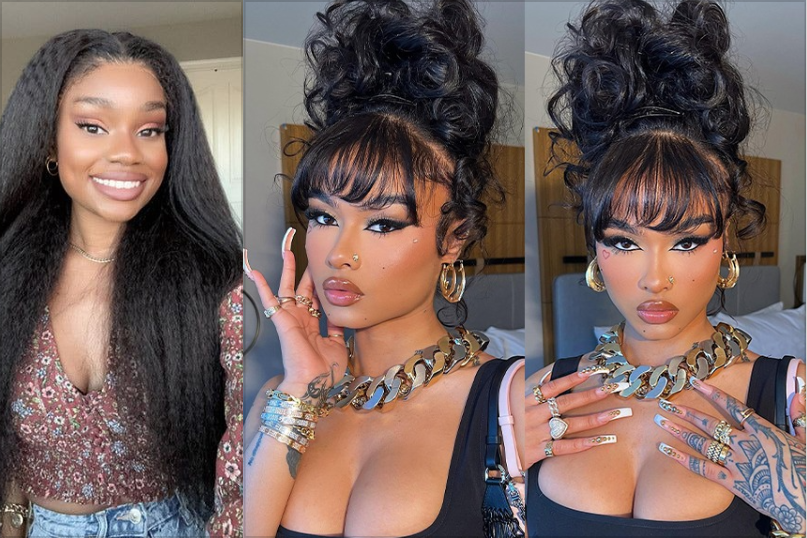
360 glueless wigs are a game-changer in the world of hair styling. They offer versatility, comfort, and a full, natural-looking hairline without the need for messy glue or adhesive. However, achieving that flawless, realistic look with a 360 wig requires a few insider techniques. If you’ve ever wondered how to make your wig blend seamlessly with your scalp and hairline, these seven hacks will transform your wig-wearing experience.
1. Prep Your Natural Hair for a Seamless Fit
The foundation of a natural-looking wig starts with how you prepare your hair underneath. Even with a glueless wig, the way your hair is styled can make a huge difference. Start by braiding or twisting your hair into flat cornrows or a low bun to create a smooth surface. This helps prevent bumps and ensures the wig sits flat against your scalp. If your hair has varying textures, you can also wrap it with a silk or satin scarf overnight to reduce frizz and flyaways. A smooth base ensures that your 360 wig mimics the natural flow of hair, creating a more realistic look.
2. Pluck the Hairline for a Natural Finish
One of the most noticeable giveaways of a wig is an unnaturally perfect hairline. The key to avoiding this is plucking. Carefully remove a few hairs along the hairline using tweezers to create a gradual, natural density. Focus on thinning the front edges rather than creating a completely bald line. Remember, natural hairlines are rarely uniform, so a slightly uneven look can make all the difference. After plucking, you can also use a light concealer or foundation that matches your scalp tone to blend the hairline further.
3. Bleach the Knots to Mimic Scalp Appearance
Even high-quality wigs often have visible knots where the hair is tied to the lace. These knots can make the wig look artificial. Bleaching the knots lightens them, making the base of your wig appear like your natural scalp. Take care not to over-bleach, as this can weaken the hair strands. A subtle approach often works best — aim for a shade slightly lighter than your scalp to create depth without an obvious bleach effect.
4. Use Styling Gel or Mousse for Flyaways
A common issue with glueless wigs is the hair along the hairline sticking up or looking frizzy. Styling gel, mousse, or edge control can help tame these flyaways and lay the hair flat against your forehead. Use a small brush or toothbrush to gently smooth edges. Applying a light scarf around the hairline for a few minutes after styling can help set the hair in place. Not only does this hack prevent an unnatural puffiness, but it also ensures your wig stays in place longer without glue.
5. Customize Baby Hairs for Realism
Baby hairs are essential for a natural finish, but not all wigs come with pre-styled edges. Create your own by trimming small sections along the hairline and shaping them with gel or edge control. Avoid making them too long or uniform; the goal is to mimic how natural baby hairs grow—some are short, some slightly longer, and slightly wispy. This small touch instantly elevates your wig from looking “worn” to “real hair.”
6. Proper Parting and Scalp Illusion
A flat, undefined part can make even the best wig look fake. To achieve a realistic part, separate the hair gently with a comb and apply a bit of foundation or powder that matches your scalp along the parting line. This creates the illusion that the hair is growing directly from your scalp. For deeper, more natural-looking parts, consider using a rat-tail comb to tease the lace gently and create a subtle scalp appearance beneath the wig. Some wig wearers even lightly pluck hairs along the part to make it appear less dense and more authentic.
7. Adjust Wig Position and Secure Strategically
Even glueless wigs benefit from strategic placement and support. Position your 360 wig so the lace aligns perfectly with your natural hairline. The back and sides should sit snugly against your scalp, but not too tight to cause discomfort. Some users opt for adjustable straps or wig grips for additional security, especially if they’re planning on wearing the wig for extended periods. Slightly shifting the wig forward or backward during styling can also help achieve the most natural frame around your face.
Bonus Tip: Maintain Wig Quality for Longevity
A natural look isn’t just about styling—it’s about care. Regularly wash and condition your wig using sulfate-free products to prevent dryness and frizz. Heat styling should be used sparingly and at lower temperatures to avoid damaging the hair fibers. A well-maintained 360 wig not only looks more natural but also lasts significantly longer. Proper maintenance ensures that your investment continues to look flawless every time you wear it.
Final Thoughts
Mastering the natural look with 360 glueless wigs & wear and go wigs is a combination of preparation, precision, and care. From plucking the hairline to customizing baby hairs and creating realistic scalp illusions, these seven hacks provide a comprehensive guide to achieving that “just-grown” aesthetic. While glueless wigs offer convenience and comfort, attention to detail makes all the difference in creating a flawless, natural appearance.
With these techniques, you can confidently wear your 360 wig knowing it looks seamless, stylish, and completely natural—turning heads without anyone ever guessing it’s a wig. Whether you’re a first-time wig wearer or a seasoned pro, these hacks are your blueprint for effortless, natural beauty with WigFever.

Lynn Martelli is an editor at Readability. She received her MFA in Creative Writing from Antioch University and has worked as an editor for over 10 years. Lynn has edited a wide variety of books, including fiction, non-fiction, memoirs, and more. In her free time, Lynn enjoys reading, writing, and spending time with her family and friends.