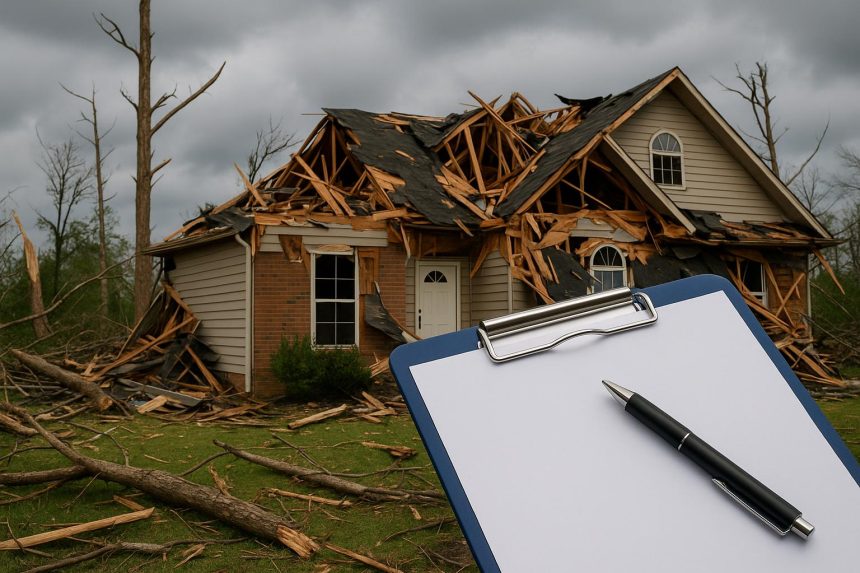
Hurricanes and severe storms can leave homeowners facing widespread damage and overwhelming uncertainty. Roofs, siding, interiors, and personal property may all be affected simultaneously, making it difficult to determine where to begin. Insurance policies are meant to provide relief, yet the claims process can feel complex during stressful moments. Many homeowners struggle to document losses while managing temporary repairs and safety concerns accurately. Public adjusters step in to provide structure during this chaotic period. By handling claim-related responsibilities, they help homeowners focus on recovery while ensuring that storm-related damage is properly identified, recorded, and communicated to insurance carriers.
Guidance Through the Claims Process
- Initial Damage Assessment After the Storm
After a hurricane or severe storm, damage is not always immediately visible. Water intrusion, structural shifts, and debris impact can create issues that develop over time. Public adjusters begin by conducting thorough assessments that go beyond surface damage. They review roofing systems, interior materials, and surrounding structures to identify losses that might otherwise go unnoticed. This early involvement helps prevent underreporting, which is a common issue in storm claims. In many cases, homeowners seeking loss recovery services in Illinois rely on this detailed approach to ensure that storm damage is fully documented before cleanup or repairs alter the evidence. Accurate early assessments form the foundation of a stronger claim and reduce disputes later in the process.
- Organizing Documentation and Communication
Storm-related claims often involve large volumes of documentation, including photographs, repair estimates, inventories, and timelines. Public adjusters organize this information into clear, structured submissions that insurance carriers can review efficiently. They also manage communication by responding to requests, scheduling inspections, and following up on unanswered correspondence. This consistent coordination prevents claims from stalling during periods when carriers are handling high volumes of storm-related cases. By serving as a single point of contact, public adjusters reduce confusion and ensure important details are not overlooked. Their involvement helps keep the claim active and moving forward, even when insurers are managing multiple storm events simultaneously.
- Navigating Coverage and Valuation Challenges
Hurricane and storm claims often involve disputes over coverage limits, deductibles, and valuation of damage. Public adjusters help homeowners understand how policy language applies to wind, water, and debris-related losses. They align documented damage with coverage provisions to support accurate valuations. When insurance carriers question estimates or limit payouts, adjusters respond with supporting evidence rather than assumptions. This structured negotiation approach keeps discussions focused on documented facts. By addressing valuation issues early, public adjusters reduce delays and help avoid prolonged back-and-forth that can slow recovery efforts after major storms.
- Maintaining Momentum During Extended Claims
Storm claims often take longer to resolve due to the scale of damage and the number of affected properties. Public adjusters remain involved throughout the entire process, monitoring progress and ensuring that updates are addressed promptly. If additional damage is discovered during repairs, they update documentation and communicate changes to the carrier. This ongoing oversight prevents claims from closing prematurely with unresolved issues. Homeowners benefit from knowing someone is consistently tracking the claim while they focus on rebuilding and restoring normal routines.
- Support When It Matters Most
Public adjusters play a vital role in helping homeowners navigate hurricane and storm claims with greater clarity and confidence. Through careful damage assessment, organized documentation, and consistent communication, they help ensure that losses are fully recognized. Their involvement reduces confusion during emotionally challenging periods and keeps claims moving despite external delays. By managing technical details and follow-ups, public adjusters allow homeowners to concentrate on recovery rather than paperwork. In the aftermath of severe weather, this steady support can make a meaningful difference in how quickly and fairly claims are resolved.

Lynn Martelli is an editor at Readability. She received her MFA in Creative Writing from Antioch University and has worked as an editor for over 10 years. Lynn has edited a wide variety of books, including fiction, non-fiction, memoirs, and more. In her free time, Lynn enjoys reading, writing, and spending time with her family and friends.