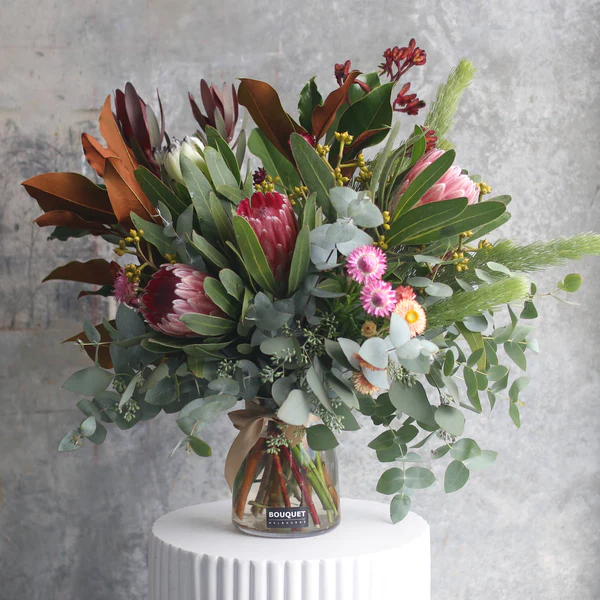
Fresh flowers are one of the more common gift options for just about any occasion. Whether you’re celebrating a birthday, promotion, or expressing sympathy, there’s always a flower arrangement to suit the occasion.
Opting to use the florist Williamstown locals trust makes it super easy to find the best bouquet for a special occasion or table centrepiece. Despite their classic appeal, many Australians are wondering how sustainable it is to choose fresh flowers as a gift. This post takes a closer look at how many local florists are adopting a sustainable approach to obtaining and creating the perfect arrangement.
Understanding Sustainable Floristry
In recent years, every industry has faced significant scrutiny about how sustainable its production or marketing processes are. The floristry industry has not been exempt from questions surrounding its environmental footprint.
Some of the aspects that have placed a negative light on the floristry industry include their traditional use of plastic packaging, international freight to obtain out-of-season blooms, and off course, the flower wastage. With this in mind, it became obvious that changes needed to be made within the whole industry.
Sustainable floristry can be defined as a more practical approach to floral arrangements, which involves balancing environmental responsibility and the expected aesthetic beauty. This approach focuses on practices that embrace the art and beauty of floral design and the protection of the planet. Our team of environmental experts highlight the top ways that Australian florists are making the change.
- Understanding Why Sustainability in the Flower Industry Matters
Sustainability isn’t only essential in industries that make use of intensive production methods. Here’s how sticking to traditional methods is harmful:
- Increased carbon footprint: Cut flowers are often imported, which requires extensive air freight transportation and energy-intensive refrigeration. This process also involves heavy pesticides and plastic or foam packaging.
- Affects soil and water health: A combination of intensive irrigation, chemical pesticides and fertilisers affects soil and water health in commercial flower farms.
- Creates waste: Events such as weddings, birthday parties, and corporate events generate extensive amounts of waste in the form of discarded blooms, ribbons, floral foam and cellophane wraps, which end up in landfills.
- Defining the Basic Principles of Sustainable Floristry
At its core, sustainable floristry encompasses the practice of sourcing, designing, and providing beautiful arrangements in ways that reduce as many aspects of environmental harm as possible. The goal is to rethink the way floral bouquets and traditional floristry practices are performed.
This includes everything from obtaining blooms and greenery to how the arrangements are packaged, transported, and eventually disposed of. Here’s a list of the most prominent key principles that local florists are focusing on:
- Source local and seasonal blooms, focusing on native plants
- Reduce the overall use of non-compostable and plastic materials
- Avoid the use of traditional toxic cleaning and preserving chemicals and floral foam
- Minimise all associated waste by adopting reuse and composting practices
- Encourage and support fair and sustainable practices throughout the whole supply chain
The overall goal of sustainable floristry is to design and implement with intention. This means that local florists are now focusing on making choices that prioritise the longevity of the planet without compromising on the beauty and classic appeal of flowers as gifts.
- Sustainable Alternatives Used by Australian Florists
The good news is that local florists have been able to make significant changes in the way floristry is done without compromising the quality or creativity customers expect with their arrangements. Some of the key alternatives being used include the following:
- Sourcing local flowers: Opting to use locally grown flowers as opposed to imported blooms. Popular Australian varieties to choose from include Banksia, Billy buttons, Waxflower and Proteas. Fortunately, all of these blooms come in a variety of colours and fragrances, making it super easy to create a stunning arrangement.
- Ditching the foam: Traditional floral foam breaks down into microplastics and is extremely harmful to the environment. Alternatives being used include reusable pin holders, chicken wire, mesh grids or compostable moss.
- Switching the packaging: Replacing traditional plastic sleeves with recycled kraft paper and fabric wraps. This also includes using natural twine rather than plastic ribbon.
- Reducing floral waste: Better planning schedules to reduce overordering and opting to compost green waste. Donate usable flowers to facilities such as care homes, schools, and hospitals rather than throwing them away after an event.
Final Thoughts
If you are looking for ways to make your gift-giving process less wasteful, the good news is that you can still do it with flowers. Speak to your local florist to find out if they’re embracing sustainability principles before placing your order. That way, you can still give as many flower arrangements to your family and friends as you’d like without feeling guilty about the effects it’s having on the environment.
Choosing native, locally sourced blooms wrapped in hessian with natural twine is not only more eco-friendly but looks and smells amazing. You’ll be glad you made the switch to sustainable floral arrangements!

Lynn Martelli is an editor at Readability. She received her MFA in Creative Writing from Antioch University and has worked as an editor for over 10 years. Lynn has edited a wide variety of books, including fiction, non-fiction, memoirs, and more. In her free time, Lynn enjoys reading, writing, and spending time with her family and friends.