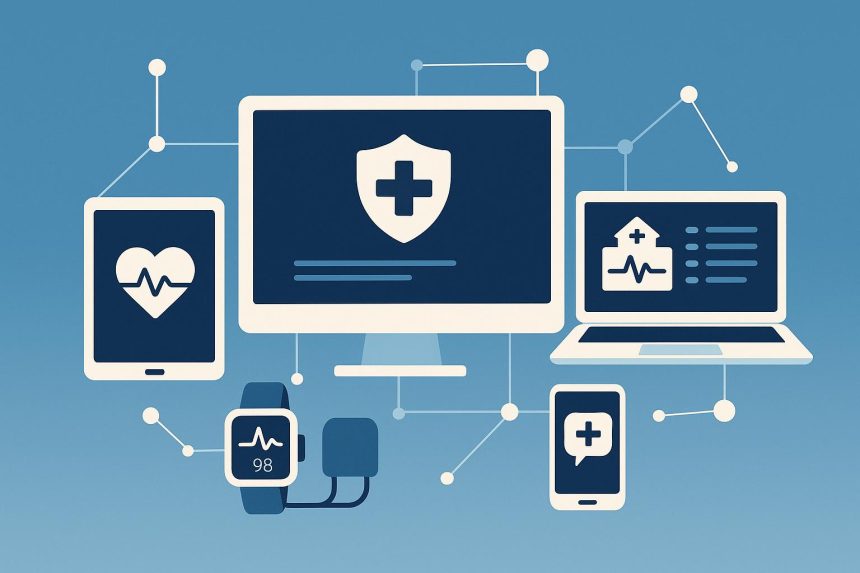
The healthcare industry is undergoing a dramatic transformation, primarily fueled by advances in technology. As medical professionals strive to deliver better patient outcomes, solutions like Canvas Medical are emerging as cornerstones for connected care teams.
This innovative, smart healthcare platform promises seamless collaboration among healthcare providers, enabling them to provide coordinated and efficient care. Understanding the intricacies of these platforms is essential for both healthcare professionals and business stakeholders aiming to invest in this burgeoning field.
Understanding Smart Healthcare Platforms
Smart healthcare platforms integrate various technologies and software systems to help interconnected care among healthcare teams. These platforms serve as centralized communication hubs, enabling providers to share information, coordinate treatment plans, and streamline administrative tasks. They cater to various healthcare settings, including hospitals, outpatient clinics, and urgent care facilities.
The essence of a smart healthcare platform lies in its ability to enhance collaboration. By connecting care teams, physicians, nurses, specialists, and even administrative staff, these platforms help in ensuring that all members are on the same page when managing patient care. Also, as healthcare becomes increasingly data-driven, these platforms harness data analytics to improve decision-making and patient outcomes.
Key Features of Smart Healthcare Platforms
A successful smart healthcare platform incorporates several essential features:
Integrated Communication Tools
Effective communication is crucial for coordinated care. Smart platforms provide messaging, video conferencing, and secure data sharing, allowing for real-time updates and consultations among team members.
Electronic Health Records (EHR) Integration
Integration with existing EHR systems enables seamless access to patient data. This integration allows healthcare providers to consult patient histories and make informed decisions quickly.
Telemedicine Capabilities
With the rise of remote care, telemedicine functionalities support virtual consultations, enabling patients to receive care from the comfort of their homes. This feature is particularly beneficial in reaching underserved populations.
Analytics and Reporting
Smart healthcare platforms use data analytics tools to monitor performance metrics, patient outcomes, and resource efficiency. Healthcare teams can use these insights to refine operational strategies and improve care delivery.
Customization and Scalability
As healthcare practices evolve, so must the tools that support them. These platforms offer customizable features and can scale according to the growing needs of a healthcare facility.
Benefits of Connected Care Teams
Connected care teams drive multiple benefits for healthcare organizations and their patients:
Improved Patient Outcomes
As healthcare providers collaborate more effectively, they can make faster, more informed decisions, eventually enhancing patient care quality. Integrated communication minimizes the risk of errors and improves overall patient satisfaction.
Increased Efficiency
Connected teams reduce redundancies and streamline workflows by sharing information in real-time. This efficiency can lead to shorter patient wait times and a more organized approach to care delivery.
Enhanced Resource Management
By leveraging data analytics, smart healthcare platforms help organizations make informed decisions about resource allocation, ensuring that staff, equipment, and facilities are used optimally.
Reduced Overall Healthcare Costs
Operational efficiencies can contribute to cost savings. Better communication and collaboration help prevent unnecessary tests and procedures, which can drive down expenses for both providers and patients.
Technologies Driving Smart Healthcare Solutions
Several key technologies underpin the functionality of smart healthcare platforms:
Artificial Intelligence (AI)
AI algorithms optimize patient care by predicting health outcomes and personalizing treatment plans. They also automate routine tasks, freeing up healthcare professionals to focus on patient interaction.
Cloud Computing
Cloud technology facilitates the storage and sharing of vast amounts of healthcare data securely. It allows healthcare teams to access critical information from anywhere, fostering collaboration.
Internet of Things (IoT)
IoT devices, including wearable technology, collect real-time health data. These devices feed information back to healthcare teams, supporting proactive intervention and monitoring.
Blockchain Technology
Blockchain offers a secure, decentralized method for managing patient records and ensuring data integrity. This technology enhances data security and fosters trust among stakeholders in the healthcare system.
Challenges in Implementing Smart Healthcare Platforms
Even though their benefits, implementing smart healthcare platforms is not without challenges:
Data Privacy Concerns
As healthcare platforms collect sensitive patient information, maintaining data privacy and securing against breaches is paramount. Compliance with regulations such as HIPAA adds complexity to implementation efforts.
High Initial Costs
Adopting smart healthcare platforms can require significant upfront investment. Small practices, in particular, may struggle to allocate sufficient resources for technology adoption and training.
Resistance to Change
Healthcare professionals accustomed to traditional methods may resist transitioning to new systems. Comprehensive training and a culture fostering innovation are essential to help smooth adoption.
Future Trends in Smart Healthcare
As the healthcare landscape continues to evolve, several trends are emerging within the realm of smart healthcare platforms:
Enhanced Interoperability
Integration between disparate systems will become more robust, allowing for better data exchange and collaboration across different healthcare settings.
Personalization through AI
AI will continue to drive personalization in patient care, with platforms evolving to deliver tailored treatment plans based on individual patient data.
Expansion of Telehealth
Post-pandemic, the trend towards telehealth will solidify, with more innovative features being integrated into smart healthcare platforms to enhance remote care.
Focus on Mental Health
As awareness around mental health grows, platforms will likely integrate specialized services and support systems for mental well-being, ensuring comprehensive care.
Conclusion
Smart healthcare platforms represent a significant advancement in the way healthcare teams collaborate and provide care. With their comprehensive tools and features, these platforms enhance communication, improve patient outcomes, and drive operational efficiencies. Although challenges exist, the benefits outweigh the drawbacks for many healthcare organizations. As technology evolves, so too will the capabilities of these platforms, paving the way for a more connected and efficient future in healthcare. For stakeholders looking to invest in smarter solutions, understanding these dynamics is crucial for navigating the evolving landscape.

Lynn Martelli is an editor at Readability. She received her MFA in Creative Writing from Antioch University and has worked as an editor for over 10 years. Lynn has edited a wide variety of books, including fiction, non-fiction, memoirs, and more. In her free time, Lynn enjoys reading, writing, and spending time with her family and friends.