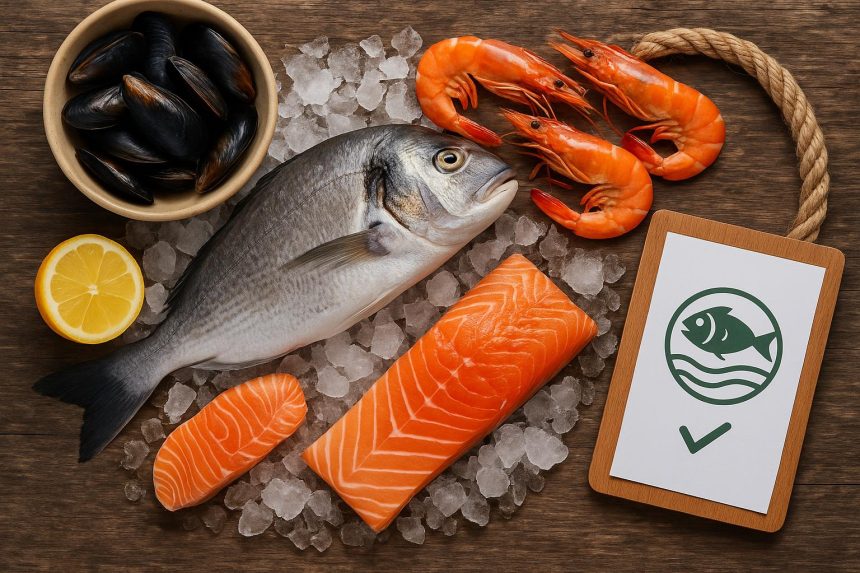
Seafood often reaches a table with rich flavors and fresh appeal, yet its journey rarely gets attention. Every fish or shellfish carries a background shaped by water quality, harvest timing, and careful handling. A closer look at these factors adds depth to each purchase decision. Awareness before an order helps ensure better taste, safety, and overall satisfaction.
Smart preparation begins once a source earns interest. Trusted seafood suppliers such as crabs.com share useful details about harvest locations, handling standards, and product care. This level of openness helps buyers judge quality with confidence and creates clear expectations long before delivery day arrives.
Why Seafood Origin Shapes Quality
The place where fish or shellfish come from affects flavor, texture, and freshness. Cold waters often yield firm meat, while warm areas may offer a softer bite. Local rules, water purity, and seasonal cycles also shape overall quality. Wild catch and farm-raised options differ as well. Wild harvest depends on natural cycles and may vary in size or taste. Farm-raised stock offers more consistency but relies on feed quality and care practices. Awareness of origin allows buyers to match products with personal taste goals.
Harvest Methods That Matter
Different harvest styles affect both quality and the environment. Gentle methods help reduce stress on the catch and protect surrounding habitats. Careful harvest also helps preserve texture and flavor.
Common harvest approaches
- Hand collection for shellfish in shallow waters
- Trap use for crabs and lobsters
- Line-based catch for many fish types
Each method leaves a distinct mark on the final product. Buyers who value sustainability often seek details about these practices before any order.
Cold Chain and Product Care
Once seafood leaves the water, proper care becomes critical. Temperature control from boat to buyer protects freshness and safety. Any break in this cold chain may reduce shelf life or alter taste. Vendors who follow strict standards often share details about storage and transport. Look for notes about rapid cooling, sealed packs, and insulated transport. These details signal care and professionalism.
Transparency From Seller to Buyer
Clear communication builds trust. Sellers who share harvest dates, origin regions, and care steps help buyers make smart choices. Labels and product pages should answer common questions without vague language. A reliable source often provides key details.
Details that support trust
- Exact catch or harvest date
- Region or body of water
- Storage and pack notes
- Clear weight and count info
Such clarity helps buyers compare options with ease.
Product Range and Service Insight
Some providers focus on a wide range of shellfish, fish fillets, and specialty items. Others may offer add-ons such as seasoning blends or ready-to-cook packs. A balanced range allows buyers to plan meals with ease while relying on one source for multiple needs. Service quality matters as well. Clear order steps, responsive support, and accurate delivery windows add value beyond the product itself. A smooth process often reflects strong internal standards.
Reading Reviews With Care
Feedback from past buyers offers insight into real experiences. Look for notes about freshness, pack quality, and delivery timing. Patterns matter more than one-off comments. Balanced reviews often mention both strengths and minor issues. Such honesty suggests authenticity and helps set realistic expectations.
Seafood choices feel easier with the right knowledge. Origin, harvest style, care methods, and seller transparency all shape final quality. Careful review of these factors helps buyers avoid surprises and enjoy better meals. A thoughtful approach before any order leads to confidence, value, and a more enjoyable table experience.

Lynn Martelli is an editor at Readability. She received her MFA in Creative Writing from Antioch University and has worked as an editor for over 10 years. Lynn has edited a wide variety of books, including fiction, non-fiction, memoirs, and more. In her free time, Lynn enjoys reading, writing, and spending time with her family and friends.