Improve Warehouse Handling Techniques
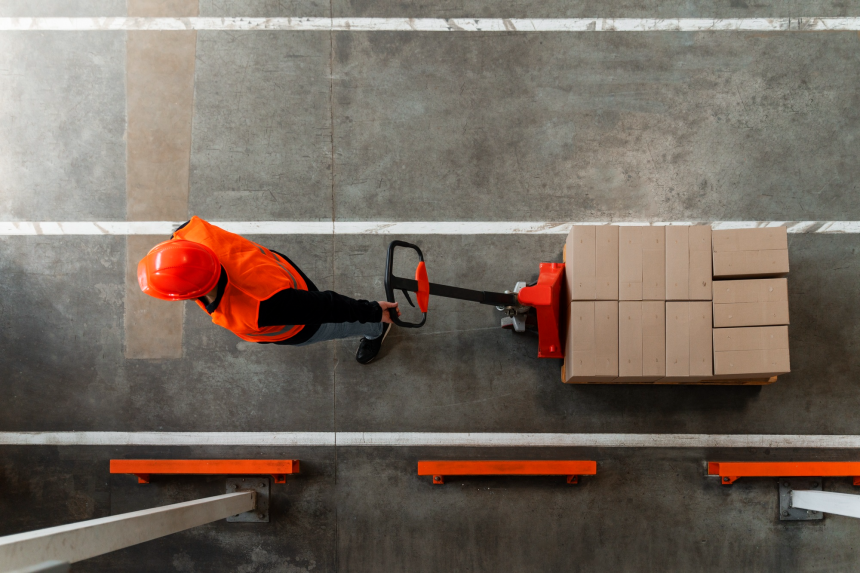
One of the main causes of workplace injuries is manual handling techniques, particularly under time pressure or when moving loads frequently. By accessing professional manual handling trucks and trolleys, companies can reduce overreliance on the physical lifting of goods and, at the same time, maintain proper control over movement. Employers can take advantage of a wide range of equipment like pallet movers, sack trucks, specialised trolleys and platform trucks to support different load movements. These tools are designed to improve posture, reduce cumulative strain and stabilise loads, minimising musculoskeletal disorders.
The main role of employers is to ensure the availability and correct use of appropriate handling equipment. The overall operational efficiency will decline with an increase in injury risks, especially when workers are expected to move goods without the necessary support. Strain injuries can lead to absenteeism, which in turn can slow order fulfilment, disrupt workflow and build pressure on remaining staff. On the flip side, choosing the right handling equipment reduces fatigue, supports smoother movement of goods and maintains consistency across shifts. This means that warehouses can protect their employees’ health while maintaining accuracy, productivity and long-term efficiency by providing practical manual handling equipment.
Common Manual Handling Risks
Most warehouse operations present great manual handling risks that can lead to workplace injuries. These risks are often from repeated routine tasks, performed under time pressure. It is important to understand where injury risks can arise to properly improve safety and operational efficiency.
Carrying and Lifting Heavy Loads
Frequent lifting or carrying heavy items places significant strain on the knees, shoulders and back. In most cases, injuries occur when lifting loads from floor level, carrying over a distance and handling without assistance. Using load handling aids like pallet trucks, lift-assisted trolleys or platform trucks reduces manual lifting and facilitates transport at a stable height, lowering long-term injuries and limiting direct physical strain.
Pushing and Pulling
While push and pull activities can appear less risky compared to lifting, they often lead to arm, lower back and shoulder injuries, especially when using unsuitable equipment or the load is unstable. Uneven flooring, poor wheel quality or excessive weight can increase effort and resistance. Warehouses can minimise injuries from pushing and pulling by using well-designed trolleys with appropriate load capacities and wheel types to evenly distribute loads and allow smooth movements.
Repetitive Movements
Repetitive manual handling of goods contributes greatly to fatigue and cumulative strain, increasing injury risk and error rates over time. Using equipment that supports efficient and consistent movements can reduce the number of manual actions per task. Companies can reduce physical toll on employees while maintaining steady production by minimising manual repetitive effort.
Awkward Postures
Warehouse layout often expects employees to reach into confined spaces, bend and/or twist. However, repeated awkward postures increase the probability of the development of musculoskeletal disorders. Employers should encourage safer positioning through specialist handling equipment like adjustable platforms and narrow-aisle trolleys. They bring the load closer to the body and within neutral working height, minimising unnecessary twisting and bending during handling.
Improving Efficiency Through Better Movement
Reducing Handling Errors and Delays
Seamless handling reduces time spent managing congestion, repositioning loads or correcting instability in shared work environments. The right equipment should control movements to allow goods to be transported in a predictable and stable manner. In return, it mitigates product damage, enhances handling accuracy and supports reliable order fulfilment.
Supporting Repeatable Activities
Consistency in goods movements plays a critical role in standardising workflows across teams and shifts. When warehouse employees use the right handling tools, tasks are performed in a similar way throughout different shifts, regardless of volume. As a result, it lowers fatigue-related mistakes, reduces variability in performance and helps maintain steady output levels.
Conclusion
Effective manual handling is vital for both operational efficiency and warehouse safety. Employers can minimise injuries, reduce strain and improve workflow consistency by offering suitable equipment and encouraging proper usage. Modern handling equipment protects employees‘s health and supports efficient and reliable operations, ensuring warehouses run smoothly while maintaining the required safety standards.

Lynn Martelli is an editor at Readability. She received her MFA in Creative Writing from Antioch University and has worked as an editor for over 10 years. Lynn has edited a wide variety of books, including fiction, non-fiction, memoirs, and more. In her free time, Lynn enjoys reading, writing, and spending time with her family and friends.