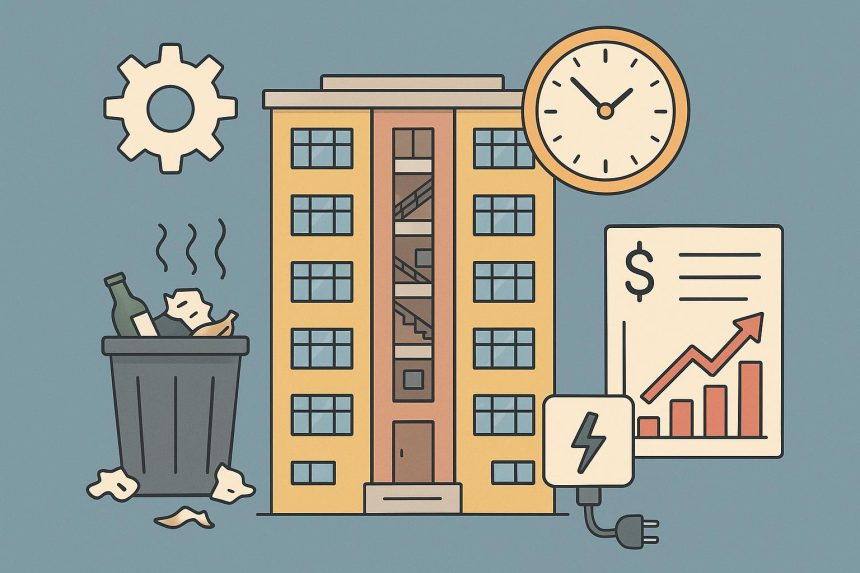
Strata living offers convenience, shared responsibility, and access to amenities that many homeowners couldn’t justify on their own. But when strata management isn’t running efficiently, those benefits can quickly turn into frustration, rising costs, and ongoing disputes. From communication breakdowns to neglected infrastructure, inefficiencies often creep in quietly—and compound over time.
The good news? Most strata management issues are common, predictable, and fixable with the right systems and mindset. Below, we explore the most frequent inefficiencies affecting strata properties and how owners’ corporations can address them before they become costly problems.
Poor Long-Term Planning
One of the most common inefficiencies in strata management is a lack of forward planning. Many buildings operate reactively—only addressing issues when something breaks or complaints escalate. Without a clear maintenance and capital works plan, strata committees may face:
- Unexpected special levies
- Deferred repairs that worsen over time
- Higher long-term costs due to emergency fixes
This is especially problematic in buildings with shared assets like roofing, parking structures, or elevators for multi-level residential buildings, where preventative maintenance is far more cost-effective than reactive repairs.
How to fix it: Develop and regularly review a 10-year maintenance plan. This ensures upcoming expenses are anticipated, budgets are realistic, and major assets are maintained before they fail.
Inefficient Communication Between Stakeholders
Strata management involves many moving parts—owners, tenants, strata managers, contractors, and committee members. When communication is unclear or inconsistent, issues fall through the cracks. Common communication inefficiencies include:
- Delayed responses to maintenance requests
- Unclear responsibilities between strata manager and committee
- Residents unaware of building works or rule changes
How to fix it: Implement a centralised communication system, such as an online strata portal. Clear reporting processes, regular updates, and documented decisions reduce confusion and build trust across the building.
Delayed or Reactive Maintenance
Ignoring small maintenance issues is one of the fastest ways to inflate strata costs. Minor problems—like water leaks, lift downtime, or electrical faults—often escalate into major repairs when left unchecked. Reactive maintenance leads to:
- Higher repair costs
- Increased safety risks
- Resident dissatisfaction and complaints
How to fix it: Adopt a preventative maintenance approach. Schedule routine inspections, log recurring issues, and engage reliable contractors who understand the building’s infrastructure and history.
Overlooking Vertical Transport and Building Access
In multi-storey residential buildings, lifts are not just a convenience—they’re essential infrastructure. Inefficiencies often arise when lift performance, safety, or capacity isn’t regularly reviewed. Common lift-related issues include:
- Frequent breakdowns due to outdated systems
- Long wait times during peak hours
- Poor accessibility for ageing residents
How to fix it: Ensure lift systems are included in long-term planning and reviewed by specialists. Working with experienced providers can help strata committees assess whether upgrades, modernisation, or improved maintenance schedules are needed to support building demand.
Financial Mismanagement and Lack of Transparency
Poor financial oversight can quietly undermine even well-maintained buildings. Inefficiencies often appear as unclear budgets, unexplained cost increases, or insufficient reserve funds. Warning signs include:
- Regular special levies
- Inconsistent financial reporting
- Limited understanding of where funds are allocated
How to fix it: Request detailed, easy-to-read financial reports and conduct regular audits. Transparent budgeting helps owners understand costs, supports better decision-making, and reduces disputes within the strata community.
Underutilising Technology
Many strata schemes still rely on outdated, manual processes that slow everything down—from approvals to record-keeping. This can result in:
- Lost documents
- Delayed approvals
- Repetitive administrative work
How to fix it: Embrace digital tools designed for strata management. Online document storage, maintenance tracking, and automated reminders can significantly improve efficiency while reducing administrative burden.
Inconsistent Contractor Management
Changing contractors frequently or choosing providers based solely on price often leads to inconsistent outcomes. Poor workmanship, unclear scopes of work, and repeated call-outs all contribute to inefficiency.
How to fix it: Build long-term relationships with trusted, specialised contractors who understand strata environments. Clear contracts, performance reviews, and defined service expectations lead to better results and fewer issues over time.
Inefficiency is optional… with the right approach
Strata management inefficiencies don’t usually stem from one major failure, but from small oversights that accumulate. By focusing on proactive planning, transparent communication, preventative maintenance, and smart use of technology, owners’ corporations can significantly reduce costs, minimise disputes, and improve the overall living experience.
Efficient strata management isn’t about doing more—it’s about doing things earlier, smarter, and with the right expertise guiding each decision.

Lynn Martelli is an editor at Readability. She received her MFA in Creative Writing from Antioch University and has worked as an editor for over 10 years. Lynn has edited a wide variety of books, including fiction, non-fiction, memoirs, and more. In her free time, Lynn enjoys reading, writing, and spending time with her family and friends.