Stress is a natural part of modern life. Deadlines, social expectations, digital overload, and constant comparison all contribute to mental pressure. In response, many people search for immediate relief — sometimes through drastic lifestyle changes that promise quick results.
Yet overcorrection can be just as destabilizing as stress itself. Abruptly eliminating routines, adopting rigid self-improvement systems, or relying on external solutions without reflection may create new forms of tension. Sustainable stress management tends to be gradual, measured, and rooted in awareness rather than urgency.
The Risk of Extreme Solutions
When individuals feel overwhelmed, it is tempting to seek dramatic resets. However, psychological research suggests that sustainable change usually occurs through small, repeatable adjustments. Large swings in behavior often lack long-term consistency.
Instead of replacing one habit entirely with its opposite, people frequently benefit from exploring structured alternatives that maintain some degree of familiarity. This reduces friction and lowers the likelihood of abandoning the adjustment altogether.
In addition to lifestyle changes, various tools and products can support stress-reduction efforts. Devices like Ploom, a heated tobacco device, are designed to offer an alternative for individuals who use tobacco and are seeking options that align with their preferences. These compact devices cater to modern lifestyles but should not be considered a solution for stress management. While these tools may fit seamlessly into certain routines, they are not intended to address stress or relaxation directly and should be used with mindfulness of their intended purpose.
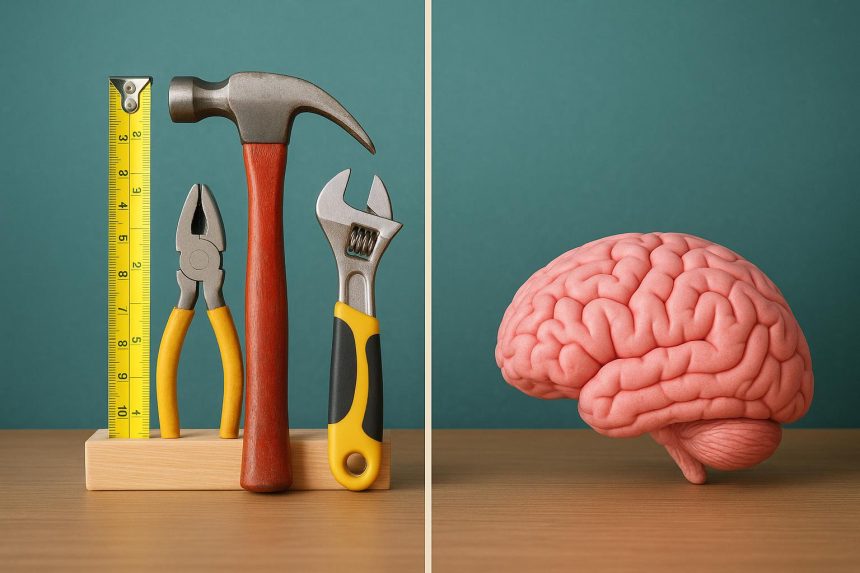
This perspective reinforces an important principle: tools can support structure, but they are not substitutes for emotional regulation.
Building Sustainable Stress Strategies
Effective stress management often includes predictable routines, intentional pauses, and realistic expectations. For some, that may involve short walks or structured breaks. For others, it may mean setting clearer boundaries around work and digital interaction.
The key element is moderation. When strategies are designed to fit naturally into daily life, they are more likely to endure.
Self-Awareness as Prevention
Stress becomes more manageable when individuals recognize early signs of overload. Rather than waiting for burnout, reflective practices allow people to adjust gradually. This prevents the need for drastic corrections later.
Awareness also reduces the temptation to attribute emotional states to a single factor. Stress is rarely caused by one habit alone; it is usually the accumulation of multiple pressures.
Conclusion
Managing stress effectively does not require extreme change. It requires thoughtful evaluation and structured adjustment. By avoiding overcorrection and focusing on sustainable patterns, individuals can maintain stability without creating new sources of disruption.
Balance is achieved not through sudden transformation, but through measured, intentional adaptation.

Lynn Martelli is an editor at Readability. She received her MFA in Creative Writing from Antioch University and has worked as an editor for over 10 years. Lynn has edited a wide variety of books, including fiction, non-fiction, memoirs, and more. In her free time, Lynn enjoys reading, writing, and spending time with her family and friends.