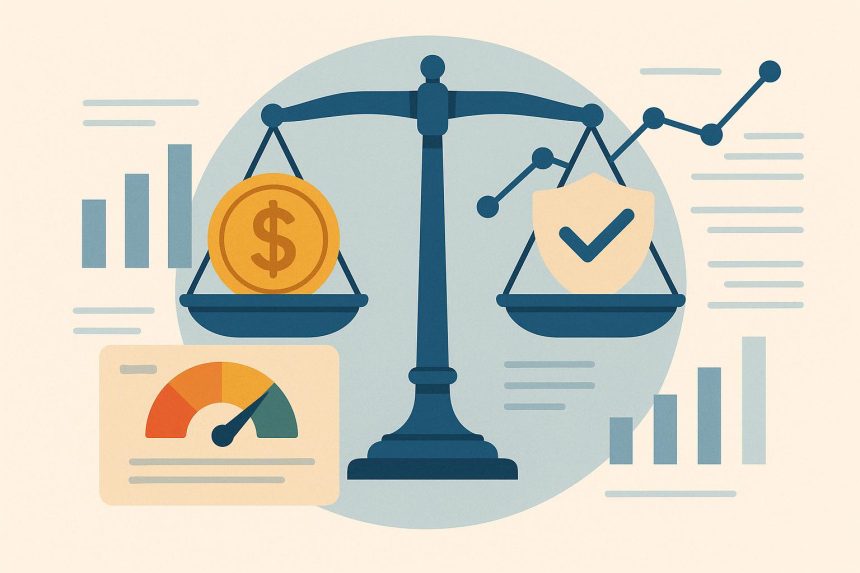
In today’s fast-paced digital economy, fintech companies are redefining how people access credit. But as technology powers faster decisions and more personalized offerings, it also raises critical questions about fairness and equity. The Equal Credit Opportunity Act (ECOA) isn’t just a legal requirement; it’s a framework for building trust, preventing bias, and ensuring that innovation benefits everyone.
Understanding ECOA in the Modern Lending Landscape
In an era where financial services are increasingly digital, regulatory compliance is no longer just a legal requirement; it’s a cornerstone of trust and competitiveness. At the heart of fair lending in the United States is the Equal Credit Opportunity Act (ECOA), established to prevent discrimination in any aspect of credit transactions. The law prohibits adverse treatment based on race, color, religion, national origin, sex, marital status, age, receipt of public assistance, or the exercise of certain consumer rights.
For fintech companies and tech-enabled lenders, understanding Equal Credit Opportunity Act requirements is essential, as the law provides a framework for building products that are both fair and scalable. Automated underwriting, machine learning, and alternative data are changing how credit decisions are made, but they also introduce the risk of algorithmic bias. Companies that fail to account for fairness at every stage may face legal scrutiny, reputational damage, and a loss of customer trust.
Why Fairness Is a Competitive Advantage
Fintech platforms thrive on speed, efficiency, and personalization. Yet as underwriting becomes increasingly automated, lenders must ensure that technology doesn’t inadvertently replicate systemic biases. Compliance with ECOA isn’t simply about avoiding penalties it can also serve as a competitive differentiator. Consumers today expect transparency and equity in financial services, and organizations that embed fairness into their processes are more likely to earn loyalty.
From marketing and customer outreach to application processing and loan servicing, every stage of the lending lifecycle is subject to ECOA standards. For instance, digital lenders must monitor how algorithms treat applicants from different demographic groups and implement measures that ensure equitable outcomes. This requires continuous auditing, explainable AI models, and transparent decision-making processes.
Regulatory Trends Impacting Tech-Driven Lenders
Recent regulatory updates demonstrate a growing focus on technology-driven fairness. The Consumer Financial Protection Bureau (CFPB) has expanded its oversight to include digital and alternative data lending models. Lenders are now expected to track and report demographic data for small business lending and other credit activities, increasing both transparency and accountability.
Legal cases further underscore the need for diligence. Courts have challenged practices that discourage potential applicants from seeking credit, highlighting that ECOA applies not only to decisions but also to the processes that lead to them. Fintech companies must recognize that bias prevention and fair lending practices are integral to business strategy, not just legal compliance.
Integrating Fairness into Product Development
Embedding fairness into lending products requires a proactive, multidisciplinary approach. Technology teams, data scientists, legal experts, and product managers must collaborate to ensure that compliance and innovation move forward together. Best practices include:
- Explainable Algorithms: Machine learning models should be interpretable, allowing for audits and understanding of decision pathways.
- Continuous Monitoring: Regularly reviewing lending outcomes helps identify and correct potential biases before they escalate.
- Transparent Communication: Providing clear information to applicants about credit decisions builds trust and mitigates confusion.
Industries with strict regulatory requirements — such as healthcare and medical technology — often rely on compliance-driven product development, where rigorous testing, collaboration, and structured oversight guide innovation from concept to launch. Fintech organizations can apply similar discipline when building compliant lending systems.
The Role of Data Governance
Data lies at the core of modern lending, making governance a critical component of fairness. Organizations must ensure that data sources are reliable, representative, and used responsibly. Alternative data, ranging from payment histories to behavioral indicators, can enhance underwriting but also carry risks if not managed carefully. A robust governance framework ensures that data collection, processing, and analysis comply with ECOA while supporting innovative lending models.
For fintech companies, strong data governance is not only a regulatory safeguard, but it is also a business enabler. Properly managed, diverse datasets allow for more accurate risk assessment, broader market reach, and personalized customer experiences.
Fair Lending as Strategic Imperative
The intersection of technology and regulation is shaping the future of financial services. ECOA provides a blueprint for fair lending, but its value extends beyond compliance. Companies that leverage technology responsibly and integrate fairness into product design can create trustworthy, innovative, and profitable lending platforms.
For executives and product leaders, the challenge is clear: innovate with speed, but never at the expense of equity. By prioritizing fairness, transparency, and data integrity, fintech organizations can navigate regulatory expectations, deliver superior customer experiences, and establish a sustainable competitive advantage.
As the financial industry continues to evolve, fairness in credit is no longer optional. ECOA compliance, paired with thoughtful application of technology, offers fintech companies a path to both legal security and market differentiation. The companies that embrace this dual focus on innovation and equitable outcomes are the ones that will thrive in a data-driven, digitally powered economy.

Lynn Martelli is an editor at Readability. She received her MFA in Creative Writing from Antioch University and has worked as an editor for over 10 years. Lynn has edited a wide variety of books, including fiction, non-fiction, memoirs, and more. In her free time, Lynn enjoys reading, writing, and spending time with her family and friends.