The moment a user hesitates at checkout is the moment you risk losing them forever.
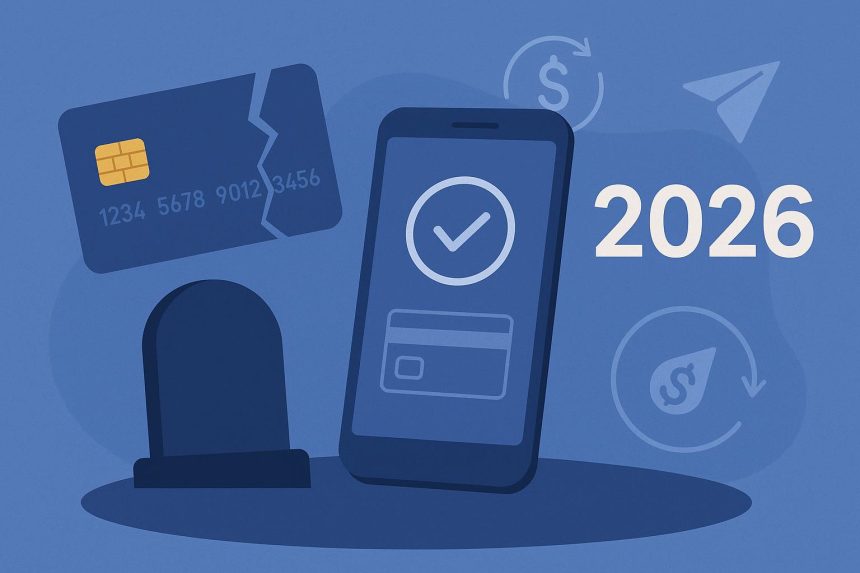
In 2026, that hesitation often comes down to something surprisingly simple: how easy it is to pay. The familiar ritual of typing in a 16 digit card number, expiry date, and security code is quickly fading into the background. In its place, a new standard is emerging, one built around speed, simplicity, and real time confirmation.
For digital platforms competing in crowded markets, payment experience is no longer just a backend function. It has become one of the most powerful drivers of user retention.
The Shift Away from Traditional Card Payments
For years, card payments dominated online transactions. They were convenient, widely accepted, and familiar. But they were never perfect. Manual entry introduced friction. Security concerns created hesitation. Failed transactions frustrated users.
Today’s users expect more. They want payments to feel invisible, instant, and secure without extra effort.
The rise of real time payment systems reflects this demand. From instant bank transfers to digital wallets and biometric authentication, the focus has shifted from process to experience.
According to insights from the Bank for International Settlements, real time payments are rapidly expanding across global markets, driven by consumer expectations for faster and more reliable financial interactions.
Why Payment UX Directly Impacts Retention
Retention is not just about keeping users interested. It is about removing every possible barrier that might push them away.
Payment is one of the most critical touchpoints in any digital journey. A slow or confusing process can undo all the effort invested in acquisition and engagement.
Here is how real time payment UX strengthens retention:
- Reduced friction
Fewer steps mean fewer opportunities for users to drop off. - Instant gratification
Immediate confirmation reinforces trust and satisfaction. - Higher confidence
Transparent and predictable transactions reduce anxiety. - Seamless repeat usage
Saved preferences and quick access encourage users to return.
In short, when payments feel effortless, users are more likely to stay.
The Psychology of Instant Transactions
Speed is not just a convenience. It is a psychological trigger.
When users complete a transaction and receive instant confirmation, it creates a sense of closure and reward. This positive reinforcement strengthens their connection to the platform.
Delayed payments, on the other hand, introduce uncertainty. Users begin to question whether the transaction went through, whether their data is secure, or whether the platform is reliable.
This uncertainty erodes trust. In competitive environments, even a small loss of confidence can lead users to explore alternatives.
The Rise of Embedded and Invisible Payments
One of the most significant trends shaping payment UX in 2026 is the move toward embedded payments.
Instead of redirecting users to external gateways, transactions are now integrated directly into the platform experience. This creates a smoother journey and minimizes disruption.
Examples include:
- One click payments using stored credentials
- Biometric authentication such as fingerprint or facial recognition
- Instant bank transfers without manual input
- Wallet based systems that eliminate the need for card details
These innovations reduce cognitive load. Users do not have to think about the payment process. It simply happens.
Trust, Transparency, and Control
While speed is essential, it must be balanced with trust.
Users want to know that their transactions are secure and that they have control over their finances. This is where transparency plays a crucial role.
Clear transaction summaries, real time notifications, and easy access to payment history all contribute to a sense of control.
Platforms that combine speed with clarity are better positioned to build long term relationships with their users.
For instance, users exploring digital entertainment or gaming platforms often prioritize services that clearly communicate payment processes and reliability. Resources like Pokertube help users navigate options where payment efficiency and trust are central to the experience.
Mobile First Expectations
The dominance of mobile devices has further accelerated the decline of traditional card entry.
Typing long card numbers on small screens is inconvenient and prone to errors. Real time payment solutions are designed with mobile users in mind, offering streamlined interfaces and quick authentication methods.
This shift aligns with broader digital behavior. Users expect to complete tasks in seconds, whether they are ordering food, booking services, or engaging with entertainment platforms.
Payment UX that fails to meet these expectations risks being left behind.
Security as a Competitive Advantage
As payment systems evolve, security remains a top priority.
Modern solutions leverage advanced technologies such as tokenization, encryption, and biometric verification. These measures not only protect users but also enhance their confidence in the platform.
Importantly, security is no longer just a technical requirement. It is a key part of the user experience.
When users feel safe, they are more likely to complete transactions and return in the future.
Actionable Strategies for Businesses
For businesses looking to improve retention through payment UX, the following strategies can make a significant impact:
- Adopt real time payment options
Integrate systems that enable instant transactions and confirmations. - Simplify the checkout process
Minimize the number of steps required to complete a payment. - Optimize for mobile
Ensure that payment interfaces are intuitive and responsive on smaller screens. - Provide clear communication
Offer real time updates and transparent transaction details. - Prioritize security without adding friction
Use technologies that protect users while maintaining a smooth experience. - Test and refine continuously
Analyze user behavior and identify points of friction in the payment journey.
By focusing on these areas, businesses can turn payment UX into a powerful retention tool.
The Future of Payments
Looking ahead, the concept of payment will continue to evolve.
We are moving toward a world where transactions are seamlessly integrated into digital experiences. Users will no longer think about how they pay. They will simply expect it to work.
Emerging technologies such as open banking, decentralized finance, and AI driven fraud detection will further enhance speed, security, and personalization.
In this landscape, the platforms that succeed will be those that prioritize user experience at every level.
Final Thoughts
The 16 digit card is not disappearing overnight, but its dominance is fading.
In its place, real time payment UX is redefining what users expect from digital platforms. Speed, simplicity, and trust are no longer optional. They are essential.
For businesses, this shift presents both a challenge and an opportunity. Those who invest in seamless payment experiences will not only reduce friction but also build stronger, more loyal user bases.
Because in 2026, the easiest way to keep a user is to make paying feel effortless.

Lynn Martelli is an editor at Readability. She received her MFA in Creative Writing from Antioch University and has worked as an editor for over 10 years. Lynn has edited a wide variety of books, including fiction, non-fiction, memoirs, and more. In her free time, Lynn enjoys reading, writing, and spending time with her family and friends.