Homes in Billings face snow pressure, hail impact, strong winds, and intense summer sunlight. Local property owners should schedule a roof inspection before seasonal damage creates expensive structural issues.
These conditions demand materials with strong surfaces, tight seams, and proven weather resistance. Many professionals recommend TPO roofing in Billings, MT, when flat roofs require heat control and moisture protection. The right roofing system supports structural safety and reduces long-term repair expenses.
1. Metal Roofing Against Harsh Weather
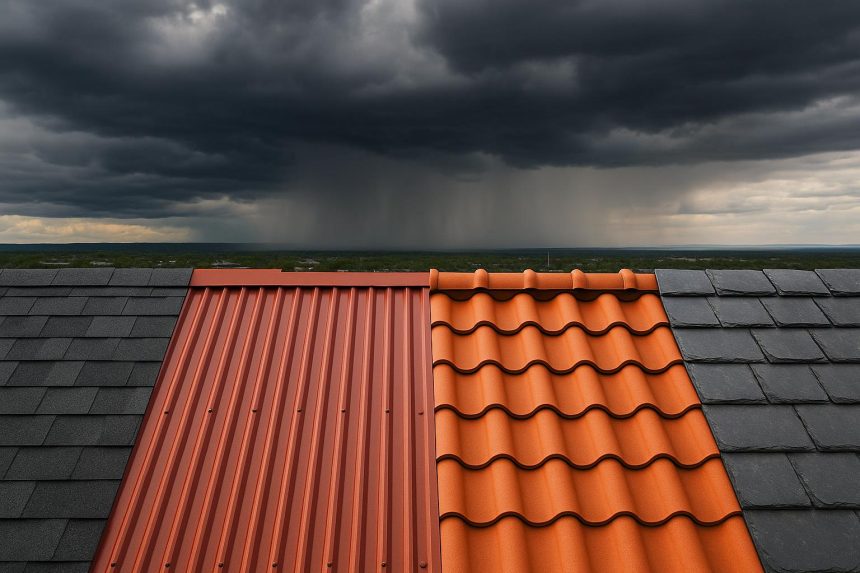
Metal roofing remains a dependable material option for properties exposed to extreme seasonal conditions. Steel panels resist hail impact, snow weight, and high wind pressure effectively. Protective coatings guard against rust, color fade, and gradual surface wear over time.
Interlocking seams create a secure barrier that limits moisture entry after storms. Many structures in Billings use metal roofing for extended service life. Proper fastening methods help maintain panel stability during strong wind events.
2. Asphalt Shingles With Strong Coverage
Asphalt shingles remain widely used because they provide steady performance at a practical cost. Architectural shingles contain thicker layers, which improve resistance against wind and hail. Granule surfaces protect the asphalt base from ultraviolet exposure and gradual deterioration.
A proper underlayment system supports consistent coverage through seasonal weather changes. Many residential properties in Billings depend on shingles for solid roof protection. Correct installation ensures proper alignment and reduces the risk of shingle displacement.
3. TPO Roofing Under Summer Heat
Flat and low-slope roofs require materials that manage heat and moisture with stability. Many property owners choose TPO roofing in Billings, MT, because it reflects sunlight and reduces indoor heat levels. Heat-welded seams create a tight seal that improves resistance against leaks.
The surface resists dirt buildup, moisture exposure, and minor physical damage across roof areas. Commercial buildings use this system for consistent roof performance. Routine inspections help preserve membrane strength and prevent early surface damage.
4. EPDM Roofing Amid Climate Stress
EPDM roofing performs well where temperature changes place continuous stress on surfaces. The rubber membrane maintains flexibility, which helps prevent cracks during cold conditions. Large sheet installation reduces seam count, which lowers the chance of leaks.
Its surface handles moisture exposure and weather pressure with consistent performance. Several commercial facilities in Billings use EPDM for extended durability. Proper seam adhesion supports long-term surface stability across wide roof sections.
5. Clay Tile Roofing With Long Lifespan
Clay tile offers dense material strength and extended service life under consistent conditions. Its surface resists sun exposure, moisture damage, and gradual structural wear. Individual tile placement allows direct repair when isolated damage occurs from impact.
Strong support systems remain necessary because tile carries substantial weight across roof structures. Select properties in Billings benefit from clay tile due to its durability. Regular inspections help identify cracked tiles before structural issues develop.
6. Slate Roofing During Severe Exposure
Slate provides natural strength and extended performance under severe environmental conditions. The stone resists fire, moisture, insects, and surface breakdown across many years. Dense composition supports structural integrity during snow, hail, and prolonged sun exposure.
Professional installation ensures proper placement and stable roof performance over time. Some high-end properties in Billings choose slate for long-term structural value. Proper maintenance helps preserve slate surface quality and prevents premature damage.
The selection of roofing material plays a key role in protecting structures against seasonal weather conditions. Property owners should consult experts when durable roofing systems appear suitable for their property needs. A strong roofing system supports extended service life, solid protection, and consistent structural performance.

Lynn Martelli is an editor at Readability. She received her MFA in Creative Writing from Antioch University and has worked as an editor for over 10 years. Lynn has edited a wide variety of books, including fiction, non-fiction, memoirs, and more. In her free time, Lynn enjoys reading, writing, and spending time with her family and friends.