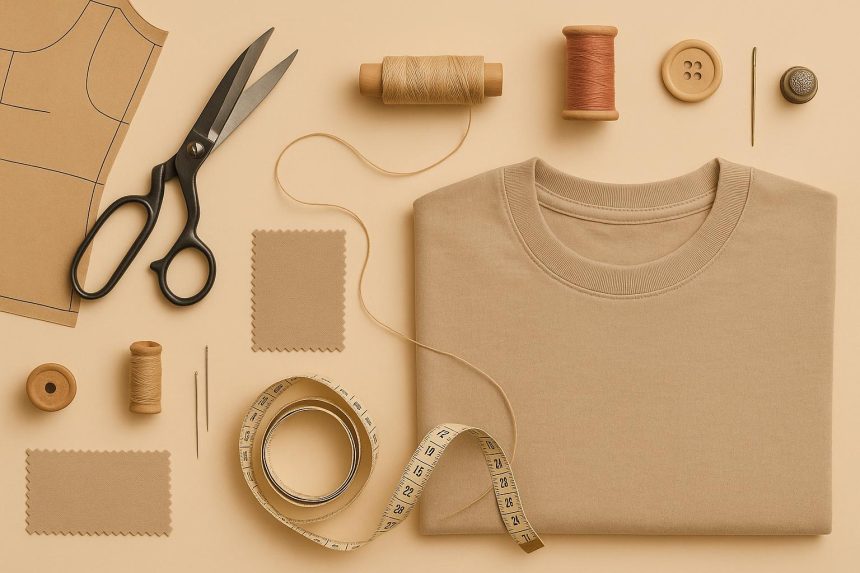
Launching your own clothing brand is an exciting journey that blends creativity, business strategy, and a dash of entrepreneurial courage. Whether you dream of high fashion, streetwear, or eco-friendly apparel, starting a brand requires careful planning and smart execution. Here’s a step-by-step guide to help you transform your vision into a thriving clothing line.
1. Define Your Brand Identity
Before you sew the first stitch, you need to clearly define your brand identity. Ask yourself:
- What story do I want my brand to tell?
- Who is my target audience?
- What makes my clothing line unique?
Your brand identity should reflect your values, aesthetic, and the lifestyle you want to promote. This will guide everything from your designs to your marketing strategy.
2. Conduct Market Research
Understanding your market is crucial. Analyze existing clothing brands and identify gaps or trends. Look at competitors’ pricing, materials, and marketing approaches. Market research helps you make informed decisions about your product line, pricing, and positioning.
3. Create Your Designs
With a clear brand identity, start designing your pieces. Sketch your ideas, experiment with fabrics, and develop prototypes. Consider collaborating with freelance designers or local artisans if needed. At this stage, focus on quality and coherence to ensure your collection aligns with your brand story.
4. Source Materials and Manufacturers
Finding reliable suppliers and manufacturers is key to turning your designs into actual products. Research local and international options, request samples, and compare costs. Building strong relationships with manufacturers can ensure consistent quality and timely delivery, which are essential for a professional brand.
5. Develop a Business Plan
A solid business plan is the backbone of any successful clothing brand. Outline your goals, target audience, pricing strategy, marketing plan, and financial projections. A well-thought-out plan not only keeps you organized but can also attract potential investors or partners.
6. Build Your Online Presence
In today’s digital world, a strong online presence is critical. Start by creating a professional website with an e-commerce platform to showcase and sell your clothing. Utilize social media platforms like Instagram, TikTok, and Pinterest to share your designs, tell your brand story, and engage with your audience. For small business owners, investing in digital marketing services for small businesses can amplify your reach and help your brand stand out in a competitive market.
7. Launch Your Brand
Once your designs are ready and your marketing channels are set, it’s time to launch. Consider a soft launch with a limited collection to test the market. Collect feedback, adjust your offerings, and refine your strategies before a full-scale launch. Hosting pop-up shops, collaborating with influencers, or running online giveaways can generate buzz and attract customers.
8. Scale and Grow
After a successful launch, focus on scaling your brand. Expand your collection, explore wholesale opportunities, or enter new markets. Keep innovating while maintaining the essence of your brand identity. Continuously engage with your audience through social media, newsletters, and exclusive offers to build a loyal customer base.
9. Stay Committed
Launching a clothing brand is a marathon, not a sprint. Challenges will arise, from production delays to market competition, but persistence, creativity, and strategic thinking will carry you forward. Stay true to your vision, adapt to trends wisely, and celebrate small victories along the way.
Starting a clothing brand can be immensely rewarding, blending artistic expression with entrepreneurial growth. By following these steps—defining your identity, researching the market, designing thoughtfully, building an online presence, and committing to growth—you’ll be well on your way to creating a brand that resonates with your audience and stands the test of time.

Lynn Martelli is an editor at Readability. She received her MFA in Creative Writing from Antioch University and has worked as an editor for over 10 years. Lynn has edited a wide variety of books, including fiction, non-fiction, memoirs, and more. In her free time, Lynn enjoys reading, writing, and spending time with her family and friends.