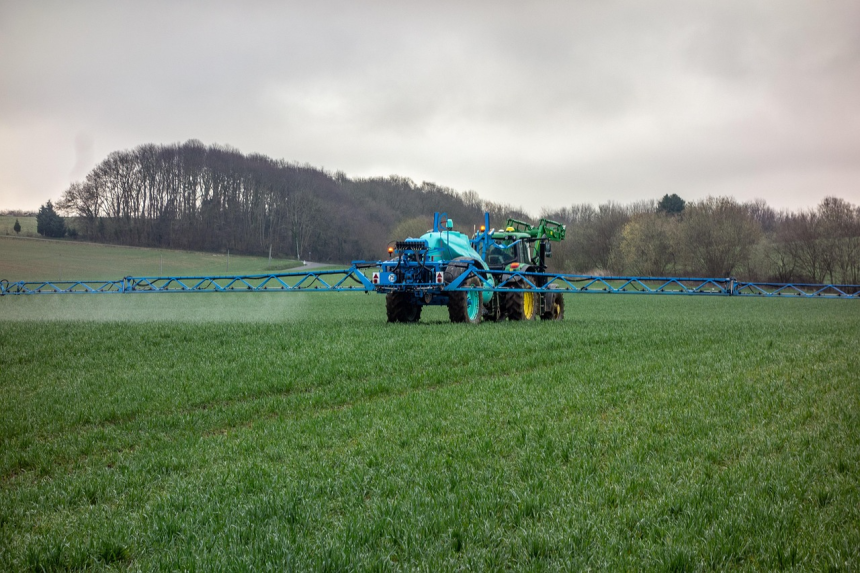
Well-preserved soils contain sufficient nutrients to support turfgrass growth. However, not all soils contain the nutrients your lawn needs to grow throughout the seasons. As a lawn grows, especially in its initial stages, it maximizes nutrient use. For that reason, you might want to increase nutrient levels to optimize growth.
Fertilizer formulated specifically for your lawn type keeps the grass healthy. The nutrients in these soils promote root and new leaf growth. It aids in recovery from pest damage and foot traffic. Fertilizers for lawns also replace lost nutrients during leaching while controlling weeds. The efficiency of law fertilizers depends on proper application.
This post highlights key strategies for effective fertilizer application that ensure optimal lawn growth. Read on to discover more.
1. Use the Ideal Fertilizer for Your Lawn Type

Many types of fertilizer are available for sale today. You must select the ideal fertilizer for your lawn type. Consider slow-release nitrogen fertilizers, as they feed your lawn more evenly. Also, they minimize growth flushes that make mowing challenging.
Unless it is unavoidable, avoid fast-acting, high-nitrogen fertilizers. They accelerate growth, leading to softer leaf tissue. Consequently, the leaves are more vulnerable to insect damage and disease.
As with slow-release fertilizers, they have an intentional coating to regulate fertilizer release over extended periods. Therefore, while fertilizers might be more expensive, their effectiveness in protecting the lawn and optimizing growth makes them a worthy choice.
However, property owners who are unsure about selecting the best products can benefit from professional guidance. This is especially true in regions like Basking Ridge where soil conditions and seasonal lawn care needs can vary.
So, turning to lawn care in Basking Ridge can help ensure the right fertilizer choices and proper lawn maintenance practices. The professional service providers offer family-friendly services and unmatched customer support. Thus, you can expect lush, resilient grass that makes your property more appealing.
2. Apply the Fertilizer in the Right Areas
Fertilizer application should never be a rushed, all-or-nothing decision. Instead, it is important to target the right areas to maximize effectiveness. Begin by focusing on actively growing sections of your lawn—areas with healthy grass that can benefit from an added boost in greenness and thickness.
You should also prioritize open turf areas that receive adequate sunlight and regular watering, as these conditions allow nutrients to be absorbed more efficiently into the soil. Even sections that appear healthy can still benefit significantly from proper fertilization.
When applied correctly, fertilizer strengthens root systems and promotes overall lawn density. Lawn care professionals often recommend treating the lawn evenly to maintain consistent texture and color. At the same time, it is essential to give extra attention to problem areas such as thin patches, compacted soil, poor-quality ground, and high-traffic zones, where nutrient depletion is more likely. Fertilizing these areas can significantly improve grass recovery and growth speed.
3.Understanding N-P-K Ratios and What Fertilizer Numbers Really Mean
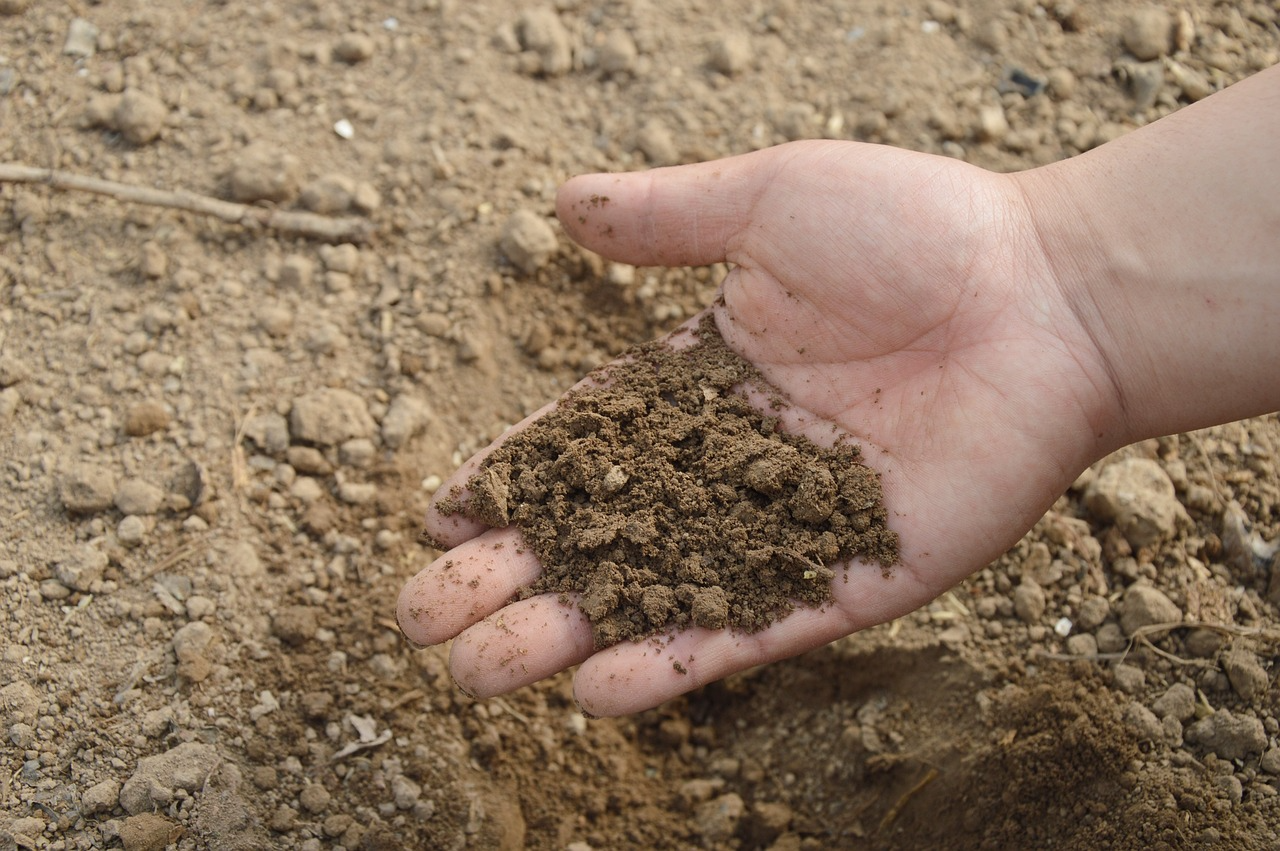
The numbers on a fertilizer label are more important than they may first appear. They indicate the percentage of three key nutrients: nitrogen, phosphorus, and potassium, commonly abbreviated as N-P-K. A typical label, such as 25-5-10 or 20-5-10 shows the exact nutrient composition of the product. For example, a 20-5-10 fertilizer contains 20% nitrogen, 5% phosphate, and 10% potassium, which are the primary nutrients essential for healthy lawn growth. The remaining portion of the bag consists of filler material that helps ensure even distribution of nutrients.
A 25-5-10 blend is often used as a standard formula for spring applications. Each nutrient plays a specific role in lawn health: nitrogen supports lush, green growth and encourages stem and blade development; phosphorus promotes strong root growth and seed germination; and potassium enhances overall plant health by improving nutrient transport, strengthening disease resistance, and boosting root development. It also helps the grass absorb nitrogen more efficiently, acting like a support system that increases resilience against stress, drought, and disease. Other common formulations include 15-0-30 and 20-10-10, each designed to meet different lawn care needs.
4. Apply Your Fertilizer at the Recommended Rate
Lawn fertilization is a game of precision. All fertilizer products have a recommended application rate. It is listed on the label as pounds per square foot. It usually ensures your lawn receives all the nutrients it needs without overwhelming your soil. Ignoring the manufacturer’s recommended rate can make your healthy lawn scorched and uneven.
Start by measuring the lawn area to know the amount of fertilizer needed. Use a spreader to apply your fertilizer evenly across the grass. Ensure to follow the product’s instructions to the letter. Professionals emphasize consistency in the fertilizer application. Remember, uneven application can cause dark green patches in some areas. It can also lead to weak growth in other plants.
Never apply more fertilizer than required. Extra fertilizer content can cause nutrient runoff and harm the surrounding environment. It can burn your grass and damage the roots. Likewise, applying less fertilizer than required rarely delivers the boost your grass needs to stay afloat. When you apply the fertilizer as required, the lawn absorbs maximum nutrients, leading to stronger roots and steady growth.
Wrapping Up
Are you seeking to improve the look and health of your lawn? A lush, green lawn requires continuing care and maintenance. Effective fertilization is the way to go to maximize the health and growth of your lawn. Understanding the basic tips for effective lawn fertilization can save you a great deal.
Start your fertilization journey by knowing which fertilizers to use for your lawn. Choose the best fertilizer for your lawn type, ensuring you understand its compatibility with your soil type. Ensure you apply the fertilizer the correct way, optimizing the spacing. Only apply where needed and at the recommended rate.

Lynn Martelli is an editor at Readability. She received her MFA in Creative Writing from Antioch University and has worked as an editor for over 10 years. Lynn has edited a wide variety of books, including fiction, non-fiction, memoirs, and more. In her free time, Lynn enjoys reading, writing, and spending time with her family and friends.