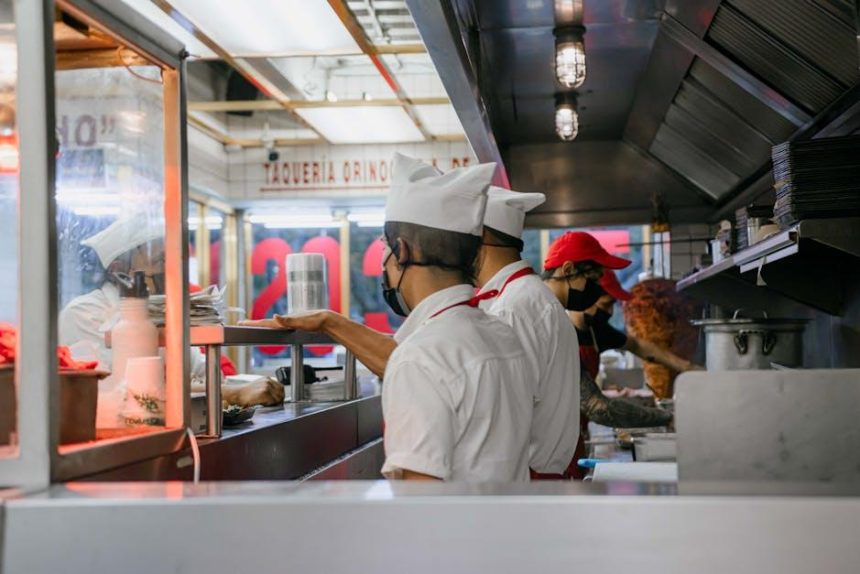
The fast-paced environment of a professional kitchen can be a hub of physical demands and potential injuries. Addressing these concerns is vital not only for the well-being of the staff but also for the efficient operation of a kitchen. Understanding ergonomics for kitchen workers is crucial in mitigating injuries and enhancing productivity. Ergonomics in this context refers to the design of workplaces and jobs intended to decrease unnecessary stress on the body, thereby reducing the risk of injury and improving workplace efficiency.
The Significance of Ergonomics in Kitchens
In commercial kitchens, tasks often involve repetitive motions, awkward postures, and prolonged exertion, all of which can lead to musculoskeletal disorders (MSDs). These disorders, prevalent in the food service industry, can have significant implications for employees’ health and business operations. By focusing on ergonomic principles, kitchens can create an environment that promotes safety, comfort, and efficiency.
Ergonomic interventions can encompass several aspects, such as equipment design, workflow adjustments, and staff training. The end goal is to minimise the risk of injuries, improve comfort, and ultimately, enhance job satisfaction and performance.
Common Ergonomic Challenges in Kitchen Settings
Repetitive Motion and Overuse
In a typical kitchen, tasks such as chopping, stirring, and lifting are repetitive and can lead to cumulative trauma disorders. Over time, these actions can cause strain on joints and muscles, most frequently affecting the hands, wrists, and shoulders. Implementing ergonomic changes, like improving the grip or using ergonomic tools, can alleviate these stressors.
Awkward Postures
The limited space and layout of many kitchen environments can force workers into awkward postures, such as twisting, reaching, or bending, reinforcing the need for ergonomic adaptations. Adjusting workstations to ensure tasks are at a comfortable height and within easy reach can significantly reduce the risk of injury.
Prolonged Standing
Long hours on one’s feet are a hallmark of kitchen work, leading to fatigue, back pain, and lower limb issues. Anti-fatigue mats can help alleviate pressure on the legs, while supportive footwear can contribute to overall foot health.
Implementing Ergonomic Solutions
Equipment Design and Layout
Ergonomic kitchen design starts with the consideration of equipment selection and layout. Appliances, countertops, and kitchen tools should be designed or selected to minimise strain. For example, adjustable counters or user-friendly kitchen gadgets can prevent excessive bending or exertion.
Organising the kitchen layout for optimal workflow is equally crucial. This means placing frequently used items within easy reach and organising workstations to facilitate a natural flow of movement. Such changes can not only prevent injuries but also save time and increase productivity.
Training and Awareness
Training kitchen staff in ergonomic principles is essential for the successful implementation of ergonomic practices. This includes education on the correct posture, safe lifting techniques, and the proper use of equipment. With comprehensive training, staff can be more vigilant about their practices and make informed choices about their movements and habits.
Moreover, encouraging a culture of shared responsibility for workplace safety can lead to sustained adherence to ergonomic practices. Staff can share insights and suggest improvements that cater to their specific experiences and challenges.

The Role of Technology
Technology plays a pivotal role in advancing ergonomic solutions in kitchen environments. For instance, the use of automated kitchen equipment that can perform repetitive tasks minimises the need for manual labour. New technologies, such as adjustable-height workstations and robotic arms, are being integrated into modern kitchens, contributing to a more ergonomic setting.
Modelling software can also analyse workflow and movement in a kitchen setting, identifying areas for improvement. This analytical approach allows for a data-driven understanding of ergonomics needs, leading to more targeted and effective interventions.
Long-term Benefits and Industry Impact
Investing in ergonomic solutions is not merely about compliance or avoiding litigation; it equates to fostering a healthier, more productive workforce. Kitchens that prioritise ergonomics often see reduced absenteeism due to injury, lower employee turnover rates, and improved morale. Healthier employees are likely to be more efficient and produce better quality work, directly impacting the bottom line.
Furthermore, attention to ergonomics is increasingly being recognised as indicative of a business’s commitment to responsible and sustainable practices. As such, ergonomics can be leveraged as part of a broader strategy to enhance the reputation and appeal of a culinary establishment.
Addressing the needs of kitchen workers through ergonomic practices is an ongoing process that involves commitment and collaboration at multiple levels within an organisation. By embracing the principles outlined, kitchens can not only protect their staff but also ensure the consistent and efficient delivery of their culinary offerings.

Lynn Martelli is an editor at Readability. She received her MFA in Creative Writing from Antioch University and has worked as an editor for over 10 years. Lynn has edited a wide variety of books, including fiction, non-fiction, memoirs, and more. In her free time, Lynn enjoys reading, writing, and spending time with her family and friends.