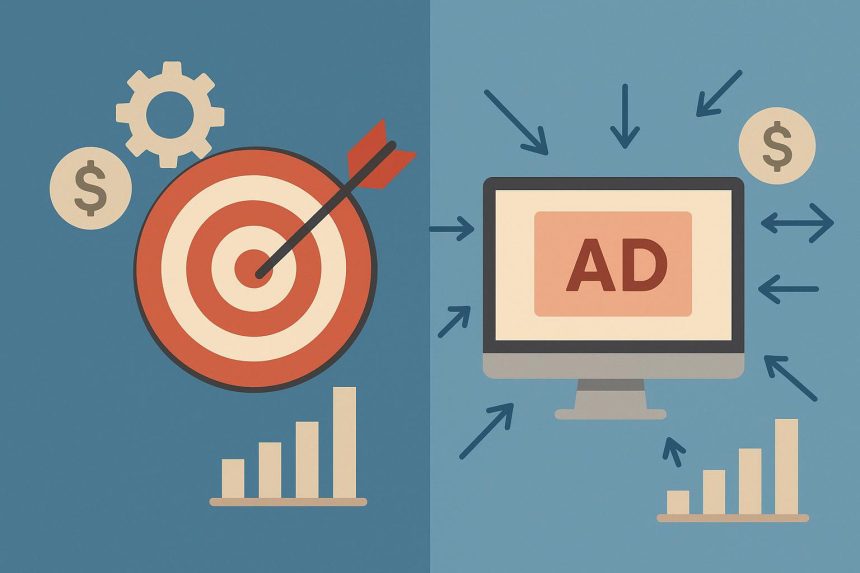
Marketing budgets disappear fast when ads land in front of the wrong people. Broad campaigns throw messages at huge crowds, hoping volume alone will produce sales. Targeted marketing works differently, directing spend toward buyers who actually want what a brand sells. That distinction changes return on investment in ways finance teams notice. Companies that study their audience closely tend to see better results, lower cost per lead, and more connected campaigns.
The Core Difference Between Targeted And Generic Advertising
Generic ads push the same message to millions, paying little attention to who might care. A primetime television spot reaches plenty of eyes, but most viewers have zero interest in the product. Targeted marketing flips that logic, pulling in data about demographics, browsing patterns, location, and previous purchases to match ads with the right segment.
Brands that work with Digital Strike – Targeted Marketing benefit from advanced audience segmentation and data-driven strategies that ensure campaigns reach the most relevant prospects instead of casting a wide, unfocused net.
A report from eMarketer found that personalized campaigns produce transaction rates six times higher than generic versions. The gap widens when brands layer behavioral data onto intent signals. Studying how audiences actually behave lets marketers write copy that feels useful instead of pushy, which shifts click-through rates and conversions in their favor.
Why ROI Improves With Precision Targeting
Every advertising dollar carries a job to do. Wide-reaching campaigns often burn money on impressions that go nowhere, while precision marketing trims that waste by showing ads only to viewers with clear intent or interest. Working with agencies such as Digital Strike gives brands access to segmentation methods that tighten audience definitions and sharpen delivery for steady growth. Fewer wasted impressions mean better leads reaching the sales pipeline.
HubSpot research shows that segmented email campaigns can lift revenue by up to 760 percent. Those numbers hold up because focused messages reach people who already care about the subject. Precision also reduces acquisition costs, since spending focuses on prospects who show genuine buying signals.
Data-Driven Personalization Drives Engagement
Personalization depends on data, and data depends on careful analysis. Marketers who track purchase histories, page visits, and engagement behavior can shape content that feels as if it were written for one reader. Instapage found that personalized landing pages convert 202 percent better than their generic counterparts.
Behavioral Signals Matter
Behavioral targeting reads actions like clicks, cart additions, and video completions to guess what a shopper wants next. Such signals reveal intent more clearly than age or gender alone. Someone who abandons a full cart needs a different nudge than a casual browser, so matching messages to each situation lifts recovery rates and keeps buyers engaged longer.
Geographic And Temporal Relevance
Location data adds another layer of sharpness. Ads shown to people in Austin, Seattle, or Miami can reference local weather, events, or cultural touchpoints. Timing plays an equal role, since a coffee ad at 7 a.m. pulls far better numbers than the same creative at 9 p.m. These small contextual touches make marketing feel timely rather than random.
Cost Efficiency And Budget Allocation
Broad advertising forces companies to pay for views that may never generate a sale. Targeted strategies steer budget toward high-intent audiences, letting every dollar reach further. WordStream reported that tightly focused pay-per-click campaigns lowered cost-per-click by roughly 50 percent compared with broad-match setups.
Smaller budgets gain the most from this shift. Startups and mid-sized companies rarely have millions to spend on awareness plays. Directing tighter funds toward qualified prospects delivers stronger returns and builds a base for lasting growth. Over several quarters, those efficiencies stack up, handing disciplined brands a clear edge in crowded categories.
Measuring Success Beyond Impressions
Impressions by themselves tell only half a story. Click-through rates, conversion rates, cost per acquisition, and customer lifetime value show what actually happened after someone saw an ad. Targeted marketing tends to produce cleaner numbers across each of these because every touchpoint comes from a pre-qualified viewer.
Google Analytics, CRM software, and attribution platforms help marketers track which channels drive real revenue. That clarity supports quicker adjustments, sharper forecasts, and smarter budget calls for the next round of campaigns.
Conclusion
Broad advertising still has a role, but precision methods continue to deliver stronger returns for brands willing to invest in the work. Matching messages to intent, behavior, and context changes how audiences react. Companies that lean into data-driven targeting see lower costs, better conversions, and longer customer relationships. Those advantages compound over time, which makes focused marketing a smart choice for any business chasing measurable growth. The real question now is how sharply a brand can aim.

Lynn Martelli is an editor at Readability. She received her MFA in Creative Writing from Antioch University and has worked as an editor for over 10 years. Lynn has edited a wide variety of books, including fiction, non-fiction, memoirs, and more. In her free time, Lynn enjoys reading, writing, and spending time with her family and friends.