Key Takeaways
- Medicare and Medicaid fraud encompasses various deceptive practices that result in significant financial losses.
- Understanding common fraud types helps identify and prevent fraudulent activities.
- Recent enforcement actions highlight the government’s commitment to combating healthcare fraud.
Table of Contents
- Billing for Services Not Rendered
- Upcoding and Unbundling
- Kickbacks and Referral Fraud
- Medical Identity Theft
- Phantom Billing
- Durable Medical Equipment Fraud
- Home Healthcare Fraud
- Recent Enforcement Actions
- Conclusion
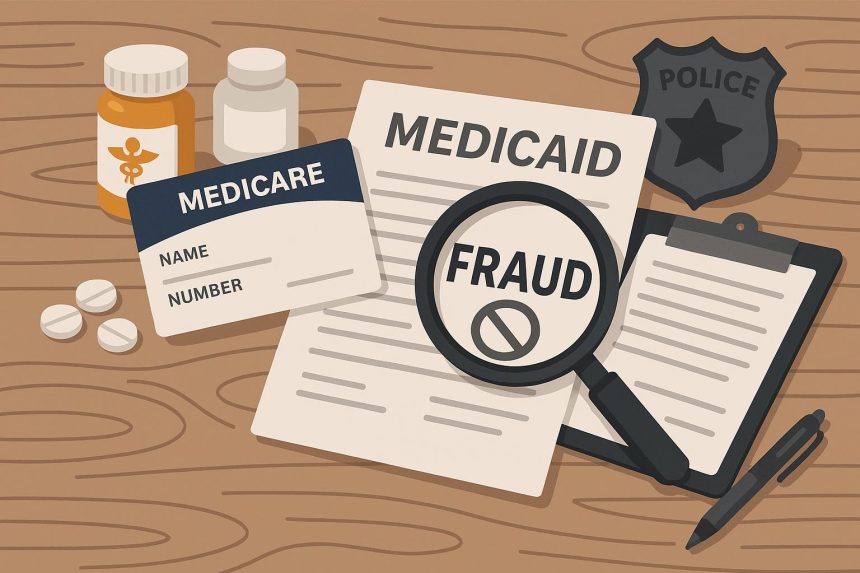
Medicaid and Medicare are cornerstones of the American healthcare system, providing vital coverage to millions. However, these programs are also frequent targets for fraud. Fraudulent claims drive up costs, drain public resources, and can ultimately reduce access to care for legitimate patients. Recognizing and fighting these schemes is not only the responsibility of federal agencies but also of patients, providers, and advocates. If you suspect wrongdoing, consider consulting a Medicare fraud whistleblower attorney for guidance on reporting and addressing fraudulent activities.
The financial impact of Medicare and Medicaid fraud runs into billions every year, putting added strain on the nation’s healthcare budget. Common schemes include billing for services never provided, falsifying diagnoses, or offering illegal kickbacks. Staying informed about the most frequent types of fraud is essential for protecting patients and preserving program integrity.
Efforts to reduce fraud have ramped up significantly in recent years, with both federal and state agencies deploying new technologies, analytics, and enforcement teams to catch wrongdoers. Patients and healthcare professionals who understand the basics of these fraudulent practices are better equipped to notice red flags in their own interactions and medical records and can act accordingly.
Education and vigilance are the first lines of defense against fraudulent claims. The more aware the community is of these tactics, the more power it has to identify and stop fraud before it causes harm.
Billing for Services Not Rendered
One of the most widespread types of Medicare and Medicaid fraud involves billing for services, treatments, or procedures that were never actually performed. Fraudsters may submit entirely false claims or exaggerate the frequency and extent of services provided. This practice leads to significant losses, diminishes available funding for legitimate care, and can even put patients at risk if inaccurate records are used in future care. Over time, these fraudulent activities can also increase healthcare costs for taxpayers and undermine public trust in government-funded healthcare programs.
Upcoding and Unbundling
Upcoding occurs when a healthcare provider inflates a claim by using billing codes for more complex and costly services than those rendered. In contrast, unbundling refers to separating services that were billed together at a package rate and charging for each service individually. Both tactics constitute deceptive billing and violate Medicare and Medicaid rules, resulting in costly overpayments by government payers.
Kickbacks and Referral Fraud
The federal Anti-Kickback Statute makes it illegal to knowingly offer, pay, solicit, or receive anything of value to induce or reward referrals for services or items covered by Medicare or Medicaid. Kickbacks undermine the integrity of the healthcare system because they can result in medically unnecessary or even harmful treatments, and artificially inflate program expenses. Both parties involved in such arrangements risk criminal prosecution and exclusion from federal healthcare programs.
Medical Identity Theft
Medical identity theft is a rapidly growing problem in the healthcare sector. Fraudsters use another person’s identifying information, such as their Medicare or Medicaid number, to obtain prescriptions, medical treatments, or medical equipment. Victims of medical identity theft may find their medical records compromised or face bills for services they never received. Protecting your healthcare information and monitoring for unfamiliar charges can reduce risk.
Phantom Billing
Phantom billing is yet another fraudulent approach that often overlaps with billing for services not rendered. In this scheme, healthcare providers create claims for treatments, diagnostic tests, or supplies that patients never received. These falsified claims can involve fake patients or legitimate patients whose identities are misused. Phantom billing not only drives up healthcare costs but also contributes to data inaccuracies that can affect patient care in the long term.
Durable Medical Equipment Fraud
Durable Medical Equipment (DME), such as wheelchairs, walkers, and respiratory devices, is essential for many beneficiaries. Unfortunately, unscrupulous operators in this field often bill for DME that is medically unnecessary, never ordered by a physician, or never delivered to the patient. Equipment fraud is a common target for enforcement actions and continues to result in substantial losses in both Medicare and Medicaid.
Home Healthcare Fraud
Home healthcare fraud can involve billing for unprovided services, exaggerating patient needs to inflate the scope of care, or falsifying documentation about home visits. This area is particularly vulnerable, as home visits are less subject to routine oversight compared to institutional care. Ensuring accurate records and reporting any suspicious activities can help mitigate this risk.
Recent Enforcement Actions
Federal agencies continue to ramp up their efforts to fight Medicare and Medicaid fraud. In 2025, the Department of Justice announced the largest healthcare fraud takedown in U.S. history, uncovering $14.6 billion in fraudulent claims. These sweeping operations targeted schemes involving fake patients, unnecessary procedures, telehealth services, and fraudulent DME claims.
The Centers for Medicare and Medicaid Services (CMS) has also implemented a comprehensive three-pronged strategy to identify high-risk providers, scrutinize questionable claims, and use data analytics to spot emerging fraud trends. These coordinated actions have proven instrumental in discouraging new and repeat offenders.
Conclusion
Detecting, preventing, and reporting Medicare and Medicaid fraud is essential for protecting both patients and public funds. By understanding the various forms of fraud and staying vigilant for suspicious activity, healthcare providers, beneficiaries, and advocates can collectively ensure that these essential programs remain available and effective for all who need them.

Lynn Martelli is an editor at Readability. She received her MFA in Creative Writing from Antioch University and has worked as an editor for over 10 years. Lynn has edited a wide variety of books, including fiction, non-fiction, memoirs, and more. In her free time, Lynn enjoys reading, writing, and spending time with her family and friends.