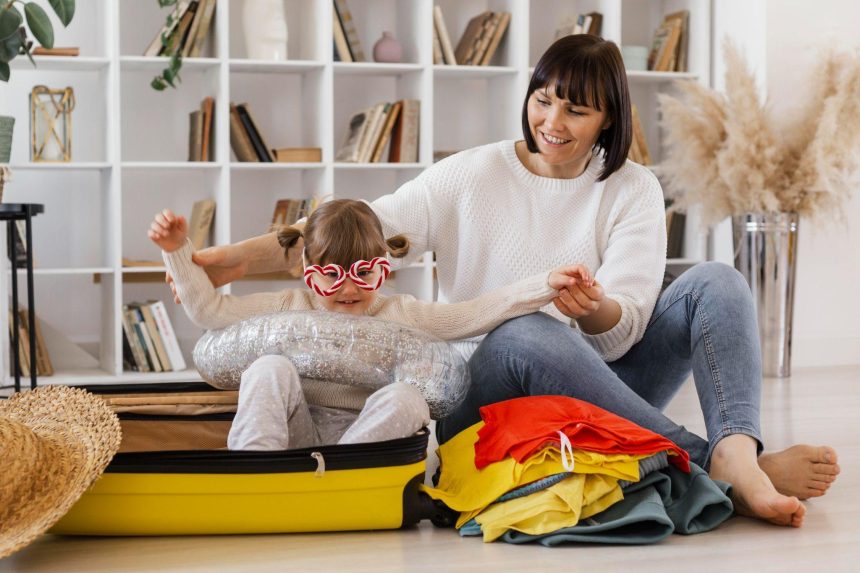
Traveling with young children can be one of the most rewarding experiences for families. It creates lasting memories, introduces kids to new places and cultures, and gives everyone a chance to break away from everyday routines. However, if you’ve ever traveled with toddlers or preschoolers, you know that packing can feel like a major challenge.
Unlike solo travel or even trips with older children, traveling with little ones requires a careful balance. Pack too much, and you’ll spend the entire trip hauling around heavy bags. Pack too little, and you may find yourself scrambling to replace essential items while away from home.
The good news is that smart packing isn’t about bringing everything your child might possibly need. It’s about bringing the right things in an organized, thoughtful way. With a little preparation, you can reduce stress, stay organized, and focus more on enjoying your journey.
Start With Comfort Items
One of the biggest mistakes parents make is overlooking the emotional side of travel. New environments, unfamiliar beds, different schedules, and long travel days can feel overwhelming for young children.
Before packing anything else, think about the items that help your child feel safe and comfortable. This often includes favorite blankets, bedtime books, pacifiers, or their favorite turtle stuffed animal. A familiar blanket or stuffed animal can be especially valuable during flights, long car rides, or hotel stays because it provides a sense of security when everything else feels new.
While it may be tempting to leave treasured comfort items at home to avoid losing them, many parents find that bringing them significantly reduces travel-related anxiety and makes transitions much smoother.
Create a Packing Checklist Before You Start
Packing for children becomes much easier when you work from a checklist.
Instead of pulling items from around the house at the last minute, create categories such as:
- Clothing
- Toiletries
- Sleep essentials
- Feeding supplies
- Entertainment
- Travel documents
- Health and safety items
A checklist helps prevent forgotten items and reduces the mental load that often comes with preparing for a family trip.
Consider saving your checklist digitally so you can update and reuse it for future vacations.
Pack Outfits, Not Individual Clothing Items
One common source of packing stress is trying to estimate how many shirts, pants, socks, and pajamas your child might need.
A better strategy is to pack complete outfits.
For example:
- Day 1 outfit
- Day 2 outfit
- Day 3 outfit
- Travel day outfit
Grouping clothing by day makes it easier to stay organized and speeds up getting dressed while traveling.
Packing cubes can be especially helpful for this method. Each cube can contain a complete outfit, making it easy to grab exactly what you need without digging through an entire suitcase.
Always Bring Extra Clothes in Your Carry-On
Even if you’re checking luggage, every parent should keep extra clothing in an easily accessible bag.
Unexpected situations happen frequently when traveling with young children:
- Food spills
- Motion sickness
- Bathroom accidents
- Weather changes
- Lost luggage
Pack at least one full change of clothes for each child in your carry-on or day bag. If you’re traveling with infants or toddlers, consider bringing two changes.
Parents may also want an extra shirt for themselves. Many experienced travelers have learned this lesson the hard way after an unexpected spill or messy diaper change.
Use Packing Cubes to Stay Organized
Packing cubes can be game changers for family travel.
Instead of having one large suitcase filled with loose items, packing cubes create structure and organization.
You can separate items by:
- Child
- Clothing type
- Activity
- Day of the trip
This system helps you locate items quickly and keeps luggage organized throughout your journey.
When you’re managing multiple children, anything that reduces the time spent searching for items is worth considering.
Pack Snacks Strategically
Hungry children often become tired, frustrated, and impatient very quickly.
Smart parents know that snacks can help prevent many travel-related meltdowns.
Choose snacks that are:
- Easy to carry
- Low mess
- Filling
- Shelf-stable
Some popular options include:
- Crackers
- Pretzels
- Fruit pouches
- Granola bars
- Dried fruit
- Trail mix for older children
Rather than storing all snacks in one large bag, divide them into smaller portions. This makes them easier to access and helps control waste.
Keeping a variety of snack options available can be especially useful during flight delays, traffic jams, or unexpected schedule changes.
Keep Entertainment Within Reach
Long travel days can feel even longer for young children.
While tablets and electronic devices can be useful, they shouldn’t be your only source of entertainment.
Create a travel activity kit that may include:
- Coloring books
- Crayons
- Stickers
- Small puzzles
- Activity books
- Card games
- Picture books
Rotate activities throughout the journey to keep children engaged.
Introducing a few new toys can also be effective because novelty often captures a child’s attention longer than familiar items.
Remember that entertainment should be packed in carry-on bags rather than checked luggage.
Bring a Small Medical Kit
Minor illnesses and injuries don’t stop simply because you’re on vacation.
A compact travel medical kit can help you handle common situations without searching for a pharmacy in an unfamiliar location.
Consider including:
- Bandages
- Children’s pain reliever
- Thermometer
- Allergy medication
- Antiseptic wipes
- Prescription medications
- Motion sickness remedies if needed
Store medications in their original packaging and verify any travel requirements if you’re flying internationally.
Having basic medical supplies readily available can provide peace of mind throughout your trip.
Plan for Sleep Success
Sleep disruptions are one of the biggest challenges families face while traveling.
Children who are overtired often struggle with mood, behavior, and overall enjoyment of the trip.
To support healthy sleep:
- Pack familiar bedtime items
- Maintain parts of your normal bedtime routine
- Bring favorite books
- Use portable white noise devices if helpful
- Pack pajamas that match the destination’s climate
Even if your schedule changes while traveling, maintaining a few familiar bedtime rituals can help children settle more easily in new environments.
Don’t Overpack Diapers and Wipes
Many parents assume they need to pack every diaper and wipe they’ll use during their entire vacation.
In reality, diapers and wipes are often available at your destination.
For shorter trips, bringing enough supplies may make sense. For longer vacations, consider packing only what you’ll need for travel days plus a small buffer.
This approach saves luggage space and reduces the weight you’re carrying.
Research local stores ahead of time so you know where additional supplies can be purchased if necessary.
Choose Versatile Clothing
Children’s clothing can take up a surprising amount of luggage space.
Focus on versatile pieces that can be mixed and matched.
Look for:
- Neutral colors
- Lightweight layers
- Comfortable fabrics
- Weather-appropriate options
Layering is especially useful because it allows you to adjust for changing temperatures without packing excessive clothing.
Remember that many accommodations provide laundry facilities or nearby laundry services, making it unnecessary to pack an outfit for every possible scenario.
Keep Important Documents Accessible
Travel documents should never be buried at the bottom of a suitcase.
Store essential items in a dedicated travel folder or organizer.
Depending on your destination, this may include:
- Passports
- Identification
- Boarding passes
- Travel insurance information
- Emergency contacts
- Hotel confirmations
- Medical information
Having everything in one easily accessible location reduces stress during check-ins, security screenings, and unexpected situations.
Digital backups can provide additional security if physical documents are misplaced.
Prepare for Unexpected Delays
Family travel rarely goes exactly according to plan.
Flights get delayed. Traffic appears unexpectedly. Weather changes.
Smart packing means preparing for flexibility.
Include:
- Extra snacks
- Water bottles
- Small toys
- Chargers
- Backup clothing
- Comfort items
These simple additions can make a significant difference when travel plans encounter disruptions.
Parents who plan for delays often feel more relaxed and better equipped to handle surprises.
Let Older Children Help Pack
If your children are old enough, involve them in the packing process.
Giving children age-appropriate responsibilities can:
- Build excitement
- Encourage independence
- Reduce forgotten items
- Teach organizational skills
Younger children might choose a few toys or books, while older kids can help create their own packing checklist.
When children participate in packing, they often feel more invested in the trip and more responsible for their belongings.
Focus on Essentials, Not “Just in Case” Items
One of the biggest causes of overpacking is the temptation to prepare for every possible scenario.
While it’s important to be prepared, bringing too many “just in case” items often creates unnecessary stress and clutter.
Ask yourself:
- Can this be purchased if needed?
- Is this likely to be used?
- Does it serve multiple purposes?
Traveling lighter makes transportation easier, hotel check-ins faster, and family outings more enjoyable.
The goal isn’t perfection. The goal is having what you genuinely need while maintaining flexibility.
Final Thoughts
Traveling with young children may require extra preparation, but smart packing can dramatically improve the experience. By focusing on organization, comfort, and practicality, parents can reduce stress and create a smoother journey for everyone involved.
Remember that successful family travel isn’t about bringing everything from home. It’s about packing thoughtfully, anticipating your child’s needs, and leaving room for spontaneity and adventure.
Whether you’re heading out for a weekend getaway, a road trip, or an international vacation, these smart packing strategies can help your family travel more confidently and comfortably. With the right preparation, you’ll spend less time worrying about what you packed and more time creating memories that will last for years to come.

Lynn Martelli is an editor at Readability. She received her MFA in Creative Writing from Antioch University and has worked as an editor for over 10 years. Lynn has edited a wide variety of books, including fiction, non-fiction, memoirs, and more. In her free time, Lynn enjoys reading, writing, and spending time with her family and friends.