According to Juniper Research, global ecommerce fraud losses reached $48 billion in 2025 and are projected to hit $107 billion by 2029. These staggering figures force merchants to balance strict security with smooth checkout experiences to protect their margins. A declined transaction at checkout rarely brings a customer back into your sales funnel.
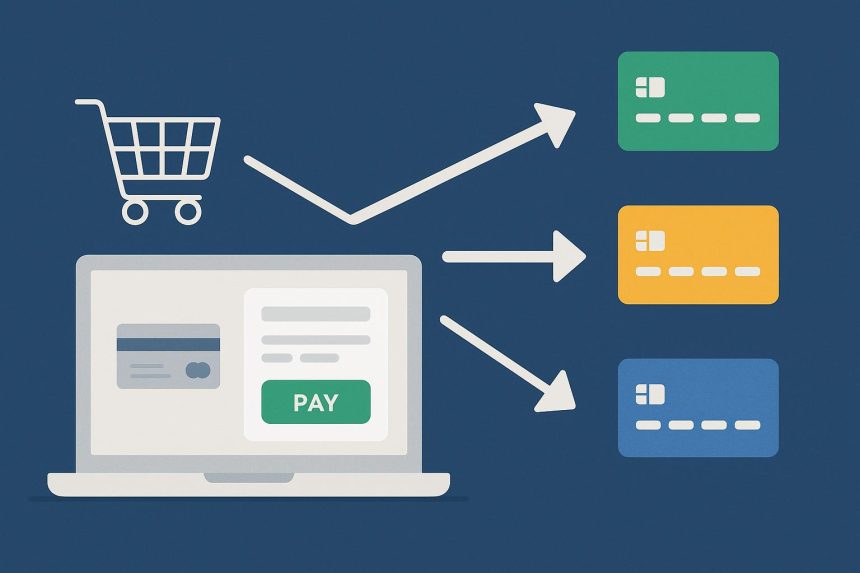
Smart routing in modern e-commerce payment gateways dynamically selects the best processing path to maximise success rates. This technology systematically reduces revenue loss from failed payments across various digital storefronts.
This blog explains how selecting the right architecture allows merchants to safeguard their customer acquisition investments seamlessly.
The core mechanics of transaction failures
Standard electronic payment systems rely on a single banking rail to process customer card charges. If that specific acquiring bank encounters unexpected downtime, the transaction fails immediately. The customer encounters an error screen that disrupts their premium shopping journey completely.
Technical glitches and bank timeouts contribute heavily to checkout drop-offs in digital retail. Outdated software frameworks cannot bypass these blockages without forcing manual customer re-attempts.
Legacy systems do not assess whether an acquiring platform is functioning optimally before sending data. This lack of visibility causes avoidable transaction failures during peak holiday traffic periods. Merchants suffer significant financial losses when buyers walk away from unresponsive checkouts.
Key capabilities of an e-commerce payment gateway with smart routing
Modern e-commerce payment gateways offer advanced capabilities that help businesses improve transaction success rates.
- Operational benefits for digital merchants
Implementing adaptive technology directly reduces cart abandonment across premium retail operations. Customers enjoy an uninterrupted checkout flow that builds deeper brand trust over time. High success rates ensure marketing investments translate directly into completed customer acquisitions.
Advanced e-commerce payment gateways minimise technical failures by distributing processing loads evenly. This load balancing protects digital storefronts from single points of system failure during flash sales. Merchants maintain consistent revenue streams even when major banking infrastructure experiences localised outages.
Optimised data routing reduces individual processing fees by choosing cost-effective banking channels automatically. Intelligent routing engines evaluate both financial transaction safety and commercial costs simultaneously. Businesses save substantial sums on high-volume transactions while boosting successful collections.
- Expanding options with multi-mode checkouts
Modern consumers expect diverse funding options when completing premium online transactions. Premium e-commerce payment gateways offer multiple payment modes, including EMI options and custom digital points. Providing flexible affordability choices helps brands convert high-value carts into confirmed sales.
Multi-mode payments allow buyers to divide single balances across two distinct payment methods seamlessly. If a consumer has an insufficient balance on one card, they can combine it with another asset. This flexibility reduces checkout friction and prevents sudden transaction drops due to personal funding limits.
Integrating extensive affordability suites lets merchants cater to diverse consumer demographics globally. Offering flexible credit solutions alongside standard banking options improves overall customer retention rates. Secure e-commerce payment gateway integrations ensure all multi-mode transactions remain perfectly compliant with data safety rules.
- Late authorisation and retries
Instant retries form a critical line of defence against sudden payment failures at online checkouts. When a payment processor flags a temporary network timeout, the platform triggers an immediate backup request. The system executes this secondary attempt behind the scenes before the customer abandons the page.
Sophisticated e-commerce payment gateways utilise late authorisation features to recover seemingly lost sales. This capability allows the system to hold pending transactions open while clarifying bank clearance states. Instead of declining the buyer immediately, the software verifies status updates asynchronously.
This automated recovery mechanism converts potential technical losses into completed business revenue. Shoppers experience fewer disruptions while merchants avoid the operational cost of chasing abandoned carts manually. Intelligent tracking and reconciliation tools provide complete visibility over these recovered funds.
Selecting a future-proof payment infrastructure
Building a resilient online store requires flexible, developer-friendly APIs and rapid onboarding processes. Modern e-commerce payment gateways must integrate smoothly with existing enterprise resource planning software.
Convenient settlements and competitive commercials allow digital enterprises to scale their operations efficiently. Comprehensive tracking dashboards provide real-time metrics on successful authorisations and routing paths. Payment gateways like Pine Labs Online also offer advanced reporting capabilities that help businesses gain greater visibility into transaction performance.
Data transparency enables managers to refine their commercial strategies with precise operational insights. Upgrade to an advanced e-commerce payment gateway to improve conversions and scale your business globally.

Lynn Martelli is an editor at Readability. She received her MFA in Creative Writing from Antioch University and has worked as an editor for over 10 years. Lynn has edited a wide variety of books, including fiction, non-fiction, memoirs, and more. In her free time, Lynn enjoys reading, writing, and spending time with her family and friends.