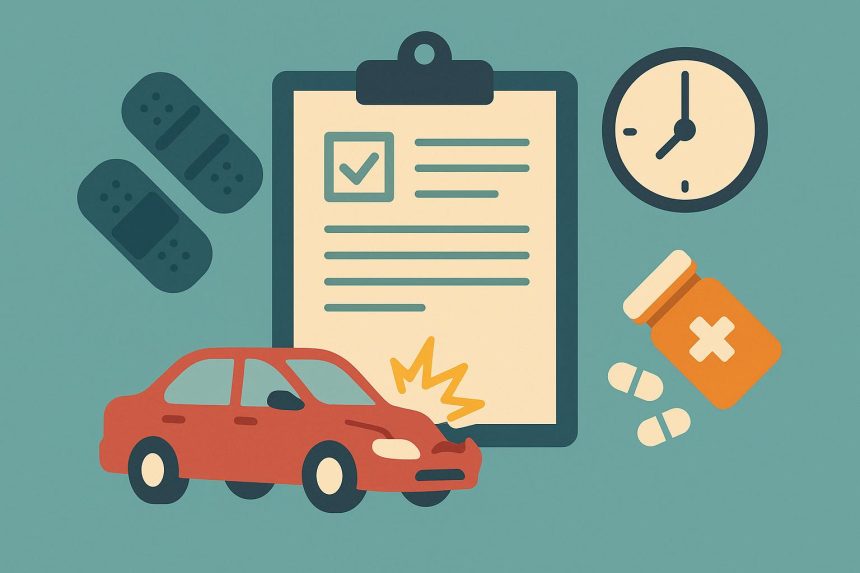
Most accidents happen without warning.
One second you’re focused on the road. Next, everything changes.
The collision itself may last only a few seconds, but the recovery process can stretch across weeks, months, or even years. For people recovering after a car accident, the challenges often extend far beyond vehicle repairs and insurance paperwork. Many people focus on fixing what is immediately visible, but successful recovery involves protecting your health, finances, and future.
In many ways, recovery after a car accident resembles overcoming a major setback in gaming. The outcome depends less on the event itself and more on the decisions made afterward.
Just as players develop strategies to recover from mistakes, accident victims benefit from a structured approach that supports both short-term and long-term recovery.
Recovery Starts With Understanding the Full Damage
Experienced gamers know that not every problem appears immediately.
A hidden weakness in a system may not show itself until hours later. The same principle applies after a vehicle collision.
Many accident-related injuries develop gradually. Neck pain, headaches, dizziness, and back discomfort may not appear until days after the incident.
Because of this, medical evaluation should be a priority even when injuries seem minor.
Prompt medical care helps identify hidden injuries while creating a clear record of when symptoms began. Early treatment can also reduce the risk of complications that might affect daily life, work, and recreational activities later.
Smart Recovery Steps
- Seek medical attention as soon as possible.
- Follow all treatment recommendations.
- Attend follow-up appointments.
- Keep records of symptoms as they develop.
- Monitor both physical and mental well-being.
The goal is not simply feeling better today. It is creating the best possible long-term outcome.
Documentation Matters More Than Most People Realize
Anyone who has ever lost game saves, corrupted files, or important system data understands the value of backups.
Accident recovery follows a similar principle.
Information disappears quickly after a crash. Vehicles get repaired. Witnesses become difficult to reach. Memories fade.
Building an organized recovery file can make future conversations with insurance companies, healthcare providers, and other parties significantly easier.
Important records include medical reports, repair estimates, insurance correspondence, receipts, photographs, and proof of missed work.
Good documentation transforms assumptions into facts.
Months later, many people wish they had saved more information, not less.
Insurance Claims Are a Process, Not a Race
In gaming, rushing through important decisions often creates bigger problems later.
The same can happen after an accident.
Insurance companies evaluate claims according to policy terms, documentation, and internal procedures. While many claims are resolved fairly, injured individuals should understand the importance of reviewing information carefully before making major decisions. Educational resources from the Insurance Information Institute can help consumers better understand how claims are reviewed and processed.
Quick settlements may appear attractive when expenses begin to pile up.
However, some injuries take time to fully understand. Symptoms can evolve, treatment plans may change, and recovery timelines are not always predictable.
Patience often leads to better decision-making.
Understanding the full impact of an accident before agreeing to a final resolution can help prevent unnecessary complications later.
Protect Your Digital Footprint During Recovery
Gamers spend a significant portion of their lives online.
That makes digital awareness especially important after an accident.
Social media posts, photos, videos, and online comments can sometimes be viewed in ways that were never intended.
A harmless photo at a family gathering or a gaming event may not accurately reflect someone’s physical condition, yet it could be interpreted differently by others reviewing a claim.
During recovery, it is often wise to think carefully before posting publicly.
Managing your digital presence is another way to protect your future.
Recovery Involves More Than Physical Healing
A car accident can affect nearly every aspect of life.
Medical expenses, missed work, transportation challenges, emotional stress, and disruptions to normal routines often create additional pressure long after visible injuries begin to heal.
For gamers, this may mean reduced screen time, difficulty sitting comfortably, slower reaction times, or limitations that affect favorite hobbies and activities.
Acknowledging these challenges is an important part of recovery.
The process extends beyond physical treatment. It includes rebuilding confidence, restoring routines, and adapting when necessary.
The Importance of Acting Early
Timing matters.
Medical treatment is often most effective when started promptly. Evidence is easiest to collect immediately after an incident. Important details are more accurate when documented early.
Being proactive does not mean making rushed decisions.
It means taking practical steps while information remains available and reliable.
Organization today can prevent frustration tomorrow.
Moving Forward
Most people think recovery begins when the accident ends.
In reality, recovery begins when informed decisions start.
The most successful recoveries are built on a combination of medical care, careful documentation, thoughtful decision-making, and long-term planning.
Whether you’re a gamer, a technology enthusiast, or simply someone navigating the aftermath of a collision, the same principle applies.
Recovery is not a single event.
It is a process.
The actions taken in the days immediately following an accident often have the greatest impact on the road ahead.

Lynn Martelli is an editor at Readability. She received her MFA in Creative Writing from Antioch University and has worked as an editor for over 10 years. Lynn has edited a wide variety of books, including fiction, non-fiction, memoirs, and more. In her free time, Lynn enjoys reading, writing, and spending time with her family and friends.