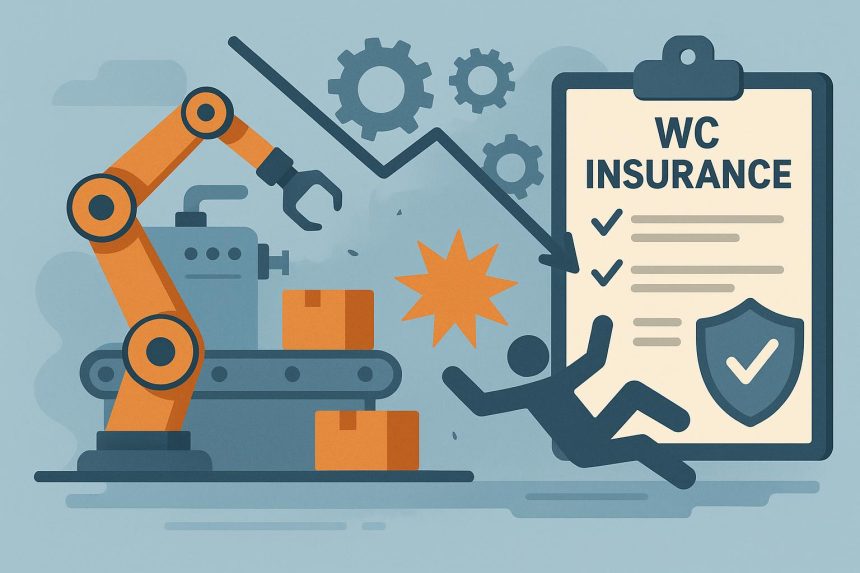
Workplace accidents not only hamper business operations but also result in huge costs. As a result, many employers in India purchase labour insurance plans. The plan will offer financial compensation to the injured employees in the event of workplace accidents.
However, to avoid workplace accidents, many businesses are utilising automation technology. In this guide, we will learn how automation can reduce workplace injury rates and its impact on workmen compensation (WC) policies.
Understanding the Importance of Automation In Workplace
Automation in the workplace generally refers to the use of digital tools, technology and software to perform repetitive and time-consuming manual tasks. By automating these processes, businesses can reduce manual effort, improve operational efficiency, minimise errors, and enable employees to focus on strategic, high-value activities.
Impact of Automation on Workplace Injury Rates
The use of automation technology has reduced workplace accidents and injuries. Here is an automation tool ensuring workers’ safety.
Potential Hazard Detection
One of the main benefits of using automation technology, such as Internet of Things (IoT) sensors and smart cameras, is the ability to monitor the workplace and identify potential hazards. This helps identify hazards such as gas leaks and equipment failures at an early stage. Early detection allows businesses to take immediate corrective action before accidents occur.
Improves Machine Safety
Modern automated equipment comes with built-in safety features such as emergency stop functions, automatic shutdown systems, collision detection, and safety guards. These features help prevent accidents caused by machine malfunctions or operator errors.
Minimises Human Errors
Most of the time, workplace accidents occur from fatigue, distraction, or manual mistakes. By using automation, businesses can perform repetitive tasks with consistent precision, reducing the chances of errors that could lead to injuries or property damage.
Enhances Ergonomic Safety
Automation helps in eliminating repetitive motions and excessive physical strain by taking over tasks such as lifting, carrying, sorting, and packaging. This helps reduce musculoskeletal disorders and repetitive strain injuries among employees.
Impact of Automation Technology on WC Policy
The growing adoption of automation technology has a significant impact on workplace safety and, consequently, on workers’ compensation insurance. Here are key reasons how automation technology influences the claims of WC policy online.
Fewer Compensation Claims
Automation reduces employees’ exposure to hazardous situations and minimises human error, leading to fewer workplace accidents. As a result, employers are likely to file fewer workers’ compensation claims.
Better Workplace Risk Profile
Businesses that invest in automation and modern safety technologies are often viewed as lower-risk workplaces. A strong safety record can improve an organisation’s overall risk profile during policy assessment.
Compliance with Safety Regulations
Automation helps businesses comply with occupational health and safety standards by monitoring safety protocols, recording inspections, and ensuring preventive maintenance. Strong compliance reduces the likelihood of regulatory penalties and workplace accidents.
Lower WC Policy Premium
Insurance providers generally reward businesses with better risk management systems and fewer labour insurance claims. Insurers evaluate a company’s claims history, workplace safety practices, and level of occupational risk when determining premiums.
Conclusion
The adoption of automation systems and technologies has grown significantly across construction, manufacturing and other high-risk industries. However, automation cannot eliminate every workplace hazard; it plays a crucial role in reducing injury rates and supporting better risk management.
Considering this, businesses should purchase a labour insurance plan from a reliable provider like TATA AIG. The plan safeguard business and employers against financial and legal liabilities.

Lynn Martelli is an editor at Readability. She received her MFA in Creative Writing from Antioch University and has worked as an editor for over 10 years. Lynn has edited a wide variety of books, including fiction, non-fiction, memoirs, and more. In her free time, Lynn enjoys reading, writing, and spending time with her family and friends.