Table of Contents
1. Understanding Cold Sores: More Than Just a Nuisance
2. The Herpes Simplex Virus: The Root Cause
3. Triggers for Cold Sore Outbreaks
4. The Impact of Frequent Cold Sores on Quality of Life
5. Introducing Aciclovir: A Powerful Antiviral Solution
6. How Aciclovir Works to Combat the Virus
7. Prescription Aciclovir vs. Over-the-Counter Options
8. Dosage Regimens and Administration of Aciclovir
9. Potential Side Effects and Important Considerations
10. Proactive Management and Long-Term Strategies
11. Taking Control: Accessing Prescription Aciclovir
1. Understanding Cold Sores: More Than Just a Nuisance
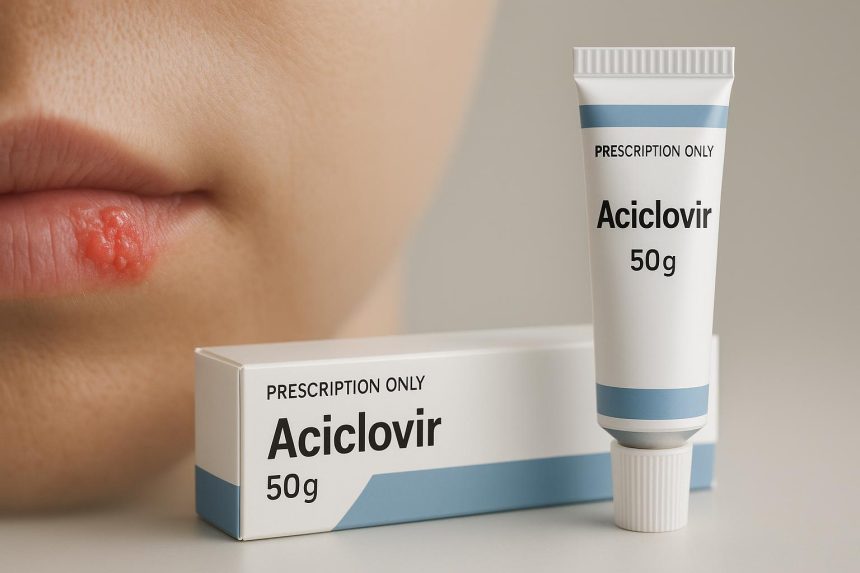
Cold sores, also known as fever blisters, are small, fluid-filled lesions that typically appear on or around the lips. While they often start with a tingling, itching, or burning sensation, they quickly progress to visible blisters that can be painful, unsightly, and highly contagious. For many, a cold sore is an occasional inconvenience, a temporary blemish that heals within a week or two. However, for a significant portion of the population, these outbreaks are a frequent, recurring problem, causing considerable distress and impacting daily life. Understanding the nature of cold sores is the first step towards effective management and finding lasting relief. These aren’t just superficial skin irritations; they are manifestations of a persistent viral infection that requires targeted treatment, especially when outbreaks become a regular occurrence.
2. The Herpes Simplex Virus: The Root Cause
The culprit behind cold sores is the Herpes Simplex Virus type 1 (HSV-1). It is estimated that a vast majority of the adult population worldwide carries HSV-1, often acquired during childhood through non-sexual contact, such as sharing utensils or kissing. Once infected, the virus does not leave the body. Instead, it establishes latency in nerve cells, specifically the trigeminal ganglion, which is a cluster of nerve cells near the brainstem. This means the virus lies dormant for extended periods, silently residing within the body without causing any symptoms. However, under certain conditions, the virus can reactivate, travel down the nerve pathways to the skin’s surface, and trigger a cold sore outbreak. This lifelong residency of the virus is why cold sores are a recurrent issue, and why understanding its lifecycle is crucial for effective treatment.
3. Triggers for Cold Sore Outbreaks
The reactivation of the dormant HSV-1 virus is often provoked by a variety of internal and external factors. Identifying and, where possible, avoiding these triggers can play a significant role in reducing the frequency of outbreaks. However, for many, these triggers are unavoidable aspects of life.
Common triggers include:
1. Stress: Both emotional and physical stress can weaken the immune system, providing an opportunity for the virus to reactivate.
2. Sunlight Exposure: Ultraviolet (UV) radiation from the sun is a well-known trigger. Spending time outdoors without adequate sun protection can lead to an outbreak.
3. Fever or Illness: Any condition that strains the immune system, such as a cold, flu, or other infections, can trigger a cold sore. This is why they are sometimes called “fever blisters.”
4. Hormonal Changes: Fluctuations in hormones, particularly those associated with menstruation, pregnancy, or hormone replacement therapy, can lead to outbreaks in some individuals.
5. Fatigue: Lack of sleep or general exhaustion can compromise the immune system’s ability to keep the virus in check.
6. Physical Trauma: Injury to the lips or surrounding skin, dental work, or cosmetic procedures can sometimes trigger an outbreak at the site of trauma.
7. Compromised Immune System: Individuals with weakened immune systems due to conditions like HIV/AIDS, organ transplantation, or certain medications are more susceptible to frequent and severe outbreaks.
Understanding these triggers allows individuals to take preventive measures, but for those with frequent outbreaks, additional medical intervention is often necessary.
4. The Impact of Frequent Cold Sores on Quality of Life
Beyond the physical discomfort, frequent cold sore outbreaks can have a profound negative impact on an individual’s quality of life. The visible nature of cold sores often leads to feelings of self-consciousness, embarrassment, and anxiety. Many people report avoiding social situations, cancelling plans, or feeling less confident during an active outbreak.
The psychological toll can include:
1. Social Isolation: Fear of judgment or spreading the virus can lead to withdrawal from social interactions.
2. Anxiety and Stress: The anticipation of an outbreak, the “prodromal” tingling phase, can be a source of significant anxiety, ironically sometimes triggering the outbreak itself.
3. Impact on Professional Life: Cold sores can affect professional appearances, leading to discomfort during presentations, meetings, or client interactions.
4. Physical Pain and Discomfort: The blisters can be painful, itchy, and sensitive, making eating, drinking, and even speaking uncomfortable.
5. Risk of Secondary Infection: Open sores are susceptible to bacterial infections, which can complicate healing and lead to more severe symptoms.
For individuals experiencing frequent outbreaks, defined as several times a year, the cumulative effect of these issues can be substantial, making effective treatment not just a matter of comfort but a necessity for overall well-being. This is precisely why seeking a robust solution like prescription Aciclovir becomes so important.
5. Introducing Aciclovir: A Powerful Antiviral Solution
When dealing with frequent and bothersome cold sore outbreaks, passive remedies and over-the-counter creams often fall short. This is where prescription-strength antiviral medications like Aciclovir come into play. Aciclovir is a potent antiviral drug specifically designed to combat the herpes simplex virus. It was one of the first effective antiviral medications developed and has a long-standing track record of safety and efficacy in managing herpes infections, including cold sores. Its mechanism of action is highly targeted, focusing on disrupting the viral replication process without significantly harming host cells, making it a cornerstone in the treatment of recurrent HSV-1 infections. For those who find themselves battling cold sores repeatedly, Aciclovir offers a significant step up from symptomatic relief, addressing the viral cause directly.
6. How Aciclovir Works to Combat the Virus
Aciclovir operates through a clever and highly specific mechanism that targets the herpes simplex virus. It is a guanosine analogue, meaning it structurally resembles a building block of DNA. When the virus reactivates and begins to replicate, it needs to synthesize new DNA to create new viral particles.
Here’s a simplified breakdown of its action:
1. Viral Activation: Aciclovir is a “prodrug,” meaning it’s inactive until it enters a cell infected with HSV.
2. Enzymatic Conversion: Inside the infected cell, a viral enzyme called thymidine kinase phosphorylates Aciclovir, converting it into its active triphosphate form (aciclovir triphosphate). This conversion happens much more efficiently in virally infected cells than in healthy cells, which is why Aciclovir has relatively few side effects on uninfected cells.
3. DNA Chain Termination: Aciclovir triphosphate then competes with natural guanosine triphosphate to be incorporated into the growing viral DNA chain by the viral DNA polymerase. Once Aciclovir is incorporated, it acts as a “false” building block, terminating the DNA chain synthesis because it lacks the necessary chemical structure for further nucleotides to attach.
4. Inhibition of Viral Replication: By halting viral DNA synthesis, Aciclovir effectively stops the virus from replicating and spreading, thereby reducing the severity, duration, and frequency of outbreaks.
This highly selective action makes Aciclovir exceptionally effective against HSV-1, preventing the virus from multiplying and minimizing the impact of an outbreak.
7. Prescription Aciclovir vs. Over-the-Counter Options
Many individuals initially turn to over-the-counter (OTC) remedies for cold sores, such as topical creams containing docosanol or benzocaine. While these can offer some symptomatic relief or slightly shorten an outbreak, their effectiveness is often limited, especially for frequent or severe cases.
Here’s why prescription Aciclovir often stands out as the superior choice:
1. Systemic Action: OTC creams are topical and only treat the surface symptoms. Prescription Aciclovir, taken orally, works systemically, meaning it travels through the bloodstream to reach the virus in the nerve cells where it lies dormant and actively replicates. This allows it to tackle the virus at its source.
2. Higher Potency: Prescription Aciclovir contains a significantly higher concentration of the active antiviral ingredient compared to any OTC options. This higher dosage is crucial for effectively inhibiting viral replication.
3. Prevention of Outbreaks: When taken preventatively (prophylactically) in a suppressive regimen, prescription Aciclovir can significantly reduce the frequency of outbreaks. OTC options do not offer this level of preventative power.
4. Reduced Severity and Duration: For an active outbreak, prescription Aciclovir, especially when started at the first sign, can dramatically reduce the pain, size, and healing time of cold sores more effectively than OTC alternatives.
5. Expert Guidance: Obtaining prescription Aciclovir requires a consultation with a healthcare professional, ensuring that the treatment is appropriate for your specific condition and medical history. Services like Post My Meds facilitate this, connecting patients with prescribers who can assess their needs and provide the right medication. This level of personalized care is not available with OTC products.
For those experiencing frequent cold sore outbreaks, the systemic and potent action of prescription Aciclovir provides a more comprehensive and effective solution than anything available without a doctor’s order.
8. Dosage Regimens and Administration of Aciclovir
Aciclovir can be prescribed in various dosage regimens depending on the severity and frequency of cold sore outbreaks, as well as whether the goal is to treat an active outbreak or prevent future ones. It is crucial to follow the prescribing doctor’s instructions precisely.
Common administration strategies include:
1. Episodic Treatment: This involves taking Aciclovir at the very first sign of an impending cold sore (e.g., tingling, itching, or burning sensation). The typical dosage for episodic treatment might be 200 mg five times a day for 5 days, or 400 mg three times a day for 5 days. Starting treatment early is key to minimizing the severity and duration of the outbreak.
2. Suppressive Therapy: For individuals who experience very frequent or severe outbreaks (e.g., six or more times a year), a doctor may recommend daily suppressive therapy. This involves taking a lower dose of Aciclovir (e.g., 400 mg twice daily) continuously over several months or even longer. The goal is to prevent outbreaks entirely or significantly reduce their frequency and intensity. This approach is particularly beneficial for improving quality of life for those severely affected.
3. Dosage Adjustments: In some cases, such as for individuals with kidney impairment, the dosage may need to be adjusted by a healthcare professional to ensure safety and efficacy.
Aciclovir is typically taken orally in tablet or capsule form. It can be taken with or without food. Maintaining adequate hydration is also important while on Aciclovir. Always discuss the most suitable regimen with your doctor to tailor the treatment to your individual needs.
9. Potential Side Effects and Important Considerations
While Aciclovir is generally well-tolerated, like all medications, it can have potential side effects. Most side effects are mild and temporary.
Common side effects may include:
1. Nausea
2. Diarrhea
3. Headache
4. Vomiting
5. Abdominal pain
6. Dizziness
More serious side effects are rare but can occur, such as kidney problems, neurological issues, or allergic reactions. It is important to seek immediate medical attention if you experience any severe or unusual symptoms.
Important considerations when taking Aciclovir:
1. Hydration: Drink plenty of fluids to help prevent kidney issues.
2. Drug Interactions: Inform your doctor about all other medications you are taking, including over-the-counter drugs and supplements, as Aciclovir can interact with certain substances.
3. Pregnancy and Breastfeeding: Discuss with your doctor if you are pregnant, planning to become pregnant, or breastfeeding, as the risks and benefits need to be carefully weighed.
4. Resistance: While rare, the virus can develop resistance to Aciclovir, especially in immunocompromised individuals. If the medication seems less effective over time, consult your doctor.
5. Not a Cure: Aciclovir treats the symptoms and helps manage the virus, but it does not eradicate HSV-1 from the body. The virus will remain latent.
Always consult with a healthcare professional to determine if Aciclovir is the right treatment for you and to understand the full spectrum of potential side effects and precautions.
10. Proactive Management and Long-Term Strategies
Managing frequent cold sore outbreaks extends beyond just taking medication; it involves a holistic approach to minimize triggers and support overall immune health. While prescription Aciclovir, easily accessible through platforms like Post My Meds, provides a powerful direct treatment, combining it with proactive lifestyle adjustments can offer the best long-term outcomes.
Key strategies include:
1. Trigger Identification and Avoidance: Keep a diary of outbreaks and potential triggers to identify patterns. Once identified, take steps to avoid or mitigate these triggers. For example, use high-SPF lip balm and sunscreen daily if sun exposure is a trigger.
2. Stress Management: Incorporate stress-reduction techniques into your daily routine, such as meditation, yoga, mindfulness, or regular exercise.
3. Immune System Support: Maintain a healthy lifestyle with a balanced diet rich in vitamins and minerals, regular physical activity, and adequate sleep. Some people find L-lysine supplements helpful, though scientific evidence is mixed.
4. Hygiene Practices: Avoid touching cold sores and wash hands thoroughly if you do. Do not share eating utensils, towels, or personal items during an outbreak to prevent spreading the virus.
5. Early Intervention: Always have Aciclovir readily available so you can start treatment at the very first sign of an outbreak. The sooner treatment begins, the more effective it will be.
6. Regular Consultations: Maintain open communication with your healthcare provider. Regularly review your treatment plan, especially if outbreaks persist or change in frequency or severity.
By combining the targeted action of prescription Aciclovir with these proactive measures, individuals can significantly reduce the burden of frequent cold sore outbreaks and regain control over their health and well-being.
11. Taking Control: Accessing Prescription Aciclovir
For individuals plagued by frequent cold sore outbreaks, the path to relief often lies with prescription antiviral medication like Aciclovir. Recognizing the need for convenient and discreet access to such treatments, services have emerged to streamline the process. You no longer necessarily need to schedule an in-person doctor’s appointment solely for a cold sore prescription. Online healthcare platforms offer a practical and efficient solution, enabling individuals to consult with qualified prescribers from the comfort of their own homes.
Platforms like Post My Meds provide a straightforward pathway:
1. Online Consultation: You typically complete a confidential online questionnaire about your medical history and symptoms.
2. Prescriber Review: A registered healthcare professional reviews your information to assess your suitability for Aciclovir.
3. Prescription and Dispensing: If deemed appropriate, a prescription is issued, and the medication is discreetly dispensed and delivered directly to your door.
This modern approach ensures that those suffering from recurrent cold sores can quickly and easily access the effective treatment they need. Taking this step means actively choosing to manage your condition rather than enduring repeated discomfort and embarrassment. With prescription Aciclovir, you gain a powerful tool to significantly reduce the frequency, severity, and duration of cold sore outbreaks, allowing you to live with greater confidence and comfort. It’s about empowering you to take charge of your health and minimize the disruptive impact of HSV-1.

Lynn Martelli is an editor at Readability. She received her MFA in Creative Writing from Antioch University and has worked as an editor for over 10 years. Lynn has edited a wide variety of books, including fiction, non-fiction, memoirs, and more. In her free time, Lynn enjoys reading, writing, and spending time with her family and friends.