


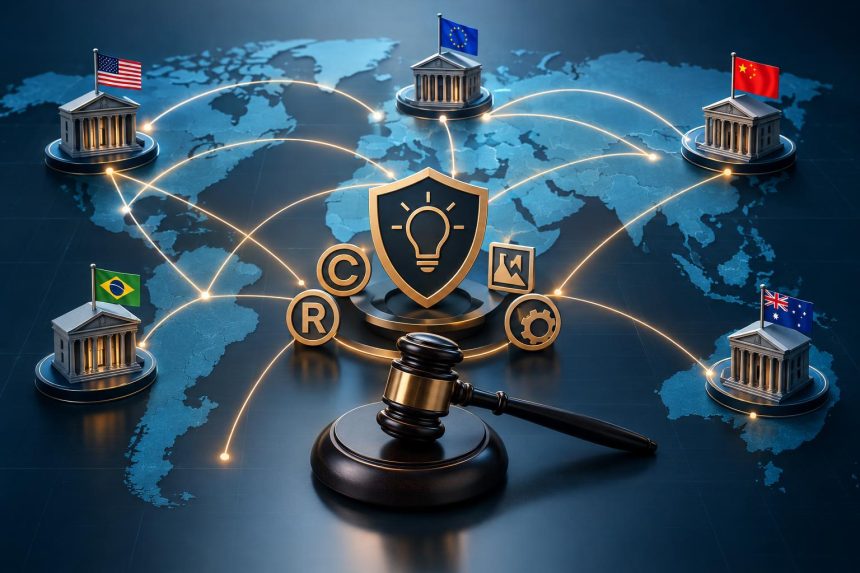
Intellectual property infringement rarely respects national borders. A product designed in the United States may be manufactured in Asia, distributed through European markets, and sold to customers worldwide through digital platforms. When unauthorized use of a patent, trademark, copyright, or trade secret occurs across these markets, determining where to bring a legal action becomes a significant challenge. Businesses must navigate different legal systems, enforcement mechanisms, and procedural requirements while protecting rights that are often territorial in nature.
For companies facing international infringement, working with an experienced IP litigation law firm can help clarify jurisdictional options and develop a litigation strategy that accounts for multiple legal environments. The right legal approach requires understanding how domestic intellectual property rights interact with international commercial activities and where effective remedies may be available.
Intellectual property rights are generally territorial. A patent granted in the United States does not automatically provide patent protection in Germany or Japan. Similarly, trademark rights and copyright enforcement depend on applicable national laws and international agreements.
A company operating across several markets may discover that a competitor is manufacturing a patented product overseas, importing it into the United States, and advertising it through websites accessible in multiple jurisdictions. Brooks Kushman works in the intellectual property litigation field, where disputes involving complex commercial activities and the enforcement of protected rights require careful legal analysis.
Why Jurisdiction Matters in Cross-Border IP Disputes
The central question in an international infringement dispute is not simply whether unauthorized activity occurred. Businesses must determine which court has the authority to hear the dispute, which country's laws apply, and what remedies that court can realistically provide.
Choosing the appropriate jurisdiction can influence litigation costs, evidence availability, procedural timelines, and the scope of potential relief. Filing in the wrong forum may result in delays or dismissal, making early jurisdictional analysis particularly important.
Key Jurisdictional Challenges Businesses Face
1. Determining the Appropriate Forum
Courts generally consider factors such as the defendant's location, business activities, connections to the forum, and the place where relevant conduct occurred.
In the United States, personal jurisdiction requires a sufficient connection between the defendant and the forum state. Although federal courts handle many intellectual property claims, a foreign company's participation in international commerce does not automatically establish jurisdiction wherever its products are available.
2. Territorial Limits of Intellectual Property Rights
A single commercial activity can raise separate legal questions in different countries. Patent infringement, for instance, generally depends on whether protected conduct occurred within the territory covered by the patent.
Trademark disputes introduce additional complications. A brand owner may hold registrations in several countries, but the scope of protection, infringement standards, and available remedies can differ.
The same principle applies to copyrights and trade secrets. International agreements establish certain common protections, but national laws continue to govern important aspects of enforcement.
3. Conflicting Laws and Legal Standards
Different jurisdictions may interpret similar intellectual property issues differently. One country might recognize a particular limitation or defense that another does not.
Discovery procedures also vary considerably. U.S. litigation generally permits broader discovery than many European legal systems. Differences in evidence collection, privilege, confidentiality, and witness examination can influence how a case should be prepared.
Businesses must also consider whether a judgment obtained in one country can be recognized and enforced elsewhere.
4. Evidence Collection Across Borders
Cross-border disputes frequently depend on evidence held in multiple locations. Relevant material may include manufacturing records, internal communications, licensing agreements, product specifications, and digital transaction histories.
Obtaining this evidence can require international cooperation, local court assistance, or compliance with foreign data protection regulations. Poorly coordinated evidence collection may create admissibility issues or expose confidential business information.
Developing an Effective Cross-Border Litigation Strategy
A practical strategy begins with identifying the countries where enforceable intellectual property rights exist and determining where the alleged infringement has the greatest commercial impact.
Several considerations deserve early attention:
- Jurisdictional analysis: Evaluate the defendant's connections to potential forums and the legal basis for bringing claims.
- Evidence preservation: Secure relevant documents, digital records, and physical product samples before they become unavailable.
- Remedies: Assess whether damages, injunctions, import restrictions, or other relief are available under applicable law.
- Parallel proceedings: Consider whether simultaneous actions in different countries are practical or likely to create inconsistent outcomes.
- Enforcement: Determine whether a favorable judgment can be enforced against the defendant's assets or commercial operations.
Coordination between legal counsel in different jurisdictions can also reduce procedural conflicts and help maintain consistency across proceedings.
Can International Agreements Resolve Jurisdictional Problems?
International frameworks provide important foundations for intellectual property protection. The Agreement on Trade-Related Aspects of Intellectual Property Rights (TRIPS) establishes minimum standards for intellectual property protection among World Trade Organization members. The Paris Convention and Berne Convention also facilitate international protection for industrial property and copyrighted works.
Nevertheless, these agreements do not create a single global intellectual property court. National courts retain authority over domestic enforcement, and differences in procedural law and remedies remain significant.
Frequently Asked Questions
Can a company sue a foreign business for IP infringement?
Yes, provided the relevant court has jurisdiction over the defendant and the claims satisfy applicable legal requirements. The location of infringement, commercial activities, and defendant's connections to the forum are important considerations.
Can one lawsuit address infringement in multiple countries?
Sometimes, but the scope of relief depends on the court's jurisdiction and the territorial nature of the intellectual property rights involved. Separate proceedings may be necessary to enforce rights in different countries.
Does a U.S. intellectual property judgment automatically apply overseas?
No. Recognition and enforcement of foreign judgments depend on the laws and applicable treaties of the country where enforcement is sought.
Conclusion
Cross-border intellectual property disputes require more than establishing that protected rights have been violated. Businesses must identify the appropriate forum, understand territorial limitations, manage conflicting legal standards, and develop an enforcement strategy that works across national boundaries. Careful jurisdictional planning and coordinated legal analysis can help companies protect valuable intellectual property while avoiding unnecessary procedural and commercial complications.

Lynn Martelli is an editor at Readability. She received her MFA in Creative Writing from Antioch University and has worked as an editor for over 10 years. Lynn has edited a wide variety of books, including fiction, non-fiction, memoirs, and more. In her free time, Lynn enjoys reading, writing, and spending time with her family and friends.