


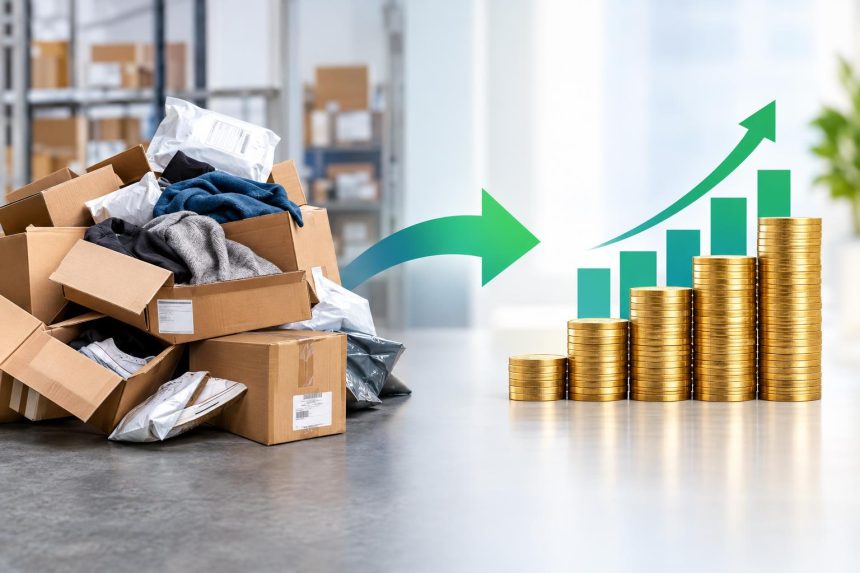
Every busy sales season ends the same way for retailers and distributors: a second wave of boxes shows up at the dock. Returns arrive faster than they can be inspected, and the longer an item sits, the less it’s worth. Seasonal goods lose relevance, electronics drop in price as newer models ship, and apparel misses the window when shoppers want it. How fast and how well returns get sorted decides how much of that value comes back.
Why Waiting Costs Money
A returned item has three possible futures. It can go back to sellable stock, move to a secondary channel such as refurbishment or liquidation, or go to recycling and disposal. Every day of delay shrinks the first option. Unprocessed returns also take up floor space, tie up working capital, and keep inventory off the books when the sales system needs it. Many operations treat returns as a side task to handle when outbound orders slow down. During peak periods outbound never slows, so the backlog grows.
Set Up a Dedicated Triage Zone
The first structural fix is to separate returns from outbound work. A triage zone needs a receiving table; a scanner or terminal tied to the order system and clearly marked containers for each outcome. Common categories are resellable as-is, needs repackaging, needs repair or testing, return to the vendor, and dispose. When containers are color-coded by category, anyone on the floor can see where an item is headed without reading a label. Some teams use stackable, lidded containers such as Global Industrial storage totes to keep sorted items together as they move between stations. Open-front bins work well for small parts and accessories that arrive separated from their main products.
Write Inspection Rules Before the Rush
Inconsistent grading slows everything down. When each worker decides alone whether a scuffed box counts as resellable, items bounce between categories and supervisors become the bottleneck. A one-page grading guide fixes most of that guesswork. It should include photos showing acceptable and unacceptable condition for the most-returned products. It also helps seasonal staff become productive within a single shift.
Track Time, Not Just Volume
Counting returns processed per day measures effort. Measuring the time from dock arrival to final decision shows whether value is being protected. Tracking that time by category shows where items stall. If the repair-and-test containers fill up while resellable items move quickly, the problem is technician capacity, not receiving.
Return reason codes add another layer. Patterns such as “item not as described” or “wrong size” often point to product page errors or packaging damage. Fixing those upstream cuts future return volume.
Plan Space for the Peak
Returns volume usually trails sales by several weeks, so the space crunch arrives after the busiest shipping period ends. Reserving floor area and staging containers in advance keeps returns from spilling into picking aisles. Nestable containers help because they take little room when empty and can go into service as volume climbs.
A Process That Pays Back
Returns will always cost something. A dedicated triage zone, written grading rules, and time-based tracking turn a pile of boxes into a sorted flow of inventory. More of it gets back on shelves while it can still sell at full price.

Lynn Martelli is an editor at Readability. She received her MFA in Creative Writing from Antioch University and has worked as an editor for over 10 years. Lynn has edited a wide variety of books, including fiction, non-fiction, memoirs, and more. In her free time, Lynn enjoys reading, writing, and spending time with her family and friends.