Afrimex is a proud pioneer of Ghana’s gold mining industry. In addition to its gold mining and mining assistance services, the company also specializes in supporting clients in the buying and selling of gold. This article will look at the increased leverage of drones by the Ghanaian government to protect national interests and legitimate West African mine operators as gold prices surge.
Economic pressures have led to an increase in illegal mining across Sub-Saharan Africa, impacting corporate operations. Rising gold prices are fueling conflict between illegal miners and legitimate operations, prompting mining companies to lobby governments for military support.
According to a report published by the United Nations, some 10 million people across Sub-Saharan Africa rely on unofficial mining as a critical source of income. Other industry data suggests that, in West Africa, up to 5 million people are financially reliant on unregulated gold mining, with an estimated 30% of the region’s gold production lost to illegitimate gold miners and smuggling.
In the shadows of legitimate mining operations, local residents have tried to make a living for decades. However, illicit mining operations are becoming increasingly well organized, with those occurring in forests and around large bodies of water now utilizing sophisticated equipment, such as digging and dredging tools, and funded by local or foreign cartels.
Against the backdrop of rising geopolitical tensions and economic pressures, many central banks are coming to see gold as a safe haven, driving up gold prices. Experts predict that the price of the precious metal could hit $5,000 an ounce. Mining and security analyst Ulf Lessing warns that violent clashes near mining operations are likely to increase, pointing out that the higher the gold price, the more conflict between industrial and informal miners.
As part of efforts to tackle the problem, Ghanaian authorities are destroying scores of unregulated gold mining operations, arresting both foreigners and locals. According to analysis from Swissaid, Ghana lost circa 229 metric tons of gold to smugglers between 2019 and 2023, highlighting the sheer scale of the problem.
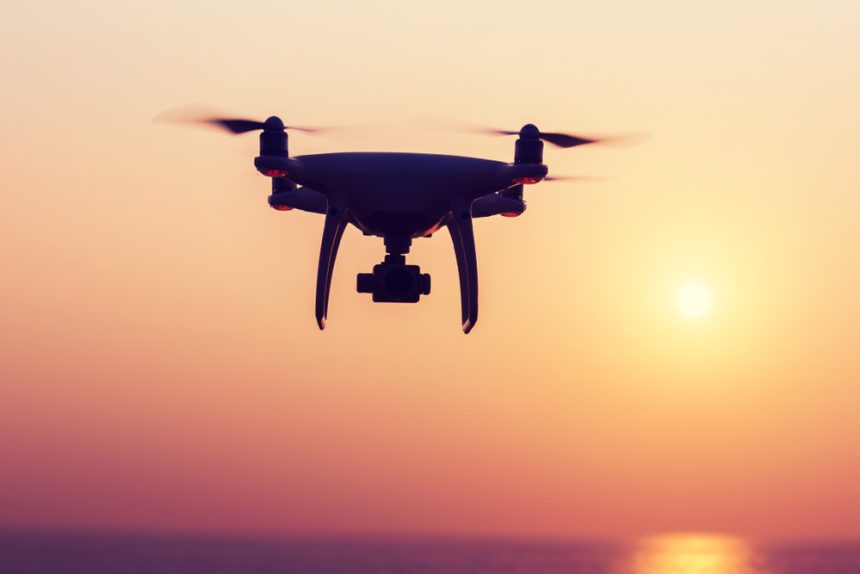
In the gold fields of Tarkwa in southwestern Ghana, the government is leveraging the latest technological innovations to detect illegal mining. Launching drones into the clear sky, surveillance teams are keeping watch, with the drone’s cameras scanning a 210-square-kilometer tract that has become a hunting ground for illegal miners.
Operating on the outskirts of many legitimate mining ventures, so-called wildcat miners are not only jeopardizing their own health but also the environment, along with the lives of local people. Alerted by drones, armed police officers discover freshly dug trenches, abandoned clothing, and rudimentary equipment amidst pools of cyanide and mercury-contaminated water. Law enforcement officials often confiscate diesel-powered water pumps along with processing units used to extract gold from riverbeds. This high-tech game of cat and mouse is playing out with ever-increasing frequency as gold prices reach all-times highs, currently hovering above $3,800 per ounce.
Unofficial gold mining activities are escalating across West Africa, culminating in deadly confrontations between security teams and illegitimate miners. Edwin Asare serves as head of protection services at Tarkwa Mine. In an interview with Reuters, he indicated that, without eyes in the air, it would be impossible to know whether something destructive was happening due to dense vegetation cover in the area, with these eyes in the sky helping to put boots on the ground.
Since late 2024, more than a dozen illicit miners have been killed in confrontations at mining operations across Ghana and Guinea, including at sites operated by Nordgold, Newmont Gold, and AngloGold Ashanti. Thankfully, there have been no reports of mine staff being injured in the clashes. Nevertheless, incidents at commercial mines can halt production for up to a month, prompting the Ghanaian government to implement increasingly robust measures to deter illegal miners, including the Minerals Commission investing in an AI-powered control room and 28 drones.

Lynn Martelli is an editor at Readability. She received her MFA in Creative Writing from Antioch University and has worked as an editor for over 10 years. Lynn has edited a wide variety of books, including fiction, non-fiction, memoirs, and more. In her free time, Lynn enjoys reading, writing, and spending time with her family and friends.