

Thinking about leaving your current job for something more meaningful? You’re not alone. Many professionals reach a point where a steady paycheck is no longer enough. They want work that feels rewarding, offers new challenges, and makes a difference in people’s lives.
Healthcare is one industry worth considering. And contrary to popular belief, entering the medical field doesn’t always mean spending years in medical school.
From assisting physicians to helping people manage physical discomfort, several healthcare careers offer practical training pathways for people starting over.
The real question isn’t whether you can change careers. It’s which healthcare career fits your skills, lifestyle, and long-term goals?
Here’s a closer look at seven options worth exploring.
Why Healthcare Appeals to Career Changers
Healthcare offers something many traditional jobs lack: a clear connection between everyday responsibilities and helping others.
It also provides opportunities for people with different personalities, interests, and educational backgrounds.
Some positions involve direct patient care, while others focus on medical technology, administration, or rehabilitation.
For career changers, several advantages stand out:
- Different entry points: Not every healthcare position requires a four-year degree.
- Transferable skills: Communication, organization, and customer service experience can be valuable.
- Varied workplaces: Opportunities exist in clinics, hospitals, rehabilitation centers, and wellness facilities.
- Career development: Additional education and experience may open doors to new responsibilities.
However, training requirements, compensation, and working conditions vary considerably between occupations.
7 Best Healthcare Careers for Career Changers
1. Medical Assistant: A Practical Starting Point
If you enjoy interacting with people and staying organized, medical assisting could be an excellent match.
Medical assistants help healthcare facilities operate smoothly by supporting both clinical and administrative activities.
Depending on their training, workplace, and state regulations, responsibilities may include:
- Recording patients’ vital signs
- Preparing examination rooms
- Scheduling appointments
- Updating medical records
- Assisting healthcare providers during examinations
One appealing aspect of this profession is the opportunity to combine practical healthcare responsibilities with familiar office skills.
For professionals transitioning from retail, hospitality, or administrative positions, that combination can make the change feel more manageable.
Before enrolling in training, a common question is how long does it take to become a medical assistant. The answer depends on the program, its schedule, and any additional certification requirements.
Best for: Organized, people-oriented individuals who enjoy variety in their daily work.
2. Massage Therapist: A Hands-On Career in Wellness
Not every healthcare-related career takes place in a hospital.
Massage therapy offers a different environment, focusing on hands-on techniques that support relaxation, wellness, and the management of muscle tension.
Massage therapists may work in spas, wellness centers, chiropractic offices, and other appropriate healthcare settings.
Some also build independent practices.
This profession can appeal to career changers who prefer personal interaction and physical activity over traditional desk work.
However, becoming a qualified massage therapist requires more than learning a few massage techniques. Training typically includes anatomy, physiology, professional ethics, and supervised practical skills.
For people researching a massage school california, it’s important to examine curriculum quality, hands-on instruction, and the certification requirements applicable to their intended workplace.
Best for: Empathetic individuals interested in wellness, body mechanics, and hands-on client care.
3. Physical Therapy Aide: Help People During Recovery
Watching someone regain mobility after an injury can make rehabilitation work particularly rewarding.
Physical therapy aides support physical therapists and other rehabilitation staff by preparing treatment spaces, cleaning equipment, and assisting with nonclinical tasks.
Their work helps create an organized environment where patients can receive treatment.
This occupation may suit people who enjoy active workplaces and teamwork.
It’s important to understand that physical therapy aides are different from physical therapist assistants, who generally require more formal education and licensure or certification.
Best for: Active individuals interested in rehabilitation and patient support.
4. Dental Assistant: Combine Technical Skills With Patient Care
Dental assisting brings together patient interaction, technical responsibilities, and attention to detail.
Dental assistants may prepare instruments, support dentists during procedures, manage appointments, and explain routine post-treatment instructions.
If you enjoy structured environments and working closely with a small team, this career could be worth exploring.
Education and credential requirements vary by state and by the duties performed.
Best for: Detail-oriented professionals who enjoy practical tasks and patient communication.
5. Veterinary Assistant: Work With Animals Every Day
For animal lovers, veterinary assisting offers an opportunity to support animal healthcare.
Veterinary assistants help veterinary teams by handling animals, maintaining treatment areas, preparing supplies, and assisting with routine care under appropriate supervision.
The work can be physically demanding and emotionally challenging, especially when animals are injured or seriously ill.
Still, it may provide a meaningful career change for individuals who enjoy practical responsibilities and caring for animals.
Best for: Compassionate animal lovers comfortable with hands-on work.
6. Medical Records Specialist: Healthcare Behind the Scenes
Interested in healthcare but not comfortable providing direct patient care?
Medical records specialists organize and maintain clinical information, often working with electronic health records and medical coding systems.
Accuracy, confidentiality, and familiarity with healthcare terminology are essential.
People transitioning from office administration, data entry, or information management may find their previous experience particularly useful.
Best for: Detail-focused individuals who enjoy technology and organized workflows.
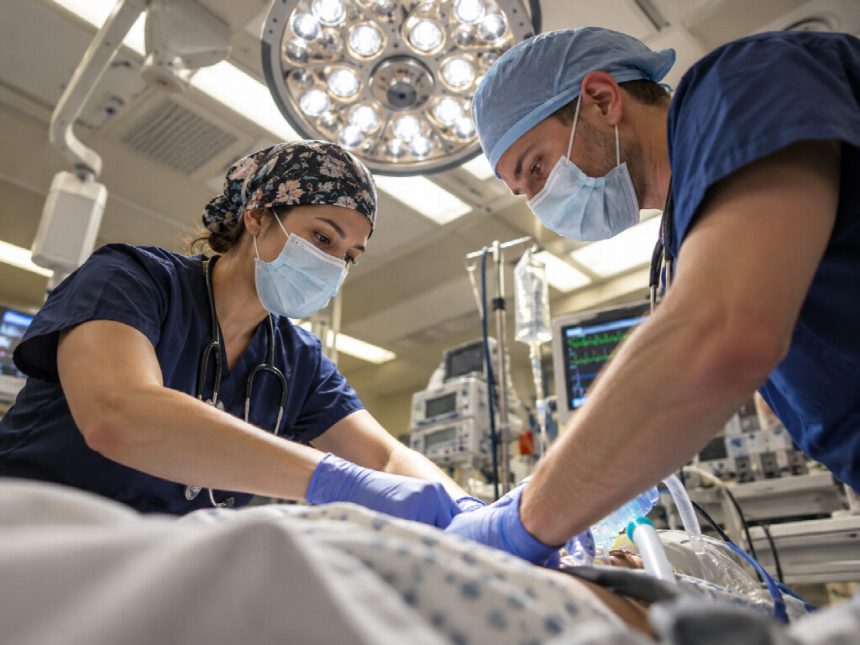
7. Surgical Technologist: A Career in the Operating Room
Surgical technologists help prepare operating rooms, organize sterile instruments, and assist surgical teams during procedures.
This role requires concentration, technical knowledge, and the ability to remain composed in demanding situations.
Training generally involves a formal surgical technology program, and credentialing requirements depend on the state and employer.
For career changers seeking a highly structured clinical environment, it offers a different path from office-based healthcare positions.
Best for: Focused individuals who enjoy teamwork, technical precision, and fast-paced environments.
How to Choose the Right Healthcare Career
A career that sounds exciting on paper might not suit your everyday preferences.
Before committing to a training program, consider five practical questions:
- Do you enjoy working directly with people? Medical assisting and massage therapy involve frequent patient or client interaction.
- Do you prefer physical or desk-based work? Rehabilitation and clinical support roles tend to involve more movement.
- How much time can you dedicate to training? Compare program lengths, schedules, prerequisites, and practical requirements.
- What working hours fit your lifestyle? Hospitals may require evenings or weekends, while some clinics operate on more predictable schedules.
- What does the local job market look like? Research actual job postings, pay ranges, and employer expectations in your area.
Choosing based on your strengths and circumstances is often more useful than choosing based on a job title alone.
Can You Switch to Healthcare Without Previous Medical Experience?
Yes. Many entry-level healthcare training programs are designed for students without previous clinical experience.
And the skills you’ve developed in another industry may be more relevant than you realize.
A former customer service representative already understands how to communicate with frustrated people. An office manager knows the importance of accurate records. A hospitality employee may be comfortable working under pressure.
Those abilities don’t replace professional healthcare training, but they provide a useful foundation.
The next step is finding an appropriate educational pathway and understanding any state-specific requirements.
Final Thoughts
Changing careers doesn’t have to mean abandoning everything you’ve learned.
Healthcare offers opportunities to apply existing strengths while developing new, specialized skills.
Whether you’re drawn to medical assisting, massage therapy, rehabilitation, or medical records, the best choice depends on what motivates you and how you want to spend your working day.
Research the responsibilities, compare training options, and explore local employment opportunities before making a commitment.
A successful career change isn’t simply about finding a different job. It’s about choosing work that fits the future you want to build.

Lynn Martelli is an editor at Readability. She received her MFA in Creative Writing from Antioch University and has worked as an editor for over 10 years. Lynn has edited a wide variety of books, including fiction, non-fiction, memoirs, and more. In her free time, Lynn enjoys reading, writing, and spending time with her family and friends.