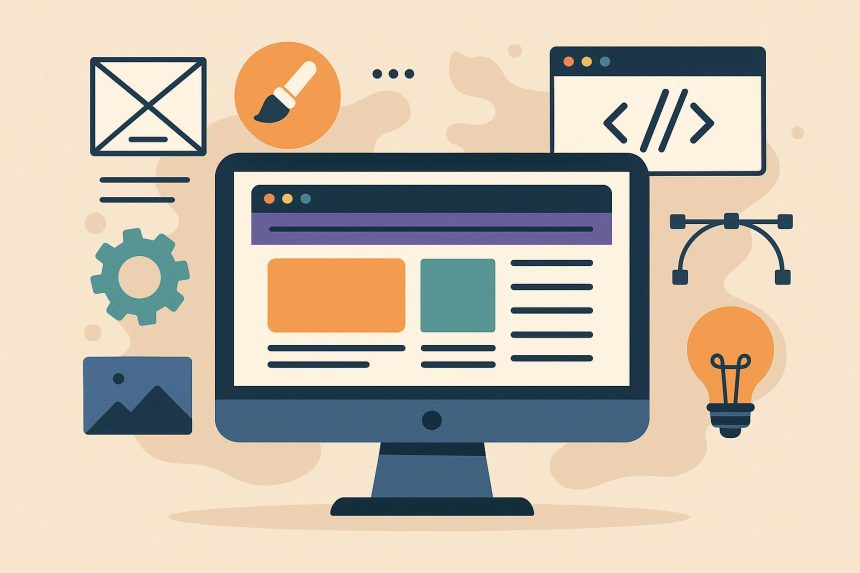
The digital landscape continues to evolve at a remarkably rapid pace, fundamentally transforming the ways in which businesses and creative professionals establish, develop, and maintain their essential online presence in today’s competitive marketplace. As we navigate through the rapidly evolving landscape of 2026, web design has entered an exciting and transformative era where artificial intelligence, immersive technologies, and user-centric approaches converge seamlessly to create unprecedented digital experiences that captivate audiences. These advancements are fundamental shifts in how websites function and engage visitors. Understanding these innovations becomes essential for anyone seeking to maintain competitive relevance in the digital marketplace. Today’s web design revolution offers businesses powerful tools to create compelling online experiences.
AI-Driven Design Tools Reshaping Creative Workflows
Artificial intelligence has fundamentally transformed the creative process behind modern web development, enabling designers to work more efficiently while sophisticated algorithms handle complex analytical tasks that previously required extensive manual effort. Intelligent algorithms now analyse user behaviour patterns with remarkable precision, automatically suggesting layout modifications that significantly enhance both user engagement and conversion rates across digital platforms. Smart systems generate colour palettes, recommend typography, and create design concepts from brand guidelines. Design professionals, who are constantly seeking ways to improve their workflow efficiency, increasingly collaborate with sophisticated AI assistants that handle the more mundane and repetitive tasks inherent in the design process, while simultaneously preserving essential human creative oversight for the strategic decisions that ultimately shape the final outcome.
Automated Layout Generation
Machine learning models trained on millions of successful websites now produce customised template suggestions within seconds. These recommendations take into account factors such as target demographics, content structure, and business objectives. The technology adapts continuously to changing circumstances, learning from user interactions and behavioural patterns in order to refine and improve future suggestions with greater accuracy.
Intelligent Content Optimisation
AI-powered systems automatically adjust content presentation based on real-time performance data. Understanding the significance of strategic web design for business success helps organisations leverage these capabilities effectively for maximum impact.
Immersive 3D Elements and Spatial Web Experiences
Three-dimensional design elements, which were once considered mere novelty features that added visual interest, have now transitioned into essential components that are fundamental to creating truly engaging and immersive websites. Advanced browser capabilities, which have evolved significantly in recent years, now support complex 3D rendering without requiring plugins or additional software installations, enabling designers to create depth-rich, immersive experiences that captivate visitors and hold their attention for longer periods of time. Product showcases using interactive 3D models let customers view items from all angles, boosting purchase confidence and lowering returns.
WebGL and Real-Time Rendering
Modern graphics processing, which has advanced significantly in recent years, enables sophisticated visual effects to be rendered directly within browsers without requiring any additional software or plugins. Parallax scrolling, animated transitions, and dynamic lighting effects work together to create truly memorable journeys through digital content, which captivate users as they navigate through immersive online experiences. These techniques turn passive browsing into active exploration.
Virtual Reality Integration
Progressive web applications are increasingly incorporating VR-compatible interfaces into their design frameworks, which effectively prepares websites for seamless headset-based navigation as virtual reality technology becomes more mainstream among everyday users. Early adopters in real estate, hospitality, and retail already showcase immersive tours and virtual showrooms.
Accessibility-First Design as a Core Innovation Principle
Inclusive design practices have evolved from compliance requirements into competitive advantages. Forward-thinking organisations increasingly recognise that accessible websites have the capacity to reach significantly broader and more diverse audiences while simultaneously demonstrating a genuine commitment to corporate responsibility. Screen reader support, keyboard navigation, and colour contrast are now essential design foundations. Research confirms that accessibility improvements benefit all users, not only those with disabilities.
According to comprehensive analyses of web design evolution, inclusive practices significantly enhance overall user satisfaction scores. Semantic HTML structures improve search engine understanding while simultaneously supporting assistive technologies. Voice interface compatibility grows increasingly important as smart speakers and voice assistants become primary interaction methods for many users:
- Navigate all interactive elements using comprehensive keyboard controls
- Ensure contrast ratios meet WCAG 2.1 AA standards.
- Provide alternative text descriptions for all meaningful images
- Structure content with proper heading hierarchies
- Test regularly with actual assistive technology users
Building Stunning Websites Without Coding Expertise
The democratisation of web creation represents perhaps the most significant shift in digital design accessibility. Professional-quality websites no longer require extensive programming knowledge or substantial development budgets. A sophisticated ecommerce website builder empowers entrepreneurs, small business owners, and creative professionals to establish impressive online presences independently. These platforms combine intuitive visual editors with powerful underlying infrastructure, enabling rapid deployment of feature-rich websites.
Drag-and-drop interfaces have matured considerably, offering granular control over design elements while maintaining user-friendly workflows. Template libraries offer professional designs users customize without coding. Built-in tools eliminate the need for third-party services.
Sustainable Web Design and Performance Optimisation
Environmental consciousness has emerged as a significant consideration in contemporary web development. Sustainable design practices focus on reducing digital carbon footprints through efficient coding, optimised media compression, and thoughtful server resource management. Websites with smaller file sizes load faster, consume less energy, and provide superior user experiences simultaneously. Exploring powerful digital experience analytics solutions enables organisations to identify optimisation opportunities systematically.
Performance metrics directly influence search rankings, making speed optimisation environmentally and commercially beneficial. Core Web Vitals measurements help guide developers in building faster and more stable user experiences. WebP and AVIF formats deliver better quality with smaller files.
Embracing Tomorrow’s Digital Possibilities
The innovations reshaping web design offer unprecedented opportunities for creating meaningful digital experiences. These advancements empower creators at all skill levels, whether using AI for workflows, adding 3D elements, or prioritising accessibility. Success requires continuous learning and experimenting with new technologies. The tools and techniques that are currently available to designers and developers transform ambitious visions into compelling digital realities that captivate audiences and deliver exceptional user experiences.

Lynn Martelli is an editor at Readability. She received her MFA in Creative Writing from Antioch University and has worked as an editor for over 10 years. Lynn has edited a wide variety of books, including fiction, non-fiction, memoirs, and more. In her free time, Lynn enjoys reading, writing, and spending time with her family and friends.