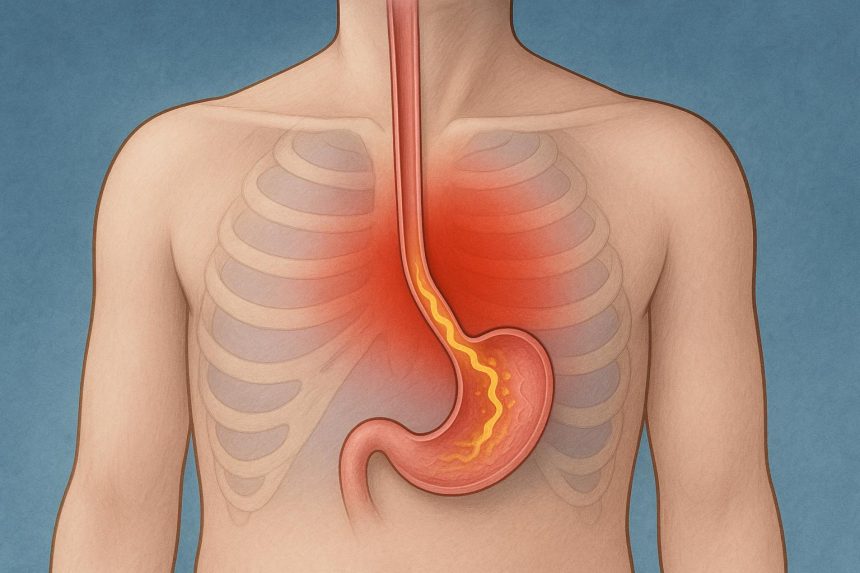
Acid reflux, also known as gastroesophageal reflux disease (GERD), occurs when stomach acid flows backward into the esophagus, the tube connecting your mouth to your stomach. This backflow can irritate the esophageal lining and cause discomfort in the chest, throat, and upper abdomen. While heartburn is the most commonly recognized symptom, many people also experience chest tightness, which can be alarming because it may mimic the pain associated with heart conditions.
Chest tightness from acid reflux is caused by esophageal irritation, inflammation, and muscle spasms. Knowing this helps distinguish it from heart-related pain for proper care.If chest tightness becomes severe or persistent, visiting an ER in Lake Jackson can ensure timely evaluation and relief.
How Reflux Causes Chest Tightness
When stomach acid repeatedly enters the esophagus, it can trigger inflammation and muscle spasms. These spasms may create a sensation of pressure or tightness in the chest. Factors that can worsen this sensation include:
- Large meals: Overeating increases stomach pressure, pushing acid upward.
- Certain foods and drinks: Spicy, fatty, or acidic foods, caffeine, and alcohol can trigger reflux.
- Lying down after eating: Gravity normally keeps acid in the stomach, but lying down can allow it to flow back.
Trigger of Reflux-Related Chest Tightness
Certain lifestyle choices and health conditions can worsen acid reflux, increasing the likelihood of chest tightness. If symptoms become severe, visiting an emergency room near me can provide prompt evaluation and treatment.
- Dietary Triggers: Spicy, fatty, or acidic foods, as well as caffeine and alcohol, can relax the lower esophageal sphincter (LES) and promote acid backflow.
- Obesity: Excess weight, particularly around the abdomen, puts pressure on the stomach and LES, increasing the likelihood of reflux.
- Smoking: Tobacco use weakens the LES and irritates the esophagus.
- Pregnancy: Hormonal changes and pressure from the growing uterus can contribute to acid reflux and chest tightness.
- Hiatal Hernia: A condition in which part of the stomach pushes through the diaphragm, allowing acid to move into the esophagus more easily.
For severe cases, visiting Altus Emergency Center ensures prompt evaluation and care.
How to Manage Reflux
Effectively managing acid reflux can relieve chest tightness and improve comfort. Combining lifestyle changes, diet adjustments, and medications when needed helps control symptoms.
- Eat Smaller, Frequent Meals: Large meals increase stomach pressure and promote acid reflux. Eating smaller portions helps reduce chest tightness.
- Avoid Trigger Foods: Limit intake of spicy, fatty, and acidic foods, as well as caffeine and alcohol, which can worsen reflux.
- Stay Upright After Eating: Wait at least 2–3 hours before lying down to allow gravity to keep stomach acid in place.
- Maintain a Healthy Weight: Losing excess abdominal weight can reduce pressure on the stomach and decrease reflux symptoms.
- Elevate the Head of the Bed: Sleeping with your upper body slightly elevated can prevent acid from flowing into the esophagus at night.
- Medications: Over-the-counter antacids, H2 blockers, or proton pump inhibitors (PPIs) can provide relief. Consult a doctor for long-term management.
When to Go to the ER
Although chest tightness from acid reflux is usually not life-threatening, it can sometimes mimic heart-related pain. Knowing when to seek urgent care is essential to ensure safety and proper treatment.
- Severe or sudden chest pain: Intense or sudden pain may indicate a heart problem and requires immediate evaluation.
- Pain radiating to the arm, jaw, neck, or back: This type of pain can be a warning sign of a cardiac event and should not be ignored.
- Shortness of breath, dizziness, or sweating: Difficulty breathing or sudden dizziness alongside chest tightness may indicate a serious condition.
- Chest tightness during minimal activity or at rest: Experiencing tightness without exertion warrants urgent medical attention to rule out heart issues.
Key Takeaways
- Acid reflux can cause chest tightness due to irritation, inflammation, and muscle spasms in the esophagus.
- Chest tightness from reflux may mimic heart-related pain but is often accompanied by heartburn, regurgitation, or a sore throat.
- Lifestyle modifications, dietary changes, and medications can help reduce reflux and chest discomfort.
- Severe or persistent chest tightness should always be evaluated by a healthcare professional to rule out cardiac issues.

Lynn Martelli is an editor at Readability. She received her MFA in Creative Writing from Antioch University and has worked as an editor for over 10 years. Lynn has edited a wide variety of books, including fiction, non-fiction, memoirs, and more. In her free time, Lynn enjoys reading, writing, and spending time with her family and friends.