Table of Contents
- Rising Demand for Transformers
- Aging Infrastructure Challenges
- Technological Advancements in Transformers
- Impact of AI and Data Centers
- Renewable Energy Integration
- Supply Chain Bottlenecks
- Future Outlook
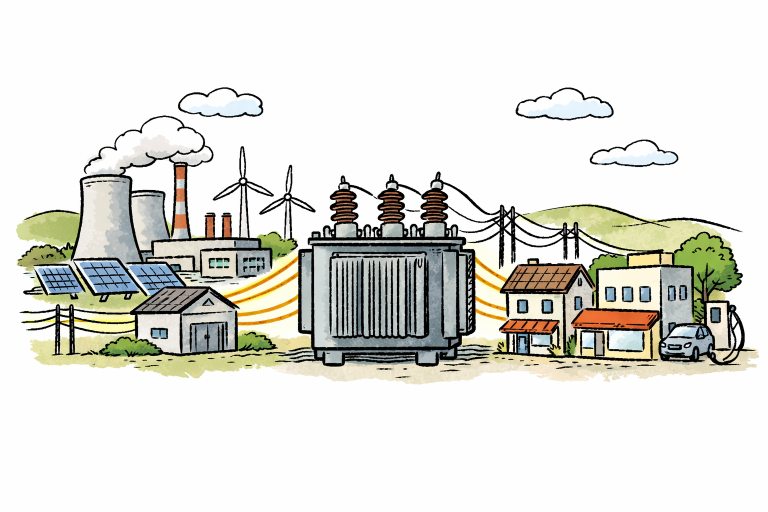
Transformers are the unsung heroes of our electrical grids, ensuring that electricity generated at power plants reaches homes and businesses safely and efficiently. As electrification surges across sectors and new power sources are integrated into the grid, transformers face unprecedented demand. The evolving nature of energy use has also brought new technologies to the fore, underscoring the importance of reliable solutions such as a dry type transformer for contemporary power distribution networks.
From the boom of electric vehicles to the growth in data centers, the power landscape is changing rapidly. This has led to transformers playing a more vital role than ever, serving as both gatekeepers and facilitators of safe, efficient power distribution. These shifts create opportunities for innovation but also pose challenges related to aging infrastructure, supply chain limitations, and grid adaptability. Meeting these challenges head-on is essential for a future-proof electric grid.
Organizations, utilities, and governments are now focusing on bolstering the backbone of the grid: transformers. Strategic investments, policy initiatives, and research and development are shaping this critical industry’s next chapter. Understanding the main drivers behind these changes provides insight into the broader implications for both consumers and industries participating in the electrification movement.
Upgrading transformers is no longer an afterthought. It is essential to integrate renewable energy sources, accommodate the growing energy needs of AI-driven industries, and ensure the long-term resilience of our electrical infrastructure. Staying informed on these advancements is essential for anyone invested in the future of energy.
Rising Demand for Transformers
The global push for electrification has caused a significant upswing in transformer demand, fueled by several key trends. The shift toward electric vehicles has necessitated new charging infrastructure, which depends on transformer voltage regulation. Similarly, industries transitioning from fossil fuels to electric processes increase the overall strain on power grids. The proliferation of data centers, powered by advances in artificial intelligence and cloud computing, has made additional capacity and more sophisticated transformer technology a requirement for modern networks.
A 2023 report from the National Renewable Energy Laboratory found that the U.S. could see transformer capacity needs grow by up to 260 percent by 2050 as new forms of energy consumption and generation drive change. As the backbone of modern energy delivery, transformers must keep pace with rapidly changing demand and the complexities of reconfigured supply-and-demand patterns (NREL).
Aging Infrastructure Challenges
Much of the existing transformer fleet is aging or outdated, making it susceptible to more frequent failures and costly maintenance. These systems were designed for the grid of yesterday, not the dynamic and decentralized energy landscape of today. As transformers age, their risks include unplanned outages and complex technical hurdles in integrating with newer technologies. Utilities face a mounting backlog of replacement and upgrade projects, underscoring the urgent need for infrastructure reinvestment to meet reliability and resilience goals.
Compatibility issues between legacy equipment and emerging smart grid technologies further highlight the need for modernization, as piecemeal upgrades may create new inefficiencies and bottlenecks across the power distribution system.
Technological Advancements in Transformers
Modern transformer design is evolving to address new challenges. Solid-state transformers (SSTs), for instance, allow for more agile voltage conversion, enhanced control, and are equipped to manage bidirectional power flow, an ability essential for integrating distributed renewable energy sources. Digital sensors and IoT-based diagnostics allow real-time monitoring and predictive maintenance, ultimately increasing efficiency and reducing downtime. Planar magnetic transformers, particularly in compact yet high-power applications such as data centers, improve power density while reducing energy loss and footprint. These advances help grids meet higher efficiency standards, stricter environmental regulations, and greater operational transparency.
For more details about advancements in electrical grid modernization, see this overview from The Wall Street Journal.
Impact of AI and Data Centers
The exponential growth of AI and data-centric applications means data centers are consuming more electricity than ever before. To keep pace, transformers must handle higher loads, deliver better energy efficiency, and remain flexible enough to scale. The reliability of power distribution is mission-critical in these facilities, with energy costs and downtime tightly linked to business performance. High-performance transformers also play a significant role in enabling rapid scalability as new technologies, including those in machine learning and cloud services, are deployed globally.
A recent analysis by E&E News projected that the U.S. market for transformers and electrical equipment supporting data centers may more than triple by 2030. As this trend accelerates, the need for adaptable, high-capacity transformer installations will be a defining challenge for utilities and operators alike.
Renewable Energy Integration
The integration of solar, wind, and other renewables complicates grid operations because these power sources are variable. Transformers must be able to adapt to frequent voltage fluctuations and facilitate two-way power flow to manage distributed generation. Reliable transformers act as grid stabilizers in this new paradigm, all while supporting broader sustainability and decarbonization goals. As renewable penetration deepens, transformer design will continue to emphasize flexibility, control, and support for diverse power flows.
For more on the technical and policy aspects of renewable energy integration, the U.S. Department of Energy offers a comprehensive overview.
Supply Chain Bottlenecks
The rapid growth in transformer demand, coupled with limited production capacity and constraints on raw materials (especially copper and steel), has led to significant supply chain bottlenecks. Long production lead times delay important grid expansion and modernization projects, while price volatility can make long-term planning more difficult for utilities and contractors. Addressing these obstacles requires new strategies to build supply chain resilience and invest in manufacturing capacity.
Future Outlook
As the global energy transition accelerates, transformer technology will remain central to the success of modern grid infrastructure. Moving forward, expect greater investment in R&D, expansion of manufacturing bases, and stronger policy measures supporting grid modernization. The ability of transformer technology to keep pace with both current and future demands, from electrification to decarbonization, will be critical to building a robust, flexible, and efficient energy system.
Transformers are truly at the heart of reliable energy delivery. Their continued evolution, supported by innovative policies and sustained investment, is paving the way for an energy-secure future.

Lynn Martelli is an editor at Readability. She received her MFA in Creative Writing from Antioch University and has worked as an editor for over 10 years. Lynn has edited a wide variety of books, including fiction, non-fiction, memoirs, and more. In her free time, Lynn enjoys reading, writing, and spending time with her family and friends.