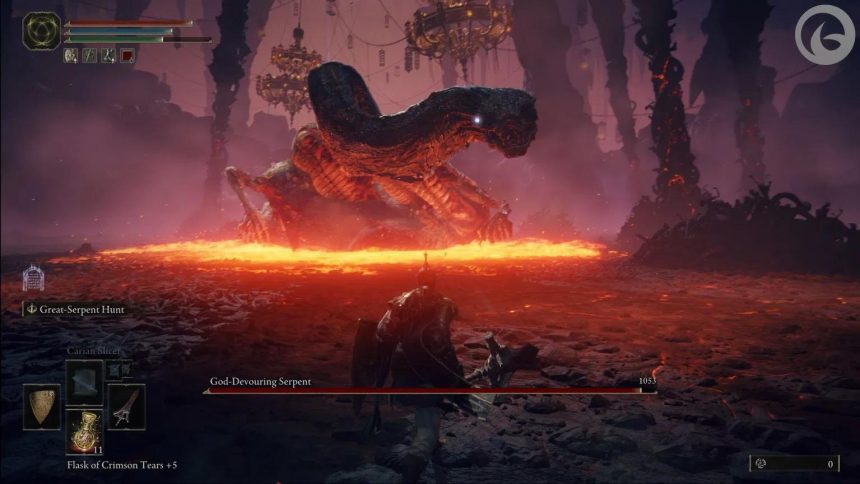
There is a certain kind of player who does not want comfort.
They do not want glowing arrows, helpful tutorials, or enemies that wait their turn politely.
They want confusion, punishment, and the quiet satisfaction of surviving something that tried very hard to break them. These are the players who fall in love with difficult games, especially titles like the Souls series.
To anyone watching from the outside, the appeal looks irrational. Why repeat the same boss fight twenty times?
Why accept constant failure as entertainment? Yet for millions of players, difficulty is not a barrier. It is the entire point.
Challenge Creates Meaning
Easy success is forgettable. When a game hands you victories, those victories blur together. Hard games refuse to do that. Every win is earned through attention, patience, and adaptation.
In Souls games, progress is slow and often painful. You study enemy patterns. You learn when to wait and when to strike.
You manage stamina like a limited resource instead of a background stat. When you finally defeat a boss, the emotion is not just relief. It is ownership. You did not borrow that win from the game. You built it.
That sense of earned progress is deeply satisfying. It mirrors real learning. Mastery feels meaningful precisely because it was not guaranteed.
Failure Becomes a Teacher
Most modern games treat failure as something to soften or hide. Difficult games do the opposite. They place failure front and center and ask you to learn from it.
In Souls titles, death is information. Every mistake reveals something about timing, positioning, or greed. Over time, players stop seeing death as punishment and start seeing it as feedback.
This changes the player’s mindset. Instead of asking, “Why is this unfair?” they ask, “What did I miss? ”
That shift is powerful. It trains patience, self-reflection, and emotional control. You are not fighting the game. You are improving yourself.
The Pleasure of Clear Rules
Difficult games are rarely random. They are strict but consistent. Enemies follow rules. Damage is predictable. The systems do not change to save you.
This fairness matters. When you fail, you know why. When you succeed, you trust that it will happen again if you repeat the same actions.
In a world full of uncertainty, players often crave systems that are harsh but honest. The clarity of cause and effect becomes comforting, even when the consequences are severe.
Community and Shared Suffering
Difficult games create strong communities. Players exchange strategies, build guides, and share stories of impossible victories.
There is a quiet bond in knowing someone else struggled with the same boss for the same reasons. Advice is specific, not generic. “Dodge left on the third swing.” “Do not get greedy after phase two.”
This culture of shared problem-solving turns solitary frustration into a collective experience. Even a single subtle search, such as looking up how to play Pusoy card game after a punishing gaming session, reflects the broader habit of players seeking systems they can slowly understand and master.
Identity and Personal Growth
For many players, finishing a difficult game becomes part of their identity. Not in a boastful way, but in a private one.
They proved something to themselves.
They learned patience, they managed frustration, and they stayed when quitting was easier.
These skills extend beyond the screen. Players often describe becoming calmer, more focused, and more resilient after spending time with demanding games.
The game did not make them stronger. It revealed that they already could be.
Escaping Comfort Culture
Modern entertainment is designed to reduce friction. Auto-saves, checkpoints, hints, and tutorials exist to keep users engaged without stress.
Difficult games reject that philosophy. They trust players to struggle. They assume players want to work for their enjoyment.
For some, this feels refreshing. It is an escape from systems that constantly adjust themselves to protect the user. In a hard game, the player adjusts instead.
That sense of personal responsibility is rare and valuable.
Not for Everyone, and That’s Fine
It is important to say this clearly. Difficult games are not better. They are different.
Some players want relaxation. Some want a story. Some want fast fun after a long day. There is no moral hierarchy in difficulty.
But for those who love hard games, the attraction is simple. They want experiences that demand something from them.
They want games that do not flatter, do not rescue, and do not lie.
They want to earn their victories the slow way.
And somehow, in a digital world full of dragons and despair, they find a small, stubborn kind of peace.

Lynn Martelli is an editor at Readability. She received her MFA in Creative Writing from Antioch University and has worked as an editor for over 10 years. Lynn has edited a wide variety of books, including fiction, non-fiction, memoirs, and more. In her free time, Lynn enjoys reading, writing, and spending time with her family and friends.