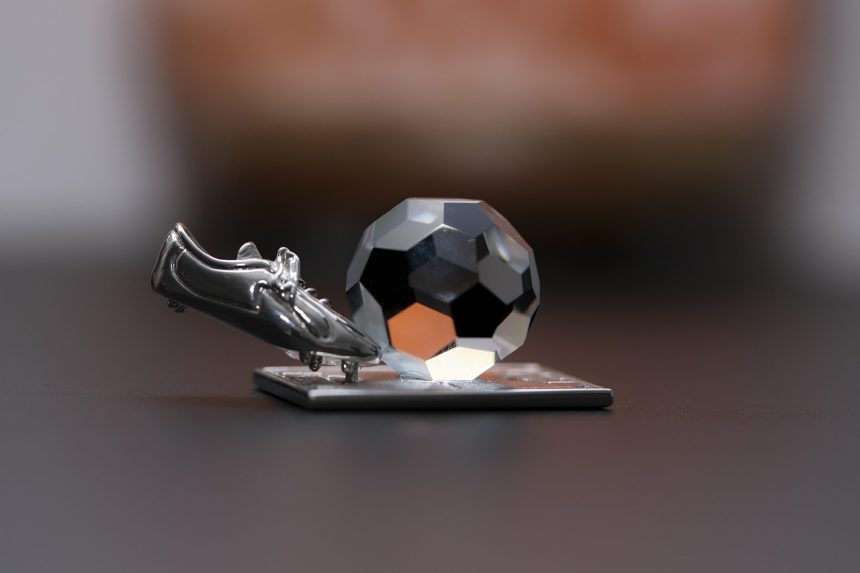
Recognition is a powerful tool. Whether it is celebrating a top salesperson, honouring a retiring teacher, or crowning a sports champion, the award you hand over speaks volumes. It represents hard work, dedication, and success. While there are many materials available for awards, few carry the same weight and elegance as glass.
Glass trophies have become a top choice for modern events. They offer a sleek, sophisticated look that fits perfectly in corporate offices and home display cabinets alike. Unlike plastic or lightweight resin, a glass award feels substantial in the hand. It signals to the recipient that their achievement is valued and significant.
In this guide, we will explore why glass is such a popular material for awards, the different styles available, and how to choose the perfect design for your next event.
What Are Glass Trophies and Why Are They Popular
Glass trophies are awards crafted from high-quality industrial glass. They are distinct from crystal awards, which contain lead, and acrylic awards, which are made of plastic. Glass offers a brilliant clarity and a cool, smooth texture that many people associate with premium quality.
The popularity of glass comes from its versatility. It can be cut into sharp geometric shapes, curved into elegant waves, or formed into tall, impressive towers. Because glass is transparent, it plays with light in a unique way. When placed on a shelf or a desk, it catches ambient light, making the award sparkle and stand out without looking cluttered or heavy.
For organizations, glass is often more affordable than crystal but looks just as impressive to the untrained eye. It provides a clean canvas for text and logos, making it ideal for branding.
Classic vs Modern Glass Trophy Styles
The style of glass trophy you choose often depends on the message you want to send. Classic styles usually feature simple shapes like circles, rectangles, or shields. These are timeless and work well for traditional awards like “Employee of the Month” or “Community Service.”
Modern styles, on the other hand, might use asymmetrical cuts, mixed materials, or coloured accents. You might see a glass peak rising from a black base, or a clear pane with blue or green tinted edges. These designs feel dynamic and forward-thinking, making them excellent for innovation awards or technology competitions.
Types of Glass Trophies for Different Events
Because glass is so adaptable, it suits a wide range of ceremonies. You are not limited to a single “cup” shape as you might be with traditional metal sports trophies.
Corporate Recognition
In the business world, image matters. A cheap plastic trophy can send the wrong message about how much a company values its staff. Glass awards are standard for corporate environments. They are used for years of service awards, deal toys (commemorating a business merger), and leadership recognition. The clean lines of a glass plaque or obelisk look professional on an executive’s desk.
Sports Tournaments
While metal cups are traditional for team sports, individual player awards are increasingly moving toward glass. In sports like golf, tennis, and swimming, glass trophies are very popular. They offer a modern alternative to the gold-coloured plastic figures often seen in youth sports.
Academic and Community Awards
Schools and universities use glass awards for valedictorians, debate winners, and research excellence. The permanence of glass makes it a suitable memento for academic milestones that took years to achieve.
Design Features That Make Glass Trophies Stand Out
What exactly makes one glass trophy look better than another? It usually comes down to the finer design details.
Clarity and Tint
The highest quality glass is completely clear, without bubbles or waves. However, design trends have introduced tinted glass. Jade glass, which has a slight green tint especially visible on the edges, is a popular and cost-effective option. Blue glass accents are also common, often used to reflect corporate colours or add a splash of vibrancy to an otherwise clear award.
Shape and Thickness
The thickness of the glass contributes to its perceived value. A thick piece of glass (often 10mm to 19mm) stands up on its own without needing a separate base and feels heavy. Shapes range from simple flat plaques to complex, multi-layered structures. Towers and obelisks are often chosen for top-tier awards because their height makes them physically tower over other objects on a desk.
Matching Trophy Design to Event Tone
When selecting a design, consider the vibe of your event. If you are hosting a serious, formal gala, a tall, clear geometric tower is appropriate. It looks statuesque and respectful. For a more casual or creative event, such as a startup launch or a local art prize, you might choose a trophy with artistic curves or colourful accents. The trophy should feel like a natural extension of the event’s brand.
Personalisation: Engraving, Text, and Logos
A blank piece of glass is just a decoration; the engraving turns it into an award. Personalisation is where you can truly make the recipient feel special.
Glass is an excellent medium for laser engraving and sandblasting. These methods etch the surface of the glass, creating a frosted look that contrasts beautifully with the clear background. This frosted effect is permanent and will not fade over time.
You have plenty of space on most glass awards to include:
- The company or organization logo.
- The name of the award (e.g., “Sales Manager of the Year”).
- The recipient’s name.
- The date or year.
- A short message of appreciation.
It is important to ensure that logos are high-resolution so they appear crisp when etched. Unlike colour printing, etching relies on texture and shadow, so simple, bold logos often look best.
When to Choose Glass Over Other Trophy Materials
Choosing the right material can be confusing. Why pick glass over acrylic or metal?
Acrylic looks very similar to glass but is much lighter. While acrylic is durable and less likely to shatter if dropped, it can scratch easily and sometimes yellows over many years. Glass is harder and retains its clarity indefinitely if cared for. Metal trophies are classic but can tarnish and often require polishing.
Here are a few key reasons why buyers opt for glass:
- Elegant appearance suitable for formal events and high-level recognition.
- Versatile designs to match many industries, from finance to athletics.
- Long-lasting memento that looks good on desks or shelves without scratching easily.
- High perceived value, making the recipient feel their effort was truly worth it.
If your priority is safety (for example, awards for young children), acrylic might be better because it does not break. But for adults and professional settings, glass is generally the superior aesthetic choice.
Practical Tips for Ordering Glass Trophies
Ordering awards requires a bit of planning. You do not want to be stuck with a typo on a trophy the day before the ceremony.
Size and Budget
Glass trophies come in various sizes, usually ranging from small (4-6 inches) to large (10-12 inches). Naturally, larger pieces cost more. A common strategy is to order different sizes of the same design to represent different placement levels—gold (large), silver (medium), and bronze (small).
Check Engraving Limits
Before you fall in love with a design, check the engraving area. Some artistic trophies have very little flat space for text. If you need to write a long quote or a detailed explanation of the achievement, you will need a trophy with a large, flat surface area, like a plaque or a wide block.
Lead Time
Custom engraving takes time. While some suppliers can rush orders, it is safer to order at least 2-3 weeks in advance. This gives you time to review the digital proof (a preview of what the text will look like) and catch any spelling errors before the glass is etched.
Considering Durability and Care
Glass is durable in terms of age—it won’t rot or fade—but it is fragile if mishandled. When ordering, consider how the awards will be transported to the venue. Ensure they come in padded presentation boxes. This not only protects the glass during shipping but also adds a layer of ceremony when you hand the box to the winner.
Presenting and Displaying Glass Trophies with Impact
The moment of presentation is crucial. Glass trophies look their best under bright lights. If you are hosting an event with stage lighting, the glass will catch the beams and sparkle, making for great photography.
Encourage recipients to display their awards where there is natural light. A glass trophy on a windowsill or under a desk lamp looks far more dynamic than one stuck in a dark corner. The interplay of light and shadow through the etched text makes the award readable and attractive from a distance.
When searching for the right pieces, you will find many suppliers offering extensive catalogues. Finding a reliable source ensures that the glass is free of imperfections and the engraving is sharp. You can find a wide variety of Glass Trophies from EDCO Awards that cater to different styles and budgets, ensuring you find exactly what fits your event’s theme.
Conclusion
Choosing the right award is about more than just picking an object; it is about creating a memory. Glass trophies offer a perfect balance of beauty, durability, and professional appeal. They elevate the status of any event, signaling that the achievements being celebrated are transparent, solid, and brilliant.
By paying attention to design details like shape, tint, and engraving quality, you can create a memento that recipients will be proud to display for decades. Whether for a corporate gala, a sports final, or a community celebration, glass remains a top-tier material that conveys respect and admiration.
When you are ready to select the perfect awards for your next ceremony, remember to plan ahead and choose a style that reflects the significance of the occasion. For a diverse selection of high-quality options, you can explore the range of Glass Trophies from EDCO Awards to find the ideal match for your recognition needs. A well-chosen glass trophy is not just an item on a shelf; it is a lasting symbol of excellence.

Lynn Martelli is an editor at Readability. She received her MFA in Creative Writing from Antioch University and has worked as an editor for over 10 years. Lynn has edited a wide variety of books, including fiction, non-fiction, memoirs, and more. In her free time, Lynn enjoys reading, writing, and spending time with her family and friends.