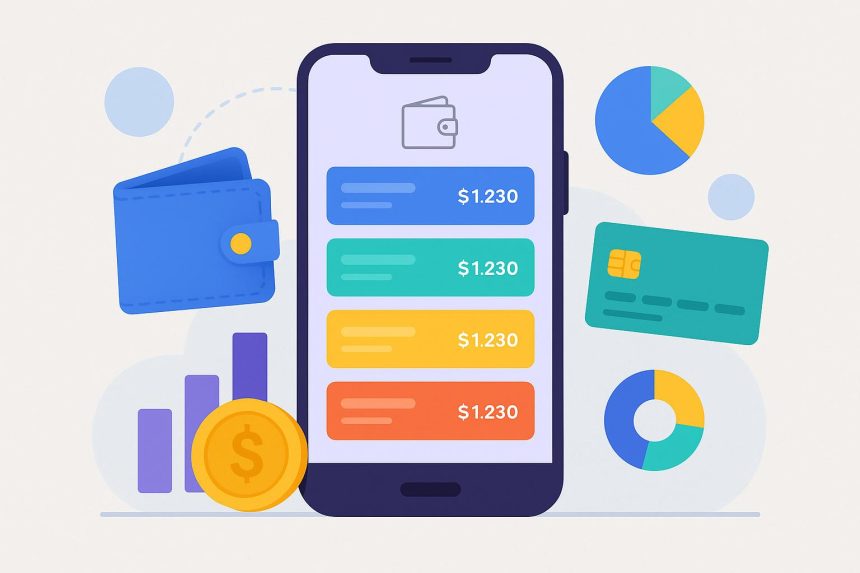
A multi-wallet fintech app brings several financial tools into one place: mobile banking, IBAN accounts, payment cards, SEPA transfers, and crypto wallet features. Instead of switching between separate banking apps, card platforms, and crypto wallets, users can manage daily spending, transfers, and digital assets from a single ecosystem. This kind of integrated financial solution reflects how people now handle money across borders, currencies, and payment methods. It offers convenience, but it also requires clear understanding, careful security, and responsible use.
How a Multi-Wallet Fintech App Supports Daily Money Management
Modern finance is no longer limited to a traditional bank account. Many people receive income in one currency, pay bills in another, shop online with cards, send transfers across Europe, and hold cryptocurrency as part of a wider financial plan.
A multi-wallet fintech app helps organize these activities in one interface. Users can often view balances, move funds, check card activity, and track transactions without moving between unrelated services.
This makes daily money management simpler because key financial actions become easier to see and control. Instead of checking one app for banking, another for transfers, and another for crypto, users can monitor different parts of their financial life in one place.
Common features may include:
- Fiat currency wallets for everyday spending
- IBAN accounts for receiving and sending money
- Payment cards for online and in-store purchases
- SEPA transfers for euro payments
- Crypto wallets for supported digital assets
- Transaction history and balance tracking
The main benefit is not just convenience. It is financial visibility. When users can see more of their money in one place, they can make better day-to-day decisions.
Why IBAN Accounts and SEPA Transfers Matter
IBAN accounts are useful for people who need a recognized account number for receiving payments, making transfers, or managing euro-based transactions. An International Bank Account Number helps identify accounts across participating countries, making payments more standardized and easier to process.
For users in Europe, SEPA transfers are especially important. The Single Euro Payments Area allows euro payments between participating banks and payment institutions under a common framework. This can make transfers more consistent and practical for personal and business use.
In a fintech app, IBAN and SEPA features can support:
- Receiving salary or client payments
- Paying rent, invoices, or service providers
- Sending money to family or business contacts
- Managing euro payments across borders
- Keeping a clear record of incoming and outgoing funds
For freelancers, remote workers, small business owners, and internationally mobile users, these tools can reduce friction. They make the app feel less like a simple wallet and more like a practical financial hub.
Still, users should understand account terms, transfer fees, processing times, and compliance checks. A smooth app experience does not remove the need for basic financial awareness.
Mobile Banking Convenience Without the Usual Complexity
Mobile banking has changed what people expect from financial services. Many users now want to open an app, check a balance, send a transfer, freeze a card, or review a payment within seconds.
A multi-wallet fintech app builds on this expectation by making several services available through one mobile experience. The app becomes a control center for routine financial tasks.
This is useful for people who travel, work remotely, or manage money across different platforms. Mobile access means they are not tied to branch hours or desktop banking portals. They can act quickly when they need to send money, check a payment, or manage a card.
Good mobile banking design should also make information easy to understand. Clear menus, plain transaction labels, simple balance views, and helpful notifications all matter. A fintech app should not only provide many features; it should make those features usable.
This is where readability and user experience become part of financial trust. If users cannot understand what they are doing, they are more likely to make mistakes. Clear design supports safer money management.
Payment Cards and Digital Payments in One Ecosystem
Payment cards remain central to everyday finance. People use them for groceries, subscriptions, travel bookings, online shopping, and contactless payments. When a fintech app includes card functionality, it connects digital account balances to real-world spending.
Depending on the platform, users may be able to order a physical card, use a virtual card, or connect the card to mobile wallets for contactless payments. These tools can make spending more flexible while still keeping activity visible in the app.
Card controls are also important. Many modern fintech platforms allow users to freeze or unfreeze cards, review transactions, set limits, or receive instant spending alerts. These features can help users react faster if they notice unusual activity.
Digital payments also support better budgeting. When card spending appears in the same place as account balances and transfers, users get a clearer picture of where their money goes. This can help with planning, especially when managing several wallets or currencies.
For people who need broader financial guidance, app-based tools may be only one part of the picture. Some users may still consult experienced financial advisors in London or other qualified professionals when making larger decisions about tax, investments, or long-term financial planning.
Managing Fiat and Crypto Assets in One App
One of the main differences between a basic banking app and a multi-wallet fintech app is the ability to manage both fiat and cryptocurrency assets. Fiat money includes traditional currencies such as euros, pounds, or dollars. Crypto assets may include digital currencies supported by the platform.
Bringing these into one ecosystem can make financial management more convenient. Users do not need to rely on separate crypto wallets or exchange accounts for every action. In practice, a blackcat mobile app setup can help users view crypto balances alongside fiat accounts and track their overall position more easily.
This does not mean crypto becomes risk-free. Cryptocurrency prices can be highly volatile, and digital assets carry different risks from bank deposits or card balances. Users should understand market swings, wallet security, transaction finality, and any limits that apply.
A responsible fintech platform should make crypto tools clear and transparent. Users need to know what they hold, how transactions work, what fees may apply, and whether they control private keys or use custodial wallet services. Clear access to crypto customer services can also help users understand features, resolve issues, and make more informed decisions about managing digital assets.
The best value of crypto integration is not hype. It is practical access. For users who already hold digital assets, having them visible within a wider financial app can make money management more organized.
Security and Accessibility in Digital Finance
Security is a core part of any financial app. When a platform handles banking tools, payment cards, transfers, and crypto wallets, users need confidence that their data and money are protected.
Common security features may include biometric login, two-factor authentication, device verification, card controls, transaction alerts, encryption, and compliance monitoring. These tools help reduce risk, but users also play a role.
Good habits include:
- Using strong, unique passwords
- Enabling two-factor authentication
- Keeping devices updated
- Avoiding public Wi-Fi for sensitive actions
- Reviewing transactions often
- Being careful with phishing messages
Accessibility also matters. A fintech app should serve users with different levels of financial knowledge. Clear language, simple navigation, readable statements, and responsive customer support, including reliable crypto customer services, can help people use financial tools with more confidence.
Professional service firms such as Howlader and Co may also work with clients who need to understand how digital finance fits into broader accounting, tax, or business planning. This shows that fintech convenience often works best when paired with informed financial decision-making.
The Future of Multi-Wallet Finance
The future of fintech is likely to be more connected, more mobile, and more personalized. Users want tools that reflect how they actually live: earning online, spending globally, sending fast transfers, and managing both traditional and digital assets.
Multi-wallet finance is part of this shift. Instead of treating banking, payments, and crypto as separate worlds, fintech platforms are bringing them closer together. This can improve speed and convenience, but it also raises the need for clear rules, strong compliance, and better user education, especially as users rely on tools such as the blackcat mobile app to manage more parts of their financial lives in one place.
Open banking, faster payments, digital identity checks, blockchain infrastructure, and smarter risk tools may all shape the next stage of financial apps. The goal should not be complexity for its own sake. The goal should be simpler access to useful financial services.
A strong multi-wallet ecosystem can give users more control, but control works best when supported by transparency, security, and clear information.
Conclusion: A Smarter Way to Organize Modern Finance
A multi-wallet fintech app can simplify modern money management by connecting mobile banking, IBAN accounts, SEPA transfers, payment cards, and crypto wallet tools in one ecosystem. This approach helps users manage fiat money and digital assets with greater convenience and visibility. It also supports faster payments, easier tracking, and more flexible financial routines. Still, users should pay attention to fees, security settings, crypto risks, and regulatory details. When used carefully, a unified fintech platform can be a practical way to manage money in a more connected financial world.

Lynn Martelli is an editor at Readability. She received her MFA in Creative Writing from Antioch University and has worked as an editor for over 10 years. Lynn has edited a wide variety of books, including fiction, non-fiction, memoirs, and more. In her free time, Lynn enjoys reading, writing, and spending time with her family and friends.