Most corporate events are fine. The food arrives on time, the AV works well enough, the speakers finish more or less when they’re supposed to, and guests file out at the end without incident. Everyone considers it a success. Nobody brings it up six months later.
The events people actually remember are built differently. Not necessarily with a bigger budget, but with sharper attention to the moments that create an impression. Those moments tend to cluster at the edges of an event rather than the middle: arrival, departure, and the details guests notice precisely because no one usually bothers with them. Understanding what those moments are, and why they matter, is the difference between an event that fills a date on the calendar and one that builds a brand.
First Impressions Are Not Metaphorical
The first ninety seconds of a guest’s experience at an event form a frame through which they interpret everything that follows. A chaotic arrival, a confusing parking situation, or a lobby that makes them feel like they are waiting for a dentist appointment sets a tone that is genuinely difficult to reverse. Conversely, an arrival that feels smooth, attended, and considered signals immediately that the rest of the event will be equally well-run.
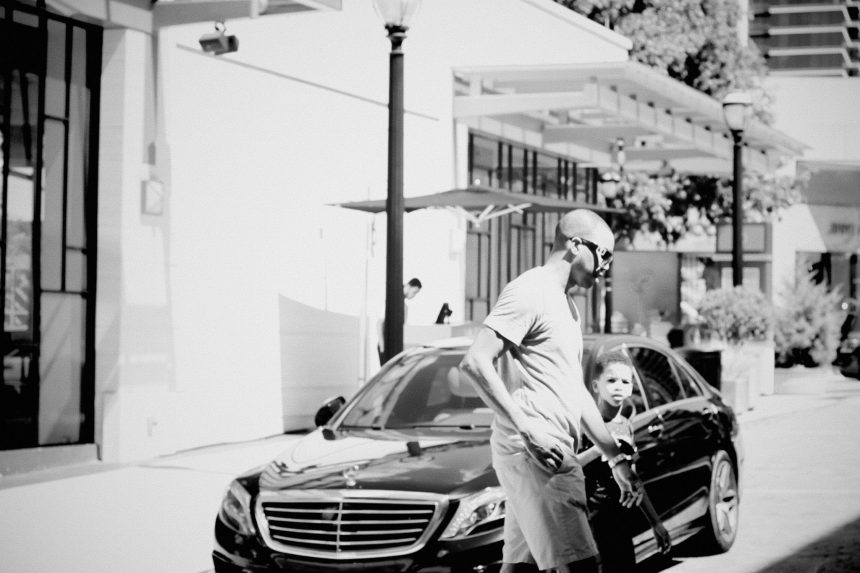
This is the functional case for professional valet parking at corporate and private events. It is not an indulgence. It is a first impression management tool. The moment a guest pulls up and is greeted by a uniformed attendant who handles their vehicle without confusion or delay, the event has already communicated something about itself. A company like GatsbyValet.com has been delivering this kind of experience in Toronto and the GTA since 2004, providing white-glove valet and vehicle management services for corporate events, private functions, hospitality clients, and high-end venues. The operational sophistication behind seamless valet, including staff training, ticketing systems, parking logistics, and real-time traffic management, is invisible to the guest precisely because it has been handled.
Parking chaos, by contrast, is never invisible. Guests who drive in circles looking for a spot, who walk six blocks in the rain, or who miss the first fifteen minutes of an event because they could not find where to leave their car arrive already frustrated. That frustration colors how they experience everything that follows.
The Logistics Guests Don’t See Are the Experience Guests Do Feel
Event planning has a visible layer and an invisible one. The visible layer is the venue, the catering, the entertainment, the decor. The invisible layer is what makes the visible layer possible: the flow of guests through a space, the timing of service, the management of arrivals and departures, the handling of the hundred small contingencies that come up at any live event.
Guests never think about the invisible layer when it is working. They think about it constantly when it is not. An event where movement feels natural, service appears without being summoned, and transitions happen without anyone being herded or confused is one where the invisible layer is doing its job. That requires coordination across every vendor and service provider involved, which is exactly why events that look effortless rarely are.
The discipline required to make logistics invisible is the same discipline required in any area of operations. Define the standard, staff to it, and hold the execution accountable. Bizzabo’s corporate event planning guide frames this well: the most successful enterprise event teams treat events not as one-time productions but as connected experiences where every touchpoint is deliberate. That framing applies equally to a 400-person conference and a 40-person client dinner. Scale changes the complexity, not the principle.
The Atmosphere People Describe Is the Sum of Details They Didn’t Consciously Notice
Ask someone who attended an exceptional event what made it special and they will rarely cite the thing that actually made it special. They will say the energy was right. The vibe was great. It felt luxurious. What they are describing is the cumulative effect of dozens of small decisions, each of which contributed to an atmosphere they experienced holistically rather than analytically.
The lighting was calibrated so that faces looked warm rather than washed out. The music was at a level where conversation was easy. The service staff were attentive without hovering. The arrival was smooth. There was no visible backstage confusion. All of these things, none of which a guest would list unprompted, together create the impression of an event that was in control of itself.
Event Manager Blog’s work on multi-sensory event experiences captures this well. Events that engage guests across multiple senses, through environment, touch, sound, and scent as much as sight, create a denser and more lasting impression. The implication for planners is that the narrower your focus, the more generic the experience. Events that tend only to what is visible and audible leave a significant portion of the experience unaddressed.
Departure Is the Last Chapter and Most Events Don’t Write It
The end of an event is remembered disproportionately. This is not a theory. It is a well-documented feature of how memory works. The quality of an experience’s ending shapes the overall memory of it more than the quality of its middle. An event that delivers an excellent program but ends in a disorganized scramble for coats, cars, and taxis leaves guests with that scramble as their final impression.
Departure management is where most event logistics fall apart, because most of the planning energy has already been spent by the time guests start to leave. The valet retrieval queue backs up. Coat check becomes a bottleneck. The loading area is blocked. Guests who had a genuinely good evening are now standing in the cold, checking their phones, and waiting.
Events that attend to departure as carefully as arrival close on a high note. The vehicle is waiting before the guest reaches the door. The farewell is as considered as the welcome. The last moment reinforces what the first moment established: that this event was run by people who thought about the guest experience all the way through, not just until dinner was served.
What Premium Service Actually Signals
There is a common misconception that premium service is about extravagance. It is not. It is about reliability. A guest at a high-end event does not need anything exotic. They need to know that what is supposed to happen will happen, that their time will not be wasted, and that the people responsible for the event are in control of it. When those things are consistently true, the experience feels premium. When they are not, no amount of floral arrangement compensates.
This is why valet parking, professional coat check, and similar arrival and departure services function as high-leverage investments for events that want to project competence. They are the first and last points of contact with the guest experience, and they are entirely controllable. A venue can have a bad night. A speaker can run long. Weather can be uncooperative. But the arrival and departure can always be executed to standard if the right partners are in place.
Building an Event That Earns Its Reputation
Events earn their reputation in the same way companies do: through the consistency of the experience they deliver. One excellent event builds credibility. A series of excellent events builds expectation. An event program that is known for being well-run, well-attended, and worth showing up for has genuine business value, whether the event is a client appreciation dinner, an annual industry conference, or a product launch.
That reputation is built in the details. In the welcome that starts on the driveway. In the service that flows without instruction. In the farewell that sends guests home with the right final impression. Getting those details right is not complicated. It requires choosing service partners who hold themselves to a standard and being willing to treat the invisible logistics of an event as seriously as the visible program. The events that people talk about are the ones where someone did exactly that.

Lynn Martelli is an editor at Readability. She received her MFA in Creative Writing from Antioch University and has worked as an editor for over 10 years. Lynn has edited a wide variety of books, including fiction, non-fiction, memoirs, and more. In her free time, Lynn enjoys reading, writing, and spending time with her family and friends.