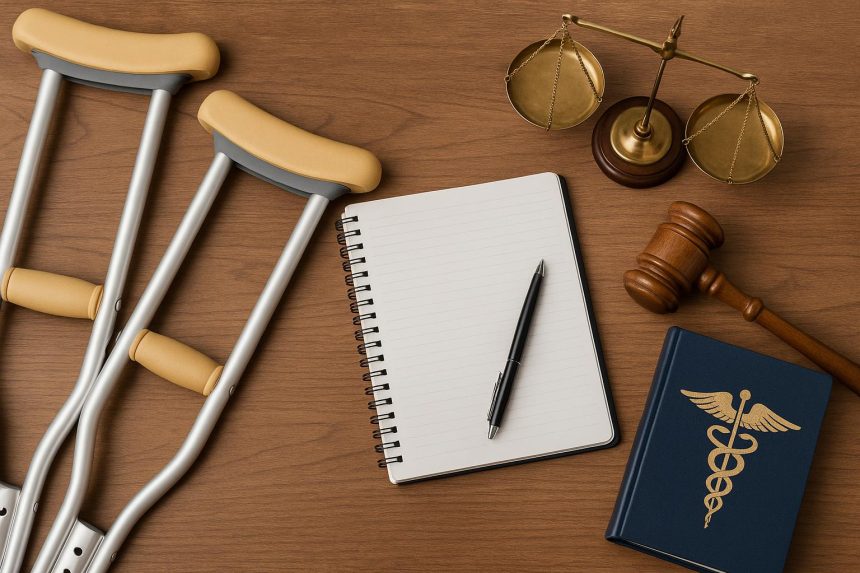
Located between major Connecticut cities, Waterbury experiences steady commuter traffic and daily commercial activity that naturally increase the potential for accidents. Whether injuries occur on the road, at work, or on someone else’s property, the consequences can be significant. According to the U.S. Bureau of Labor Statistics, private employers reported approximately 2.6 million nonfatal workplace injuries and illnesses nationwide, the latest finalized federal data, demonstrating how frequently serious injuries affect American workers and families.
Physical recovery is only one part of moving forward after an accident. Financial losses, ongoing treatment, and insurance issues often require equal attention. Seeking Waterbury accident injury legal representation can help injured individuals understand the legal avenues available as they work toward rebuilding their lives.
Early Legal Direction
Once urgent care is stable, legal guidance can prevent avoidable mistakes with statements, forms, and deadlines. Attorneys may review crash reports, imaging results, therapy notes, wage records, and witness accounts before insurers shape the narrative. In Connecticut, accident injury legal representation can help victims organize proof, evaluate losses, and respond when carriers dispute fault or downplay persistent symptoms.
Medical Care Comes First
Prompt treatment protects both health and the claim record. Physicians can identify fractures, nerve irritation, ligament damage, concussion signs, or internal trauma that may worsen without care. Follow-up visits also show how symptoms progress. Missed appointments may let insurers argue recovery was complete. Patients should keep discharge papers, imaging reports, prescriptions, therapy notes, referrals, and itemized bills.
Evidence Builds Value
A claim gains strength through details gathered before conditions change. Photos, video, witness names, police reports, repair invoices, and incident records can explain cause and severity. Damaged clothing, broken equipment, vehicle data, or fall location measurements may matter. Early collection also reduces memory gaps, which often appear once pain, stress, and daily disruption take over.
Fault Must Be Shown
Compensation usually requires proof that another person or business failed to use reasonable care. Examples include speeding, unsafe flooring, poor lighting, distracted driving, weak staff training, or ignored maintenance duties. Evidence must connect that conduct to the injury. A clear liability theory helps negotiations, as it explains why the responsible party should pay.
Comparative Fault
Some claims involve allegations that the injured person shared blame. That argument can reduce compensation if supported by facts. Careful review helps answer it with photographs, timelines, witness accounts, and medical findings. Statements should remain accurate, brief, and consistent with what the evidence can prove.
Damages Need Detail
Damages include more than bills already received. A complete claim may address treatment costs, lost income, reduced earning capacity, property loss, pain, sleep disruption, anxiety, and limits on daily tasks. Pay records show wage loss. Medical opinions explain future restrictions. Family notes can document missed routines, household strain, and physical limits that charts often summarize too briefly.
Insurers Protect Their Position
Insurance adjusters evaluate claims through company exposure and policy limits. Early offers may arrive before swelling resolves, nerve symptoms stabilize, or surgical opinions are available. Recorded statements, broad medical releases, and casual comments can weaken a case. Careful communication matters most when injuries involve therapy, injections, surgery, future care, or extended work absences.
Settlement Requires Patience
A fair settlement usually comes after medical stability and full record review. Rushing can leave later treatment, wage loss, or permanent impairment unpaid. Waiting without strategy may create deadline problems. Timing depends on recovery progress, available insurance, evidence of fault, and whether the defense accepts the medical and financial proof behind the demand.
Trial Remains an Option
Most injury cases settle, yet trial preparation still shapes value. A case becomes stronger when witnesses are identified, expert opinions are secured, medical proof is organized, and damages are explained plainly. Readiness for court can improve negotiations because the defense sees that a low offer may lead to formal litigation instead of closure.
Families Play a Role
Family members often see changes that medical records miss. They may track transportation needs, household help, mood changes, sleep interruption, missed events, and activity limits. Simple calendars can show pain patterns, appointment dates, medication effects, and work restrictions. These observations help explain human harm, especially when chart notes focus on diagnosis codes and brief progress updates.
Deadlines Cannot Be Ignored
Legal time limits can control whether an injured person may seek compensation at all. Missing a filing deadline can end a valid claim, even when fault appears clear. Notice rules may also apply to public agencies, certain property owners, or employment-related incidents. Early review helps preserve rights before evidence fades, witnesses move, or records become harder to obtain.
Conclusion
Full legal recovery requires steady care, organized proof, and decisions made with the full medical picture in view. Injured people improve their position by getting treatment, preserving evidence, avoiding rushed releases, and documenting every loss. A claim should reflect physical pain, financial strain, reduced mobility, and future care needs. With clear records and informed guidance, victims can pursue compensation that matches the harm caused by careless conduct.

Lynn Martelli is an editor at Readability. She received her MFA in Creative Writing from Antioch University and has worked as an editor for over 10 years. Lynn has edited a wide variety of books, including fiction, non-fiction, memoirs, and more. In her free time, Lynn enjoys reading, writing, and spending time with her family and friends.