For many people, wellness no longer looks the way it once did.
The image of waking up at 5 a.m., following an hour-long morning routine, tracking every meal, and managing a shelf full of supplements has gradually given way to something far more practical. Most people are trying to fit healthier habits into already busy lives. They want more energy to get through the workday, better sleep at night, improved focus when it matters most, and recovery that allows them to keep up with their schedules. The goal is no longer perfection. The goal is sustainability.
That shift is influencing the kinds of wellness products consumers choose and the brands they pay attention to. Increasingly, people are looking for solutions that support specific aspects of daily well-being without adding unnecessary complexity to their routines.
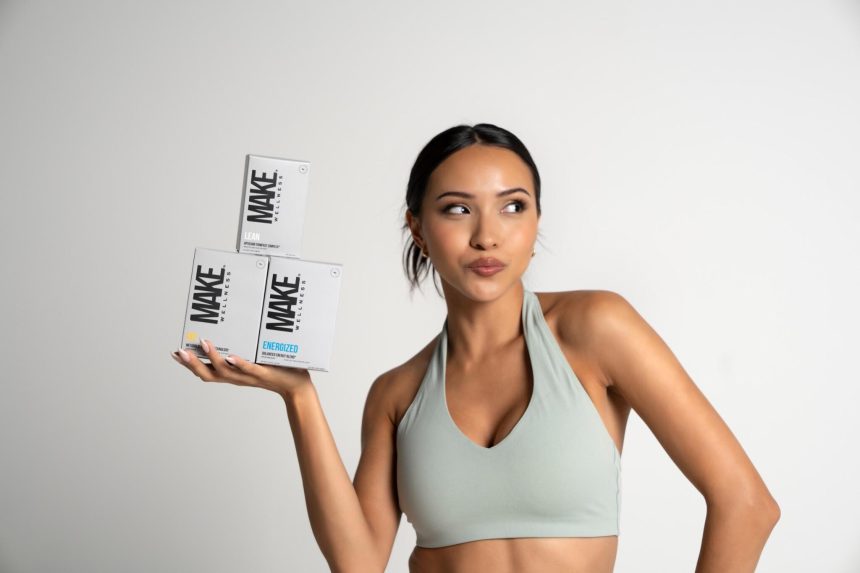
MAKE Wellness has emerged as one company responding to those changing expectations. Through products designed around common wellness priorities such as energy, metabolism, sleep, recovery, focus, and hydration, the brand reflects a growing movement toward wellness that feels more realistic, personalized, and sustainable.
The End of Extreme Wellness
There was a time when wellness often felt like an all-or-nothing commitment. Social media feeds were filled with strict protocols, intensive fitness challenges, and routines that seemed to require endless amounts of time and discipline.
While those approaches continue to appeal to some consumers, many people have begun taking a different path.
Instead of searching for dramatic transformations, they are focusing on habits that can realistically fit into their everyday lives. A consistent sleep schedule may matter more than an occasional wellness retreat. Staying hydrated throughout the day may feel more achievable than following a complicated protocol. Small improvements repeated consistently are becoming a larger part of how people think about health.
This shift has encouraged wellness brands to rethink what consumers actually need. Rather than creating products designed around extremes, many companies are focusing on solutions that support everyday well-being.
Wellness That Fits Real Life
One of the biggest changes within the wellness space is the growing demand for flexibility.
Consumers want products that can support their goals without requiring them to redesign their entire lifestyle. Whether someone is balancing work responsibilities, family commitments, travel schedules, or fitness routines, convenience has become an increasingly important factor in wellness decision-making.
That doesn’t mean consumers care less about health. In many cases, it means they care enough to find approaches they can maintain for the long term.
MAKE Wellness has built its product lineup around this reality. Rather than positioning wellness as something separate from daily life, the company focuses on supporting common areas of well-being that people encounter every day.
Energy, focus, metabolism support, hydration, recovery, and sleep are not niche concerns. They are part of how people experience their daily lives. By developing products around these specific wellness goals, MAKE Wellness aligns itself with a growing preference for practical wellness solutions.
Personal Goals Are Replacing One-Size-Fits-All Approaches
Another trend reshaping consumer behavior is the move toward personalization.
People increasingly recognize that wellness is not the same for everyone. The challenges faced by a busy professional may differ from those of an active parent, an entrepreneur, or someone focused on healthy aging. As a result, consumers are becoming more intentional about selecting products that support their individual priorities.
This shift has changed how wellness brands communicate with their audiences.
Rather than promoting a single solution for everyone, companies are increasingly recognizing that consumers want options tailored to different aspects of their wellness journey. Products designed around specific goals often feel more relevant because they address needs people already understand and experience.
MAKE Wellness reflects this trend through a portfolio designed to support a variety of wellness objectives, allowing consumers to choose products based on what matters most to them.
Why Consistency Is Becoming the New Wellness Standard
The conversation around health has become increasingly centered on consistency rather than intensity.
People are beginning to recognize that sustainable wellness often comes from habits practiced regularly rather than occasional bursts of effort. A product that supports a daily routine may ultimately become more valuable than a solution people struggle to maintain.
This perspective has influenced consumer expectations across nearly every area of wellness.
Consumers want products that feel approachable, routines that feel manageable, and strategies that can realistically become part of everyday life. Wellness is becoming less about doing more and more about doing what works consistently.
For brands operating in the space, this represents an important shift. Success increasingly depends on helping consumers build habits they can maintain rather than encouraging short-term behavior changes.
A New Definition of Wellness
As wellness continues to evolve, consumers appear to be redefining what healthy living actually means.
Instead of pursuing perfection, many are focusing on balance. Instead of chasing every new trend, they are looking for habits and products that support their long-term goals. And instead of viewing wellness as a separate project, they are integrating it into the rhythm of everyday life.
MAKE Wellness has positioned itself within this movement by developing products designed to support daily well-being while embracing a philosophy built around practicality and sustainability.
The future of wellness may not belong to the most extreme routines or the most complicated strategies. It may belong to the approaches people can realistically maintain day after day. As consumer preferences continue to move in that direction, brands that help make wellness feel achievable are likely to remain part of the conversation.

Lynn Martelli is an editor at Readability. She received her MFA in Creative Writing from Antioch University and has worked as an editor for over 10 years. Lynn has edited a wide variety of books, including fiction, non-fiction, memoirs, and more. In her free time, Lynn enjoys reading, writing, and spending time with her family and friends.