The fun soon wears off of a plush toy that’s covered in dust, faded color, or loose stitching. That often occurs because soft collectibles are used daily but not taken care of properly. From sitting on a shelf, to going along with you, to being in your bed all year round, constant exposure to sunlight, dampness, and rough handling can gradually impact the way that your plush looks.
Concurrently, many collectors and fans are reluctant to clean plush toys, fearing that the fabric will be harmed or the design altered. This leads to a buildup of dirt over time, making it increasingly difficult to remove safely.
Fortunately, taking care of a soft toy doesn’t have to be a complex process. With proper care, you can maintain it for years, keeping it soft, clean, and ready to display.
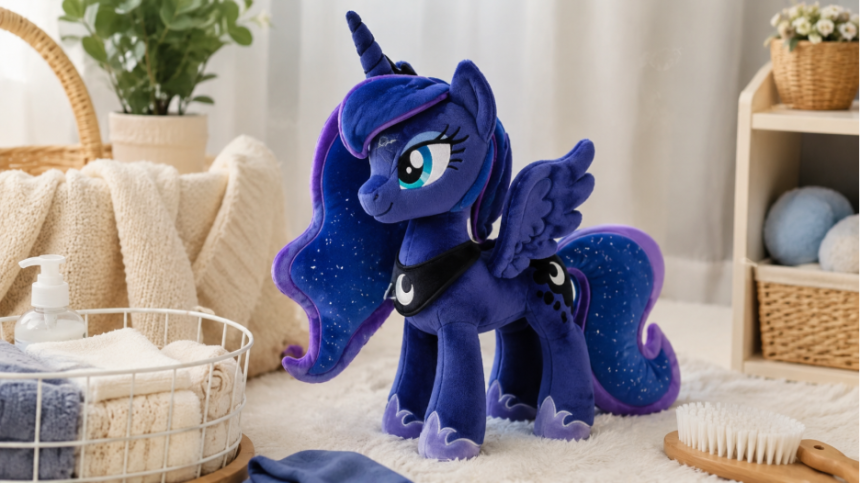
This article explains practical ways to maintain your Princess Luna plush toy without affecting its quality or appearance.
1. Store Your Plush Properly to Prevent Damage
The main concern with having a soft collectible, such as My Little Pony Princess Luna Plush, is proper storage. Even the best quality plush can be damaged by prolonged heat, dust, or moisture. So, the location and placement of your plush will make a difference over time.
First, don’t let your plush sit in front of windows that are often exposed to direct sunlight. Dark colors may fade, and fabric fibers may be damaged with frequent UV exposure. With plush toys, like Princess Luna, which are often rich in blue hues and embroidered details, color preservation is even more important.
Rather, store your pillows in a cool, dry location where they will receive indirect sunlight. When hanging collectibles on shelves, rotate them occasionally so that one side does not get all the exposure to the environment.
Also, do not overstuff soft toys together. Although stacking can save space, it can also have the effect of flattening out stuffing and curving decorative items. Allowing your plush sufficient space helps it retain its natural form.
2. Clean Surface Dirt Before It Builds Up
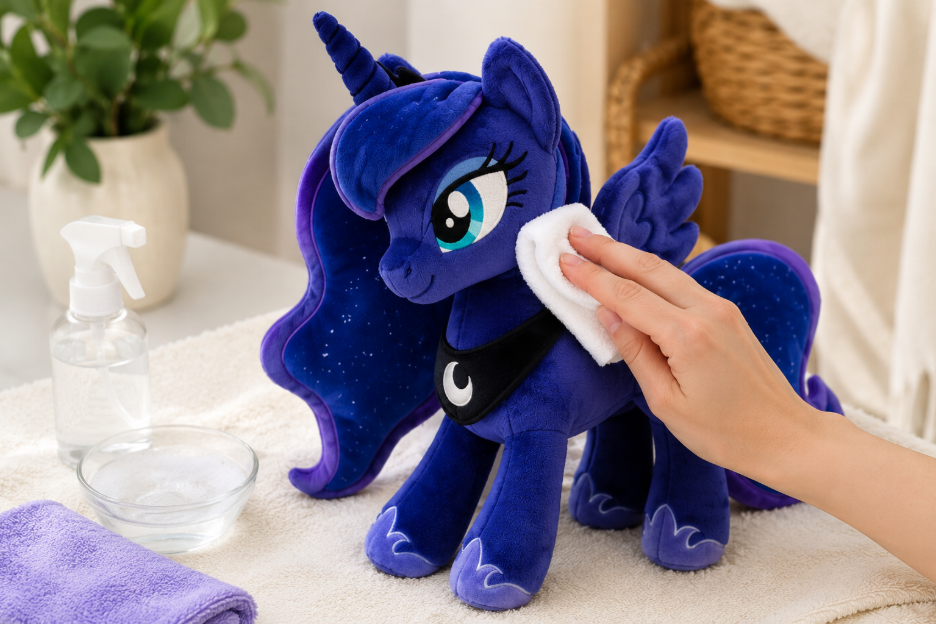
Many pet owners don’t clean their plush until it appears soiled. By that time, however, particles of dust and oils are likely to be in the deepest layers of the fabric. Regular light cleaning is much more effective as it will not allow the buildup to become permanent.
Simple surface maintenance can be done once every few weeks, to begin. A lint roller helps to clean the dust, hair, and little bits of debris without damaging soft materials. Similarly, a microfiber cloth gently brushed over the plush helps to keep the finish clean.
Spot cleaning is typically the safest solution to use for areas of minor staining. Gently rub a piece of soft cloth in lukewarm water containing a small amount of mild detergent. Then lightly pat instead of rubbing the affected area. Excessive friction may damage embroidery or affect the texture of minky fabric.
Once cleaned, let the plush dry out naturally. Do not dry using excessive heat, as this can cause stuffing to become misshapen and stitching to be compromised. Even hair dryers should be used with care and on cooler settings if necessary.
3. Handle Your Plush Gently During Daily Use
Even tougher plush toys can wear out if played with daily. Over time, the pulling of limbs, squeezing too tightly, or carrying a plush by the smaller decorative elements can gradually compromise seams. Thus, gentle handling should be an ingrained habit.
This is particularly crucial for collectible plush designs that feature embroidered elements, shaped accessories, or multiple layers. Though these details add beauty to the look, they need additional care when using them.
While carrying your plush, grasp the body and not the ears, tail, or decorative parts. This will help with the even application of pressure and avoid any chance of tearing.
Similarly, if younger children play with the plush on a regular basis, then an occasional check of the seams is helpful. Catching loose threads early prevents larger stitching issues later. A rapid repair will often prevent further damage in many cases.
Avoid eating or drinking near soft toys as much as possible. Food particles and stains from liquids can get into the fabric easily, particularly in lighter areas. When stains are absorbed into plush fibers, they are harder to remove.
4. Maintain Shape and Fabric Quality Over Time
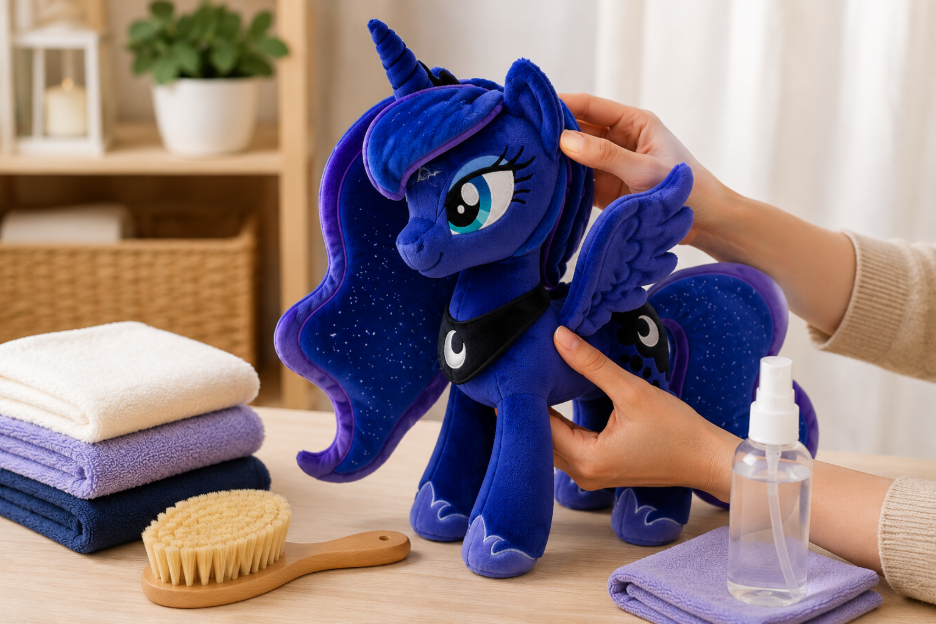
One of the biggest concerns with plush collectibles is losing their original shape. Over time, constant pressure can flatten stuffing, bend limbs, or create uneven areas. Fortunately, there are several simple ways to maintain structure and fabric quality.
First, fluff your plush occasionally by gently reshaping the stuffing with your hands. This helps redistribute filling evenly and prevents compressed areas from becoming permanent.
Additionally, avoid placing heavy objects on top of plush toys during storage. Even soft items can gradually flatten the material if left pressed down for weeks or months.
Fabric care matters just as much as shape preservation. For example, brushing plush fabric lightly with a soft-bristle brush can help restore smooth texture after cleaning. This technique also prevents fibers from clumping together.
Final Thoughts
A Princess Luna plush toy can remain soft, vibrant, and visually appealing for years when cared for properly. Simple habits like careful storage, gentle cleaning, mindful handling, and shape maintenance all contribute to preserving its condition over time.
At the same time, plush care does not need to feel complicated or time-consuming. Short, consistent maintenance routines often prevent the larger problems that develop from neglect.
Whether your plush is part of a growing collection or simply a favorite comfort item, thoughtful care helps protect both its appearance and long-term value.

Lynn Martelli is an editor at Readability. She received her MFA in Creative Writing from Antioch University and has worked as an editor for over 10 years. Lynn has edited a wide variety of books, including fiction, non-fiction, memoirs, and more. In her free time, Lynn enjoys reading, writing, and spending time with her family and friends.